

Blackout Brief Daily | March 19, 2026
Five Things That Matter Today
• The Pentagon has asked the White House to back a request for more than $200 billion for the Iran war, and Congress is already showing resistance after being told the first six days alone cost more than $11 billion. 1
• Iran says it hit an American F-35. The United States is not confirming a shootdown, but it is confirming that an F-35 made an emergency landing after a combat mission and that officials believe the aircraft may have been hit by Iran. 2
• Iran’s attacks on Gulf energy infrastructure have turned the war into a direct cost-of-living story, with U.S. gas prices surging and global fuel markets convulsing. 3
• The Trump administration is moving defaulted student loan collection to Treasury while dismantling the Education Department, a shift with especially sharp implications for Black borrowers, who borrow more, owe more, and face higher delinquency risk. 4
• While national desks stayed locked on missiles, oil, and war appropriations, local and specialty reporting surfaced a different emergency file: Texas began enforcing its anti-drag law, ICE tried routing African asylum seekers to Uganda, and a historic Black community in East Towson won a halt to development after permit violations were found. 5
If this briefing helps you see what the national headlines miss, restack it so someone else can see it too.
And if you want to help keep this kind of digging going, you can go paid
or leave a one-time tip
Reporting window: March 17, 2026, 6:14 p.m. ET to March 19, 2026, 6:14 p.m. ET
The news hierarchy audit in this window was blunt. Major national coverage was dominated by Iran war escalation, the Pentagon’s massive new funding request, the possibility of new U.S. troop deployments, a damaged F-35, and the fuel shock now hitting households. Domestic governance broke through mainly when it touched a giant federal system, such as Treasury taking over defaulted student loans while the Education Department is being hollowed out. 6
But when the scan moved to Black press, local public radio, nonprofit statehouse reporting, disability reporting, immigration reporting, and LGBTQ coverage, a different country came into view. Texas began enforcing its drag ban. ICE attorneys in New York sought to send African asylum seekers to Uganda, even when Uganda is not their country of origin. DHS data showed hundreds of pregnant, postpartum, and nursing immigrants detained or deported. And East Towson residents forced a stop to development after Maryland found permit violations in a historic Black community’s wetland fight. 5
That is the pattern today. National headlines told readers to watch the bombers, the barrels, and the budget math. The buried file showed where power lands on the body: on queer performance, on immigrant pregnancy, on courtroom access, on prison visitation, on trans privacy, on Black infant health, and on whether a historic Black neighborhood gets flooded in the name of development. I did not recycle prior XVOA Blackout Brief items unless the last 48 hours produced material new facts. In the Iran file, they did. 5
Top Breaking National Stories
1. Pentagon Seeks More Than $200 Billion for Iran War as Congress Balks
Reported (ET): March 18, 2026, 7:12 p.m. ET; updated March 19, 2026, 3:31 p.m. ET
Summary
The Pentagon asked the White House to approve a request for more than $200 billion in additional funding for the Iran war. By Thursday, Reuters reported the request was already running into resistance on Capitol Hill, including from some Republicans, after lawmakers were told the first six days of the war had already cost more than $11 billion. Defense Secretary Pete Hegseth defended the spending push by saying, in effect, that war costs money and more may be needed. Congress had already approved record military funding before this request arrived, which means this is not a first ask but an escalation ask. This is one of the clearest material updates in the Iran story, which is why it belongs back at the top of the brief. 1
Why It Matters
War finance is domestic policy with a helmet on. A government that can move at speed for another $200 billion in war spending while cutting social services is telling you, in budget form, what it values and what it thinks can wait. 6
Who Is Affected
Service members and civilians in the war zone face the immediate danger, but the political cost is broader. If this request hardens into law, working households, public services, and already squeezed domestic programs will be fighting for oxygen inside a government that keeps expanding the war ledger. That is not abstract. Reuters reported Democrats were already tying the request to recent cuts in social services and foreign aid. 6
What Mainstream Missed
A lot of national coverage treated this as one more war escalation beat. The deeper story is that Washington moved faster to price a larger war than to restore systems already being cut at home. The funding request is not only about Iran. It is also a document of governing priorities. 1
Sources
Reuters — “Pentagon seeks more than $200 billion in budget request for Iran war, Washington Post reports.” Original reporting that the Pentagon asked the White House to back a request above $200 billion. 1
Reuters — “Huge Trump Iran war funding request faces stiff opposition in Congress.” Reporting on congressional resistance, first-week war costs, and Hegseth’s defense of the request. 6
AP News — “Netanyahu says Iran can no longer enrich uranium.” Broad war update that also confirmed the Pentagon request had reached the White House amid escalating costs. 7
2. Iran Claims It Downed an F-35; the U.S. Confirms a Damaged Jet and Emergency Landing
Reported (ET): March 19, 2026, 8:41 a.m. ET
Summary
Iranian state television said the country’s air defenses hit an American F-35. The United States did not confirm a shootdown, but it did confirm that an F-35 made an emergency landing after a combat mission over Iran and that the pilot was stable. Reuters reported that a U.S. official said it appeared the aircraft had been hit by Iran, though the matter remained under investigation. That distinction matters. The honest frame is not “confirmed shootdown,” but neither is it “nothing happened.” A U.S. stealth fighter was damaged badly enough to require a public emergency-landing acknowledgment in the middle of a war. 2
Why It Matters
Even without a confirmed crash, the incident punctures the fantasy of a frictionless air campaign. If Iranian fire can damage a fifth-generation U.S. aircraft during combat operations, the risk profile of this war changes politically, militarily, and financially. 2
Who Is Affected
Pilots and flight crews are the first line of exposure, but this kind of incident also affects every household being sold the idea of a clean, contained war. A damaged F-35 points toward a conflict that may be longer, costlier, and less one-sided than its architects want to admit. 2
What Mainstream Missed
Too much of the early framing drifted toward scoreboard chatter. The more consequential point is that the U.S. military itself publicly acknowledged an incident serious enough to confirm an emergency landing while an investigation into apparent Iranian damage is underway. That is a real escalation marker. 2
Sources
Reuters — “US objectives in Iran have not changed, Hegseth says.” Includes the Pentagon acknowledgment that an F-35 made an emergency landing and that a U.S. official believed the jet may have been hit by Iran. 2
AP News — “Netanyahu says Iran can no longer enrich uranium.” Reports Iran’s claim that it hit an F-35 and CENTCOM’s confirmation of the emergency landing and investigation. 7
3. Iran’s Attacks on Gulf Energy Sites Turn the War Into a Household Cost Crisis
Reported (ET): March 19, 2026
Summary
AP reported Thursday that Iran intensified attacks on oil and natural gas facilities around the Gulf, sending fuel markets higher and raising the economic stakes of the war. The wire said Brent crude briefly rose above $119 a barrel and that European benchmark natural gas prices had roughly doubled over the past month. In the United States, AP reported the national average price of regular gasoline had climbed above $3.84 a gallon, up sharply from prewar levels. Reuters separately reported sharp rises in natural gas prices after damage to Qatar’s LNG infrastructure and record highs for oil and fuel cargoes following regional strikes. This is no longer just a foreign desk story. It is now a grocery, commute, rent, and inflation story too. 7
Why It Matters
Once war starts moving fuel prices, it moves the whole cost structure of daily life. Transportation, shipping, utility bills, and inflation expectations all start carrying the war’s signature, even for people who never asked for it. 3
Who Is Affected
Commuters, delivery drivers, small businesses, and households already living under cost-of-living strain will feel this first. AP’s own reporting made clear that higher prices help producers while consumers absorb the pain. 3
What Mainstream Missed
A lot of energy coverage still talks like this is a market volatility story. It is really a distribution story. The question is not only what crude did today. The question is who gets richer, who gets squeezed, and how quickly the war shows up in the price of ordinary survival. 3
Sources
AP News — “Netanyahu says Iran can no longer enrich uranium.” Broad war update detailing Iranian attacks on Gulf energy infrastructure and the resulting market shock. 7
AP News — “US drivers see gas prices jump to their highest level since 2023 as the Iran war drags on.” Reported how the war is already pushing U.S. gasoline prices to a two-and-a-half-year high. 3
Reuters — Search results on natural gas and fuel-price spikes. Reporting on the surge in LNG and cargo prices after damage to Gulf energy infrastructure. 8
4. White House Weighs New Troop Deployments and Ground Missions Even as Public Support Stays Weak
Reported (ET): March 18, 2026, 7:47 p.m. ET
Summary
Reuters reported late Wednesday that the Trump administration is considering deploying thousands of additional U.S. troops to reinforce operations related to the Iran war. Options under discussion reportedly include securing passage through the Strait of Hormuz, protecting or controlling Kharg Island, and potentially deploying ground forces to Iran’s shoreline. The same reporting made clear those options would carry major risk and political blowback. On Thursday, Trump said he was not putting troops “anywhere,” while also making clear he would not telegraph future plans. A separate Reuters/Ipsos poll found Americans think Trump is likely to send ground troops and do not support a large-scale ground war. 9
Why It Matters
Once ground-force options enter the room, the nature of the conflict changes. An air and naval campaign can be sold as limited. Ground missions begin to sound like occupation logic, no matter how carefully the briefers phrase it. 9
Who Is Affected
Active-duty troops, reservists, military families, and civilians in the region would absorb the earliest harm. The broader public would absorb the political and fiscal fallout of a conflict expanding against weak public support. 9
What Mainstream Missed
Too much of the coverage sits between hawkish scenario-planning and White House message management. What gets lost is the consent question. Officials are discussing missions with huge downside even as the public shows little appetite for a larger war. 9
Sources
Reuters — “Exclusive: US weighs military reinforcements as Iran war enters possible new phase.” Reporting on troop options, Hormuz security missions, and discussions around Kharg Island. 9
Reuters — “US objectives in Iran have not changed, Hegseth says.” Follow-up confirming the White House and Pentagon were managing fallout from reports of possible reinforcement. 2
Reuters/Ipsos poll search result — Polling indicating Americans expect Trump to send troops but do not support a large ground war. 10
5. Treasury Begins Taking Over Defaulted Student Loans as the Education Department Is Dismantled
Reported (ET): March 19, 2026, 5:52 p.m. ET
Summary
Reuters reported Thursday that the Education Department is handing responsibility for collecting defaulted federal student loan debt to the Treasury Department. The same report said the federal portfolio stands near $1.7 trillion, with less than 40% of borrowers in repayment and nearly 25% in default. AP separately reported that Treasury will initially take over about $180 billion in defaulted loans affecting about 9.2 million Americans, putting many borrowers at risk of wage garnishment and Social Security withholding. This is happening as the administration continues trying to dismantle the Education Department. Black borrowers enter this shift from a weaker position because they are more likely to borrow, to owe more, and to experience delinquency or default. 4
Why It Matters
This is not a neutral bureaucratic shuffle. It is the federal government sharpening its collection machinery while weakening the department historically responsible for student aid oversight and civil-rights enforcement in education. 4
Who Is Affected
Borrowers in default are at immediate risk, but the burden will not fall evenly. Education Trust and The Century Foundation have documented that Black borrowers borrow more, hold larger balances, and face steeper delinquency pressure, which means this handoff lands hardest on people already carrying unequal debt risk. 11
What Mainstream Missed
Mainstream coverage has tended to frame this as agency restructuring. The more honest frame is collections. For millions of people, the question is not which department handles the file. It is whether the government is preparing to come for wages, tax refunds, and retirement income more aggressively than before. 4
Sources
Reuters — “Trump administration moving federal student loan management to Treasury Department.” Original reporting on the interagency handoff, repayment status, and the broader dismantling of Education. 4
AP News — “Treasury Department to take over some student loans.” Reporting on the size of the defaulted portfolio and the number of borrowers in default. 12
Education Trust / The Century Foundation — Reporting on Black borrowing disparities and elevated delinquency risk. Context for who gets hit hardest by a harder collections regime. 11
Stories Buried Beneath the National Headlines
6. Texas Begins Enforcing Its Anti-Drag Law
Reported (ET): March 18, 2026, 1:18 p.m. ET
Summary
Texas began enforcing Senate Bill 12 on Wednesday after a lengthy court fight. KUT and KERA reported that the law restricts some “sexually oriented” performances in public spaces or in front of children, and that it is now in force while the lawsuit against it continues. Penalties can reach a year in jail and a $2,000 fine for performers, while venues can face fines up to $10,000. The ACLU of Texas says the law is unconstitutionally vague and warns it can chill much more than drag, including broader performing arts activity. KUT also reported that businesses were already canceling events out of fear of violating the law. 5
Why It Matters
This is what culture-war governance looks like when it leaves cable news and enters the statute book. A state uses the language of child protection to widen surveillance over queer public culture and to make risk itself a weapon. 5
Who Is Affected
Drag performers, venue owners, queer youth, and the broader Texas arts community are all exposed. The ACLU’s filing also warns that Black and Brown Texans, including Black trans women, face disproportionate harm when vague morality policing becomes discretionary enforcement. 13
What Mainstream Missed
While KUT, KERA, and the ACLU tracked the law’s immediate enforcement, the dominant national story mix stayed fixed on Iran escalation, Pentagon funding, troop options, and fuel prices. This belongs in the buried file because local and specialty outlets drove the reporting first, and because the concrete consequences for queer and trans Texans were largely flattened beneath louder national narratives. 5
Sources
KUT/KERA — “Texas can enforce drag ban starting Wednesday amid ongoing lawsuit.” Local reporting on the law taking effect, penalties, and the chilling effect on venues. 5
ACLU of Texas — “S.B. 12 (Drag Ban) Factsheet.” Legal and civil-rights breakdown of the law’s scope, vagueness, and penalties. 13
Austin Chronicle / Laredo Morning Times search results — Additional local coverage showing community concern and enforcement fallout. 14
7. ICE Is Trying to Send African Asylum Seekers in New York to Uganda
Reported (ET): March 18, 2026
Summary
New York Focus reported that, over the last three months, ICE attorneys in New York have petitioned to send half of the African asylum seekers who had immigration hearings to Uganda. The outlet documented at least one man ordered removed to Uganda even though he had never been there. The story is not about ordinary deportation to a country of nationality. It is about third-country routing, where people can be expelled to a state they are not from under opaque bilateral arrangements. That move pulls deportation farther away from public scrutiny and farther away from anything resembling moral common sense. 15
Why It Matters
This is immigration policy as outsourcing. It turns Black migrants into movable pieces inside a transnational enforcement deal that most Americans have never heard of and were never asked to debate. 15
Who Is Affected
African asylum seekers face the most immediate danger, but so do mixed-status families and U.S.-citizen children connected to those cases. New York Focus reported on exactly that kind of family exposure. 15
What Mainstream Missed
This story was advanced by nonprofit state reporting, not by the big national desks. It belongs in the buried file because specialty immigration reporting carried it first, and because the racialized consequences for Black migrants were barely visible while national attention remained fixed on war, appropriations, and oil. 15
Sources
New York Focus — “ICE Is Trying to Send Hundreds of New York’s African Asylum Seekers to a Country They’re Not From.” Original nonprofit state reporting on the Uganda removal push. 15
Immigration Policy Tracking — Reporting on the U.S.-Uganda deportation arrangement that provides the policy background for such removals. 16
New York Focus search results — Additional summary reporting reinforcing the scale and focus of the policy. 15
8. DHS Data Show Hundreds of Pregnant, Postpartum, and Nursing Immigrants Detained or Deported
Reported (ET): March 18, 2026, 2:50 p.m. ET
Summary
Government Executive, reprinting reporting from The 19th, reported that DHS confirmed hundreds of pregnant, postpartum, and nursing immigrants have been detained and deported since the start of the Trump administration. The figures included 363 deported between January 1, 2025, and February 16, 2026, plus 498 people “booked out” of ICE detention during that period. Sen. Patty Murray said DHS’s response also showed 121 pregnant, postpartum, or nursing women detained and recorded 16 miscarriages in that span. Federal policy says such people should be detained only in limited circumstances. The gap between that policy and this reality is the story. 17
Why It Matters
Immigration enforcement is colliding here with maternal health, bodily autonomy, and basic medical ethics. A detention policy that treats pregnancy as a paperwork detail is a policy that has already decided whose vulnerability counts and whose does not. 17
Who Is Affected
Pregnant immigrants, postpartum mothers, nursing parents, newborns, and the families trying to care for them are all in the blast radius. This is also a hospital and local-health-system story, because detention and deportation shift risk onto emergency care settings and loved ones. 17
What Mainstream Missed
The update moved through specialty reporting and congressional oversight rather than dominating national front pages. It belongs in the buried file because the reporting came first from a women-centered newsroom and Senate oversight materials, and because the reproductive-health consequences of immigration enforcement were largely swallowed by louder narratives about raids and political theater. 17
Sources
Government Executive / The 19th — “ICE enforcement practices raise questions about oversight of pregnant and postpartum detainees.” Original reporting on DHS’s newly confirmed figures. 17
Sen. Patty Murray — “Murray Blasts Inadequate DHS Response to Oversight Letter on Pregnant Women in ICE Detention.” Senate release summarizing the confirmed detention, deportation, and miscarriage data. 18
Physicians for Human Rights / Women’s Refugee Commission report — Background on medical and human-rights concerns around pregnancy in immigration detention. 19
9. Abortion Bans Are Now Showing Up in Higher Preterm Birth Rates for Black Women
Reported (ET): March 18, 2026
Summary
Stateline reported new research showing abortion bans are associated with increased preterm births, especially among Black women in states with bans. The PubMed record for the study says non-Hispanic Black women in ban states saw a 3.5% increase in birth rates and a 2.1% increase in preterm birth above what would have been expected without a ban. The effect also appeared in analyses limited to Medicaid-covered births. This is not merely a rights story. It is a measurable birth-outcomes story. Public policy is showing up in the NICU ledger. 20
Why It Matters
The old dodge was to talk about abortion bans as if they ended at the clinic door. They do not. They travel forward into pregnancy risk, infant health, family stress, and already stratified maternal care systems. 21
Who Is Affected
Black women in ban states, especially those covered by Medicaid, face the clearest documented harm in this new reporting. Premature infants and their families bear the downstream cost in hospital stays, health risk, and financial strain. 21
What Mainstream Missed
Despite the obvious stakes for Black women and newborns, this update arrived through state-policy reporting and research circulation rather than national front-page treatment. It belongs in the buried file because the racial consequences were central to the evidence but peripheral to the broader national abortion conversation. 20
Sources
Stateline — Search result summary of new reporting on abortion bans and rising preterm births among Black women. 20
PubMed — “Changes in Frequency and Health of Live Births Following State Abortion Bans.” Research abstract documenting increased birth and preterm birth rates among non-Hispanic Black women in ban states. 21
AJPH / related research references — Supporting public-health context on birth outcomes following abortion bans. 22
10. Disability Advocates Say the Medicare and Medicaid Fraud Crackdown Is Becoming a Cut Machine
Reported (ET): March 18, 2026
Summary
STAT reported that disability advocates see the administration’s new anti-fraud push in Medicare and Medicaid as a pretext for cutting essential care. CMS head Mehmet Oz has become the public face of the crackdown, while the administration has expanded fraud probes and public messaging around “crushing” abuse. STAT reported that CMS threatened to withhold roughly $2 billion tied to Minnesota Medicaid services and that advocates fear this comes on top of last year’s tax bill cutting Medicaid funding by $1 trillion over ten years. The reporting makes clear that what is at stake is not only fraud enforcement, but home care, wheelchairs, autism therapy, nonemergency transportation, and other services that keep disabled people alive and out of institutions. When fraud rhetoric becomes broad enough, it starts operating like a blade. 23
Why It Matters
“Waste, fraud, and abuse” is one of Washington’s favorite euphemisms because it sounds neutral while clearing space for retrenchment. In disability life, those cuts are not abstract budget trims. They are missed rides, lost aides, interrupted care, and preventable crises. 23
Who Is Affected
Disabled adults and children on Medicaid, their caregivers, and the low-income households organizing daily life around home- and community-based services are directly affected. More than a quarter of Americans have a disability, and many rely on the very supports CMS is now treating as suspect terrain. 23
What Mainstream Missed
National politics coverage heard the anti-fraud slogan. Disability reporting followed the money into the service lines that may disappear. This belongs in the buried file because specialty reporting carried the real consequences first, and because the lived meaning of benefit crackdowns almost never leads the national political story. 23
Sources
STAT — “As Trump administration cracks down on health care fraud, people with disabilities feel singled out.” Original disability-policy reporting on how the crackdown threatens services. 23
Search reporting on Minnesota Medicaid funds in limbo — Supplemental evidence of the state-level fallout from the fraud push. 24
Disability-rights advocacy reporting — Additional context on how fraud narratives can restrict home- and community-based services. 25
11. East Towson Residents Win a Halt to Development After Maryland Finds Permit Violations
Reported (ET): March 19, 2026
Summary
AFRO reported that construction at East Towson’s Red Maple Place development was halted after the Maryland Department of the Environment found violations of state permit requirements. East Towson is a historic community founded in the 1850s by formerly enslaved people from the Ridgely Estate. Residents say the 56-unit project threatens the neighborhood’s last forest and wetlands and could worsen flooding. AFRO reported that MDE documented site clearing without required stormwater permits, no stormwater pollution prevention plan on site, no inspections conducted or recorded, and no required public permit notice. State Sen. Mary Washington explicitly described East Towson as a historically African American community that has long borne disproportionate development burdens. 26
Why It Matters
This is what environmental justice looks like before the disaster footage. It is not only about a wetland buffer. It is about whose neighborhood absorbs risk so development can keep moving elsewhere. 26
Who Is Affected
East Towson residents, nearby property owners, and the historic Black community fighting to preserve remaining tree cover and flood protection are directly affected. So are downstream communities if runoff and buffer failures worsen. 26
What Mainstream Missed
Black press and local reporting moved this story. National housing coverage almost never notices a permit fight in a historic Black neighborhood until displacement or environmental damage is too advanced to reverse. This belongs in the buried file because local and Black outlets drove it first, and because the racial, historical, and environmental stakes were missing from the national housing frame. 26
Sources
AFRO — “Historic East Towson of Baltimore County residents fight to protect last remaining wetlands.” Black press reporting on the permit violations, flood concerns, and neighborhood history. 26
AFRO — Additional details from the same report documenting MDE’s listed violations and residents’ notice concerns. 26
WYPR / state-document search results — Supplemental local context on the project and surrounding permitting battle. 27
12. Massachusetts Moves to Bar Warrantless Civil ICE Arrests in Courthouses
Reported (ET): March 18, 2026
Summary
WBUR reported that Massachusetts lawmakers are coalescing around legislation to bar warrantless civil immigration arrests at courthouses and other sensitive spaces. The push involves both Gov. Maura Healey and the Black and Latino Legislative Caucus. WBUR reported lawmakers arguing that fear of civil immigration arrests chills crime reporting, attendance at court proceedings, and access to justice. The proposed restriction would still allow such arrests where there is a judicial warrant or a judge-signed court order. This is not a symbolic debate. It is a direct fight over whether the justice system can function when people are afraid to show up. 28
Why It Matters
If immigrants fear being seized on the way to court, then court stops being a place of redress and becomes another arm of the dragnet. That weakens due process for everyone, not only for the person targeted by ICE. 28
Who Is Affected
Immigrants, witnesses, crime victims, family members, and whole communities that depend on courts to resolve disputes or seek protection are affected. The caucus itself framed the issue as one that particularly harms Black and Latino communities. 28
What Mainstream Missed
Local public radio and statehouse reporting are carrying this debate. National immigration coverage tends to track raids as spectacle, but not the quieter structural question of whether people can still go to court safely. This belongs in the buried file because local reporting moved it first and because the access-to-justice consequences were not leading the national conversation. 28
Sources
WBUR — “Massachusetts lawmakers rally around ban on warrantless civil immigration arrests.” Local reporting on the legislation and its due-process rationale. 28
GBH / search reporting — Additional reporting that ICE made hundreds of courthouse arrests in Massachusetts in 2025. 29
WBUR related reporting — Background on federal immigration agents appearing in local courthouses. 28
13. New York Moves to Stop Prisons From Using Faulty Body Scanners to Keep Families Apart
Reported (ET): March 19, 2026
Summary
New York Focus reported that a new bill would stop prisons from turning away visitors based on faulty body-scanner readings that have mistaken menstrual products, contraceptive devices, and other items for contraband. The bill follows prior reporting showing how visitors have lost contact visits because prison staff misread scans. LegiScan’s bill text shows the proposal would require alternative search methods, immediate second-level review, written notice to visitors, appeal rights, staff discipline for repeated wrongful denials, and detailed reporting requirements. It also explicitly protects visitors whose scans reflect menstrual products, contraceptive devices, medical implants, or religious items. This is the carceral state spilling punishment outward onto families and then pretending the machine is neutral. 30
Why It Matters
Prison visitation is not a side issue. It is one of the few remaining human bridges between incarcerated people and the outside world. When faulty technology starts deciding who can hug a loved one, the punishment expands beyond the sentence. 30
Who Is Affected
Visitors, especially women carrying menstrual or contraceptive products, are directly affected. So are incarcerated people whose access to family contact can be restricted by scanner mistakes and staff discretion. 30
What Mainstream Missed
This story traveled through nonprofit state reporting and bill text, not through the national crime-and-justice megaphone. It belongs in the buried file because specialized reporting carried it first, and because the gendered, family-separation consequences of prison technology rarely get framed as a public issue. 30
Sources
New York Focus — “Bill Seeks to Prevent Prisons From Turning Away Visitors After Scanners Pick Up Their Tampons.” Original reporting on the bill and the visitation problem it targets. 30
LegiScan — New York Senate Bill 9467 text. Bill language on alternative searches, notice, appeals, discipline, and data reporting. 31
New York Focus — Additional note that the bill followed prior reporting on mistaken readings of menstrual and contraceptive products. 30
14. Saratoga Judge Repeatedly Refused to Seal Trans Name-Change Records. The Appeals Court Reversed Him Again.
Reported (ET): March 18, 2026
Summary
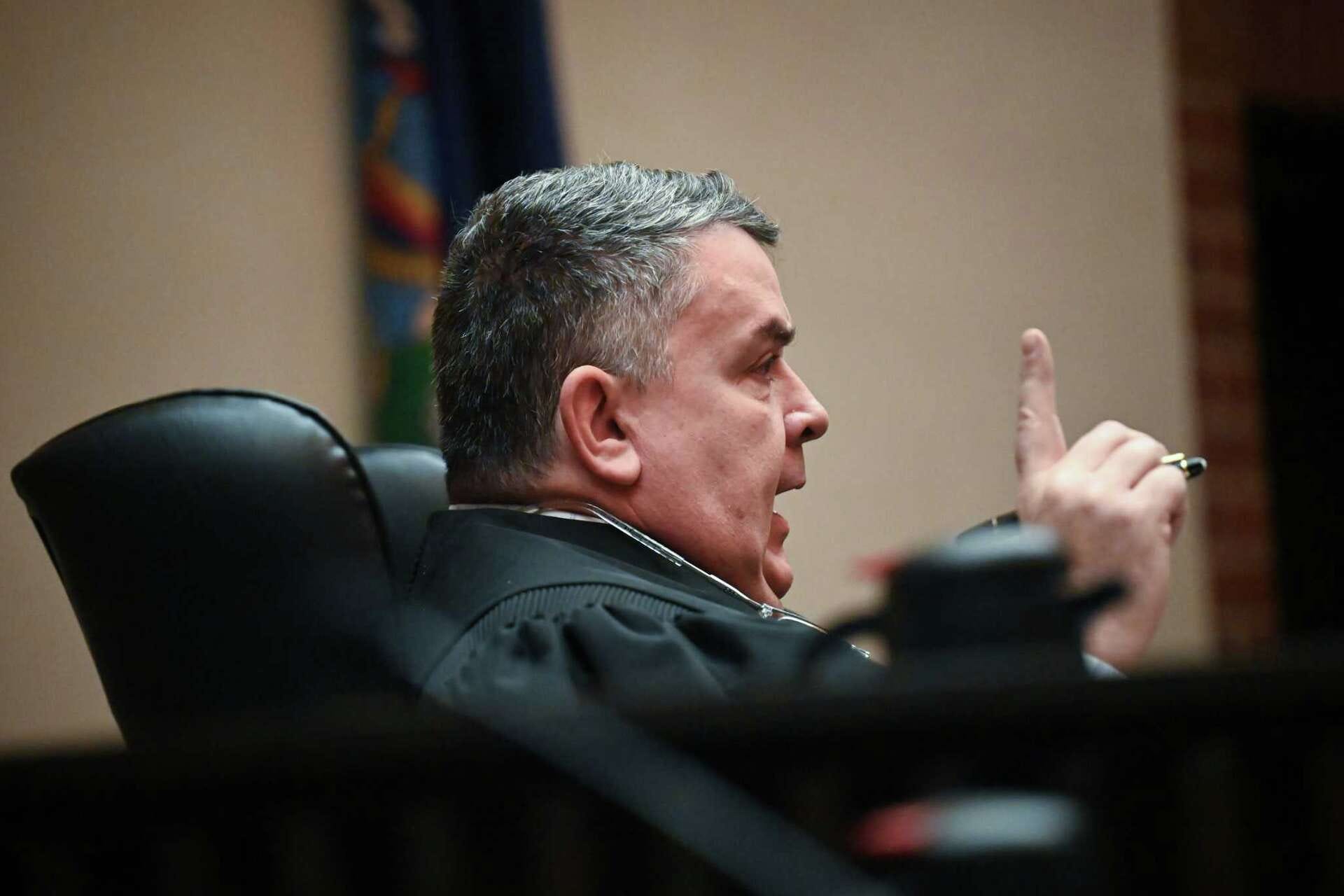
The Times Union reported that Saratoga County Supreme Court Justice James Walsh repeatedly denied requests to seal the records of transgender people changing their names. The paper said at least five of those decisions were overturned by the appellate court in the last two years. In the most recent case, the Third Department held that a transgender petitioner’s records should have been sealed because public exposure could increase the risk of hate crimes, harassment, and discrimination. The appellate digest on the case states plainly that courts must focus on potential harm to the applicant rather than abstract “public interest concerns.” This is a reminder that bureaucratic exposure is not clerical. It can be dangerous. 32
Why It Matters
Anti-trans politics is not only made in legislatures. It also gets enforced through small judicial choices about paperwork, visibility, and whose fear is treated as credible. When courts deny sealing where law contemplates protection, they help manufacture vulnerability. 32
Who Is Affected
Trans New Yorkers seeking legal name changes are directly affected, especially those living in hostile work, family, or community environments. The risk is not theoretical. The appellate court specifically cited exposure to hate crimes, harassment, and discrimination. 33
What Mainstream Missed
This story moved through local reporting and legal-digest coverage rather than through the national anti-trans news cycle. It belongs in the buried file because it reveals a recurring court-level pattern and because national coverage often misses the mundane procedural mechanisms by which trans people are exposed to harm. 32
Sources
Times Union — “In Saratoga County, a Supreme Court justice repeatedly refused to seal transgender name changes.” Local reporting on the repeated denials and reversals. 32
New York Appellate Digest — Summary of the Third Department’s ruling explaining why the sealing request should have been granted. 33
The Advocate — Additional LGBTQ press coverage of the same pattern and its implications. 34
15. Washington Signs a Law Limiting Face Coverings for Police and Federal Immigration Agents
Reported (ET): March 19, 2026
Summary
Washington Gov. Bob Ferguson signed a new law Thursday limiting the use of face coverings by law enforcement officers, including federal agents interacting with the public. AP reported the measure took effect immediately and allows people detained by masked officers to sue for damages. The governor’s office had previewed the signing the day before, and the enrolled bill shows the law applies to federal, state, and local officers, with exceptions for undercover work, tactical operations, medical protection, and religious use. The statute also explicitly includes federal officers enforcing customs or immigration laws. In a period defined by masked immigration raids and accountability fights, Washington has tried to make identifiability the rule rather than the exception. 35
Why It Matters
Anonymity changes how power feels on the street. If an officer can detain you without clearly showing a face or identity, accountability becomes harder and intimidation becomes easier. 35
Who Is Affected
Immigrants, protesters, and anyone stopped by masked officers are directly affected. Communities already living under high-contact policing or immigration enforcement have the most to gain from an identifiability rule that can actually be enforced in court. 35
What Mainstream Missed
AP has now moved the story nationally, but the policy momentum came from statehouse work and community pressure, not cable-news obsession. It belongs in the buried file because the legislative fight started in state and local arenas, and because the civil-liberties stakes for immigrants and protesters were overshadowed by louder immigration spectacle. 35
Sources
AP News — “States seek to unmask federal immigration agents — and their own police.” National reporting on Washington’s law and the state-level push to end masked enforcement. 35
Washington Governor’s Office — Advisory announcing the March 19 signing of the law-enforcement mask bill. 36
Washington Senate Bill 5855 — Enrolled bill text showing the law’s scope, federal-agent coverage, civil-action remedy, and immediate effect. 37
Closing Note on Coverage Gaps
Today’s reporting hierarchy showed the usual bias of large national desks. They are built to follow state violence, market reaction, and elite budget fights first. That is why the front page was full of Iran war costs, troop options, and fuel prices. But the buried file showed where policy actually lands: on queer performance in Texas, on African asylum seekers rerouted to Uganda, on pregnant detainees, on disabled people whose care is being recoded as fraud, on families blocked from prison visits, on trans people exposed by court procedure, and on a historic Black community told yet again that development matters more than their land and water. The national story tells you what power is doing. The buried story tells you who is made to absorb it. 6today?
Support XVOA
You can absolutely close this tab, tell yourself independent media matters, and assume somebody else will pay for the digging. That would be convenient. It would also be a lie.
I do this work because I am willing to do the labor bigger outlets skip. Now, if this brief gave you something real, do not leave empty-handed.
And let me be fair. If you are strapped right now, already paid, already tipped, or already restacking the work, this is not me putting my finger in your chest. You already did your part. This nudge is for the people who can help and keep walking.
Go paid here.
Not ready for monthly? Make the easy move and drop a one-time tip here.
Either way, do something before you leave.
Love that you were able to find a win--just one is a high bar these days. I'm thrilled about East Towson! I also really like your observations about our bodies. So true.
I live in Howard County, Maryland and had never heard of the situation in Towson. THANK YOU, THANK YOU, for this important information.