

Blackout Brief Daily | April 23, 2026
So damn reliable you forget how good it is. Like COOL AC, baby.
Five Things That Matter Today
• Senate Republicans advanced a $70 billion ICE and Border Patrol funding plan, moving immigration enforcement through reconciliation while Democrats demanded guardrails after fatal enforcement shootings. [1][2]
• Trump ordered the military to “shoot and kill” Iranian boats suspected of mining the Strait of Hormuz, while the Pentagon abruptly removed Navy Secretary John Phelan during a blockade-driven naval buildup. [4][6]
• The Justice Department moved state-licensed medical marijuana into Schedule III, a historic drug-policy shift that lowers some barriers without ending federal criminalization. [8][9]
• Virginia’s redistricting fight became a national midterm battlefield after voters approved a new map, a judge blocked certification, and Trump again claimed fraud without evidence. [12][13]
• Tucker Carlson’s apology to his audience became a marker of the MAGA media fracture: not a full moral reckoning, but a public admission that Trump’s Iran war broke something in the right-wing story machine. [15][16]
If this briefing helps you see what the national headlines miss, restack it so someone else can see it too.
And if the room feels comfortable, that is the trick. This briefing is like COOL AC: reliable enough that you can walk away and forget somebody had to keep the machine running. Before you stroll out like the air just made itself cold, please please leave at least $5 in the Buy Me a Coffee jar.
The hierarchy audit was blunt today. National coverage clustered around Iran, immigration funding, congressional control, marijuana policy, and MAGA media drama. Those stories matter, but the center of the media system still has a habit of treating power as theater before it treats power as machinery.
Top Breaking National Stories
1. Senate Republicans Advance $70 Billion ICE and Border Patrol Funding Plan
Reported (ET): April 23, 2026, early morning ET
Summary
Senate Republicans voted to advance a $70 billion funding framework for ICE and Border Patrol, using reconciliation to move around the normal filibuster barrier. The vote was 50-48, with Republicans Rand Paul and Lisa Murkowski joining Democrats in opposition. Reuters reported that the money would fund immigration enforcement for the next three years, effectively underwriting the rest of Trump’s term with a major expansion of detention, deportation, and border operations. AP reported that Democrats demanded policy changes after fatal shootings by federal agents, including clearer officer identification and more oversight. The plan now moves into a House process where Republicans may add immigration-related measures before final passage. [1][2][3]
Why It Matters
This is not just a budget story. It is the architecture of a larger enforcement state being built through a procedural shortcut. Reconciliation is supposed to be a budget tool, but here it becomes a way to fund a national immigration crackdown while ducking the deeper civil-rights questions. The question is not only how much money ICE gets. The question is who gets watched, detained, frightened, disappeared into process, or forced to prove their humanity to a bureaucracy with fresh money and fewer brakes.
Who Is Affected
Immigrant families are the immediate target, but Black and brown communities will feel the spillover through profiling, workplace raids, local police cooperation, and courthouse fear. Latino, Caribbean, African, Arab, and Asian immigrant communities are especially exposed. Black citizens are not outside this machinery either; expanded immigration enforcement routinely blurs race, accent, neighborhood, and national origin into suspicion. LGBTQ asylum seekers and disabled immigrants face particular danger inside detention systems already criticized for medical neglect.
What Mainstream Missed
The mainstream frame is “shutdown politics” and “border funding.” The deeper frame is congressional authorization for a larger domestic enforcement apparatus at the exact moment Democrats were asking for guardrails after deaths tied to enforcement actions. The story is not only the vote. The story is the normalization of emergency-style immigration policing as ordinary government finance.
Sources
[1] Reuters: US Senate votes to advance $70 billion funding plan for ICE, Border Patrol. Reports the Senate vote, reconciliation path, and funding framework.
[2] AP: Senate passes budget plan for ICE and Border Patrol in bid to reopen Homeland Security Department. Provides shutdown context, vote details, and Democratic demands after fatal shootings.
[3] The Guardian: Senate Republicans advance $140bn plan to fund Trump immigration crackdown amid DHS shutdown. Adds broader immigration-crackdown and DHS shutdown context.
2. Trump Escalates Iran War Posture as Navy Leadership Is Shaken Up
Reported (ET): April 23, 2026, afternoon ET
Summary
Trump ordered the U.S. military to “shoot and kill” Iranian small boats he accused of laying mines in the Strait of Hormuz. AP reported that the order came as the U.S. seized another tanker and as the Strait remained the choke point for roughly one-fifth of global oil traffic. Al Jazeera likewise reported that the U.S. said it had intercepted another tanker carrying Iranian oil. The Guardian reported that the Pentagon announced Navy Secretary John Phelan’s departure amid the U.S. blockade and wider Pentagon leadership shakeups. Taken together, the story is a military escalation abroad and command instability at home. [4][5][6][7]
Why It Matters
This is the kind of story that gets covered as conflict management but should be read as institutional strain. The U.S. is escalating in one of the most economically sensitive waterways in the world while replacing top Navy leadership in the middle of the crisis. That is not a posture of calm strength. That is a government trying to project control while the pressure points multiply.
Who Is Affected
Black, brown, and working-class communities are affected first through gas prices, military deployments, inflation pressure, and the social costs of war. Service members and military families carry the human burden while oil markets and defense contractors absorb the upside. Iranian civilians, Gulf-region workers, and migrants are also in the blast radius of U.S. escalation. When war becomes background noise, the people who pay for it are almost never the people who sold it.
What Mainstream Missed
Much of the national coverage treats Iran as a geopolitical chessboard. The missing frame is domestic consequence: higher fuel costs, budget tradeoffs, military family stress, and a Pentagon increasingly shaped by loyalty tests and abrupt purges. The major update from prior Blackout coverage is the new shoot-and-kill order and the Navy leadership change during the naval buildup.
Sources
[4] AP: Trump orders US military to “shoot and kill” Iranian small boats choking Strait of Hormuz. Reports the escalation order, tanker seizure, and Strait of Hormuz stakes.
[5] Al Jazeera: US to “shoot and kill” Iranian boats laying mines in Hormuz, Trump says. Provides additional reporting on the order and tanker interception.
[6] The Guardian: Trump news at a glance: Pentagon replaces secretary of the navy amid US blockade in Strait of Hormuz. Summarizes Navy leadership changes and the blockade context.
[7] The Guardian: Pentagon announces US navy secretary is leaving “effective immediately” and replaced with deputy. Provides live-reporting context on the Pentagon announcement and Iran blockade.
3. DOJ Moves State-Licensed Medical Marijuana Into Schedule III
Reported (ET): April 23, 2026, morning ET
Summary
The Justice Department moved to reclassify state-licensed medical marijuana from Schedule I to Schedule III. Reuters described the action as a significant shift in U.S. drug policy and noted that it could reduce tax burdens and research barriers for parts of the cannabis industry. AP reported that the order does not legalize marijuana federally and does not cover recreational marijuana. AP also explained that businesses may be able to deduct expenses previously barred under federal tax rules. The move is still one of the biggest federal drug-policy shifts in decades, especially for an industry shaped by years of criminalization, selective enforcement, and racialized policing. [8][9][10][11]
Why It Matters
The government is finally admitting that the old Schedule I category never matched reality for medical cannabis. But legalization for business is not the same thing as repair for people. If federal policy helps investors before it helps the people arrested, jailed, deported, or denied housing because of marijuana convictions, then the state has simply laundered punishment into profit.
Who Is Affected
Black communities were disproportionately criminalized under marijuana enforcement, so any cannabis reform that ignores expungement, resentencing, and reentry is morally incomplete. Medical patients may benefit from easier access and research. State-licensed cannabis operators may benefit from tax and financing changes. People still carrying marijuana convictions may get the least from the change unless Congress and states pair reclassification with actual repair.
What Mainstream Missed
The business angle is obvious: cannabis stocks, industry taxes, and regulatory relief. The justice angle is quieter. A Schedule III shift changes market conditions, but it does not automatically undo the criminal records, lost jobs, deportations, and family separations created by the old policy.
Sources
[8] Reuters: US to loosen marijuana rules in major shift for $47 billion industry. Explains the DOJ action, industry effects, and limits of the policy shift.
[9] AP: Trump reclassifies state-licensed medical marijuana as a less-dangerous drug in a historic shift. Reports the order and the historic federal scheduling change.
[10] AP: What to know about a federal order reclassifying medical marijuana as a less dangerous drug. Explains practical effects and unresolved limits.
[11] Al Jazeera: US reclassifies some marijuana products as less dangerous drug. Provides international-news framing and notes that the change does not legalize marijuana federally.
4. Virginia Redistricting Fight Turns Into a National Midterm Flashpoint
Reported (ET): April 22, 2026, evening ET
Summary
Virginia voters approved a redistricting referendum that could help Democrats flip as many as four Republican-held House seats. Reuters reported that a county judge then blocked certification of the new map, ruling that the process behind the referendum was legally defective. Trump responded by claiming without evidence that the Virginia vote had been “rigged,” again focusing on mail ballots. The Guardian and Al Jazeera also reported Trump’s baseless claim as part of the national fight over redistricting and the House majority. Virginia Attorney General Jay Jones said he would appeal the ruling, meaning the fight now sits inside a national redistricting arms race. [12][13][14]
Why It Matters
This is democracy as trench warfare. Both parties are fighting over maps because the House majority may turn on a handful of lines drawn in state capitals and courtrooms. But Trump’s fraud claim adds something darker: the attempt to turn any unfavorable result into evidence that voting itself cannot be trusted. That move is not just rhetoric. It prepares the public to accept nullification before the votes are even counted.
Who Is Affected
Black voters, Latino voters, Asian American voters, young voters, and urban voters are often the first casualties of map warfare. District lines decide whether communities of color can elect representatives of their choice or get packed, cracked, and diluted. Rural voters can be manipulated too, especially when politicians use them as props for anti-urban resentment. The people most affected are the ones least likely to be invited into the rooms where maps become power.
What Mainstream Missed
The national frame is partisan scorekeeping: who gains seats, who loses seats, who wins the map game. The deeper question is whether courts and legislatures are becoming the battlefield where voters are allowed to speak only if their speech produces the preferred result. The major update here is the court order blocking certification after the voter-approved referendum.
Sources
[12] Reuters: Trump alleges “rigged” Virginia redistricting vote as judge blocks new map. Reports Trump’s fraud claim, the judge’s order, and national implications.
[13] The Guardian: Trump pushes baseless claim that Virginia redistricting election was “rigged”. Provides live coverage of the redistricting dispute and Trump’s claim.
[14] Al Jazeera: Trump calls Virginia election “rigged” after redistricting referendum. Adds turnout, referendum, and political context.
5. Tucker Carlson Apologizes to His Audience as MAGA Media Fractures Over Trump and Iran
Reported (ET): April 22-23, 2026
Summary
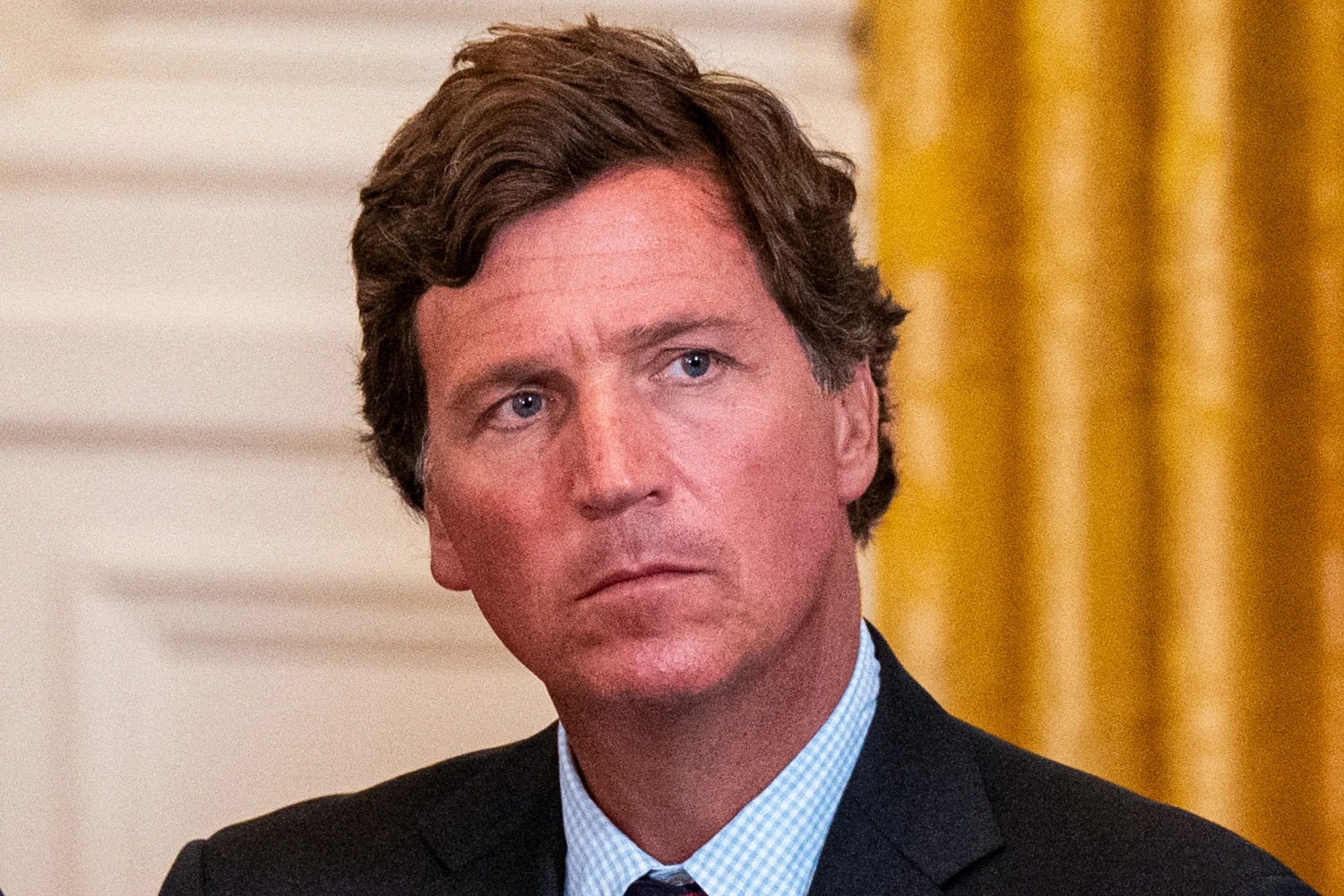
Tucker Carlson’s apology to his audience became national news after he said he was sorry for misleading people about Trump. The original apology came on his podcast, but the story qualifies here because April 22 and April 23 reporting added new context about the political rupture. The Los Angeles Times reported that Carlson said he was sorry for misleading people with his former support of Trump, while The Guardian framed the split as a political divorce inside the MAGA coalition. Variety and Deadline also reported Carlson’s apology and his statement that he would be “tormented” by his support. This is not a full reckoning with the harm of right-wing media, but it is a crack in the performance of certainty. [15][16][17][18]
Why It Matters
Carlson’s apology matters because he was not a marginal figure yelling from the bleachers. He was one of the most important translators of elite right-wing grievance into mass emotional language. When someone like that says he misled people, the question is not only what he regrets. The question is what he helped make possible before the regret became useful.
Who Is Affected
The people most affected are the communities that became targets inside the media ecosystem Carlson helped normalize: immigrants, Black communities, Muslims, LGBTQ people, feminists, public-health workers, educators, and anyone cast as the villain in the restoration fantasy. His audience is affected too, because an apology without a repair plan leaves followers with betrayal but no map out. In Jungian terms, this is the shadow trying to rename itself before the bill comes due.
What Mainstream Missed
Coverage is treating this like a media feud, but it is really a legitimacy crisis inside the right-wing imagination. Carlson is apologizing for misleading people about Trump while still trying to preserve his own authority as a truth-teller. The apology is not the end of propaganda. It is propaganda’s mask slipping, then quickly reaching for a better mask.
Sources
[15] Los Angeles Times: Tucker Carlson says he didn’t intentionally mislead people with his support of Trump. Really?. Reports and critiques Carlson’s apology and loss of faith after the Iran war.
[16] The Guardian: Tucker and Trump’s marriage of convenience heads for divorce court. Analyzes the political break over Iran, Israel, and MAGA’s internal fracture.
[17] Variety: Tucker Carlson Apologizes for “Misleading People” About Donald Trump. Reports Carlson’s apology and comments about being tormented by his support.
[18] Deadline: Tucker Carlson Says He’s “Sorry For Misleading People” About Donald Trump. Provides entertainment-media coverage of Carlson’s comments and podcast context.
Stories Buried Beneath the National Headlines
6. Federal Judge Signals Skepticism Toward DOJ’s Trans-Care Pressure Campaign
Reported (ET): April 23, 2026, morning to afternoon ET
Summary
A federal judge questioned the Justice Department’s probe of hospitals providing gender-affirming care, saying the government appeared to be threatening providers nationwide. Reuters reported that DOJ’s position grew out of a federal enforcement campaign targeting gender-affirming medical care for transgender minors. The Guardian separately reported that a federal judge struck down a Trump administration ban tied to Medicaid and Medicare funding, calling the administration’s legal posture harmful and overreaching. Hospitals had reportedly suspended or restricted care amid fears of losing federal support. Together, the developments show the administration using prosecution threats, funding threats, and regulatory claims to make hospitals abandon care before families ever get to court. [19][20]
Why It Matters
This is how healthcare bans work when officials want plausible deniability. The government does not always need to pass a clean, explicit ban. It can threaten subpoenas, funding loss, prosecution, licensing headaches, and institutional panic until hospitals quietly close the door. That is governance by fear, dressed up as compliance.
Who Is Affected
Trans youth and their families are directly affected. LGBTQ adults are affected because the legal theory used here can migrate into other healthcare settings. Black and brown trans youth face compounded risk because they are already more likely to encounter hostile institutions, uneven healthcare access, and under-resourced legal support. Providers are affected too, because medical judgment becomes subordinate to political intimidation.
What Mainstream Missed
Coverage gap: This story appeared in legal, LGBTQ, and healthcare-focused reporting while the national political conversation centered more heavily on Iran, immigration funding, and redistricting. The mainstream frame often isolates gender-affirming care as a culture-war fight. The institutional issue is broader: the federal government testing whether it can scare hospitals out of lawful care.
Sources
[19] Reuters: Judge skeptical of DOJ bid to defeat states’ case challenging transgender care probes. Reports the judge’s skepticism, the states’ lawsuit, and DOJ’s enforcement arguments.
[20] The Guardian: RFK Jr agenda suffers another loss as trans advocates hail “huge step forward”. Reports the ruling against the administration’s gender-affirming-care funding ban.
7. Louisiana Advances Bill That LGBTQ Advocates Say Would Erase Trans People From State Law
Reported (ET): April 23, 2026, late morning ET
Summary
Louisiana lawmakers advanced House Bill 578, the “Restoring Biological Truth Act,” which would replace references to “gender” in state law with “sex.” The bill defines sex as male or female as observed or clinically certified at birth. Them reported that the measure cleared the House Civil Law and Procedure Committee 6-1 on April 22 and was headed toward further House action. The Louisiana Legislature’s own bill page shows the bill was amended, engrossed, and passed to third reading on April 23. Advocates warn that the bill would make trans people legally harder to name, protect, or recognize inside state systems. [21][22][23]
Why It Matters
This is not symbolism. Law is where recognition becomes access. If the state narrows legal language so that trans people cannot be named, the next step is denying them standing, protection, healthcare access, school dignity, prison safety, and public legitimacy.
Who Is Affected
Trans people in Louisiana are directly affected, especially trans youth, trans women, and trans people without money to travel or litigate. Black trans Louisianans face additional danger because anti-trans policy collides with racial policing, poverty, housing insecurity, and healthcare deserts. LGBTQ families and educators are affected because state language becomes a weapon in schools, courts, clinics, and public benefits offices.
What Mainstream Missed
Coverage gap: The story was carried by LGBTQ-specialty reporting and bill trackers, not treated as a top national civil-rights development. That matters because statehouses are where national anti-trans strategy gets built one definition at a time. The bill was framed as a technical legal definition fight, but the consequence is civil erasure by statute.
Sources
[21] Them: A Trump-Inspired Louisiana Bill Would “Erase Trans People From Law”. Reports the bill’s movement and advocate concerns.
[22] Louisiana Legislature: HB578 bill page. Shows current status, committee action, and April 23 movement.
[23] LegiScan: Louisiana HB578 bill text and status. Provides bill title, sponsor, and legislative history.
8. Tlaib Introduces Bill to Block ICE Warehouse Detention Centers
Reported (ET): April 23, 2026, midday ET
Summary
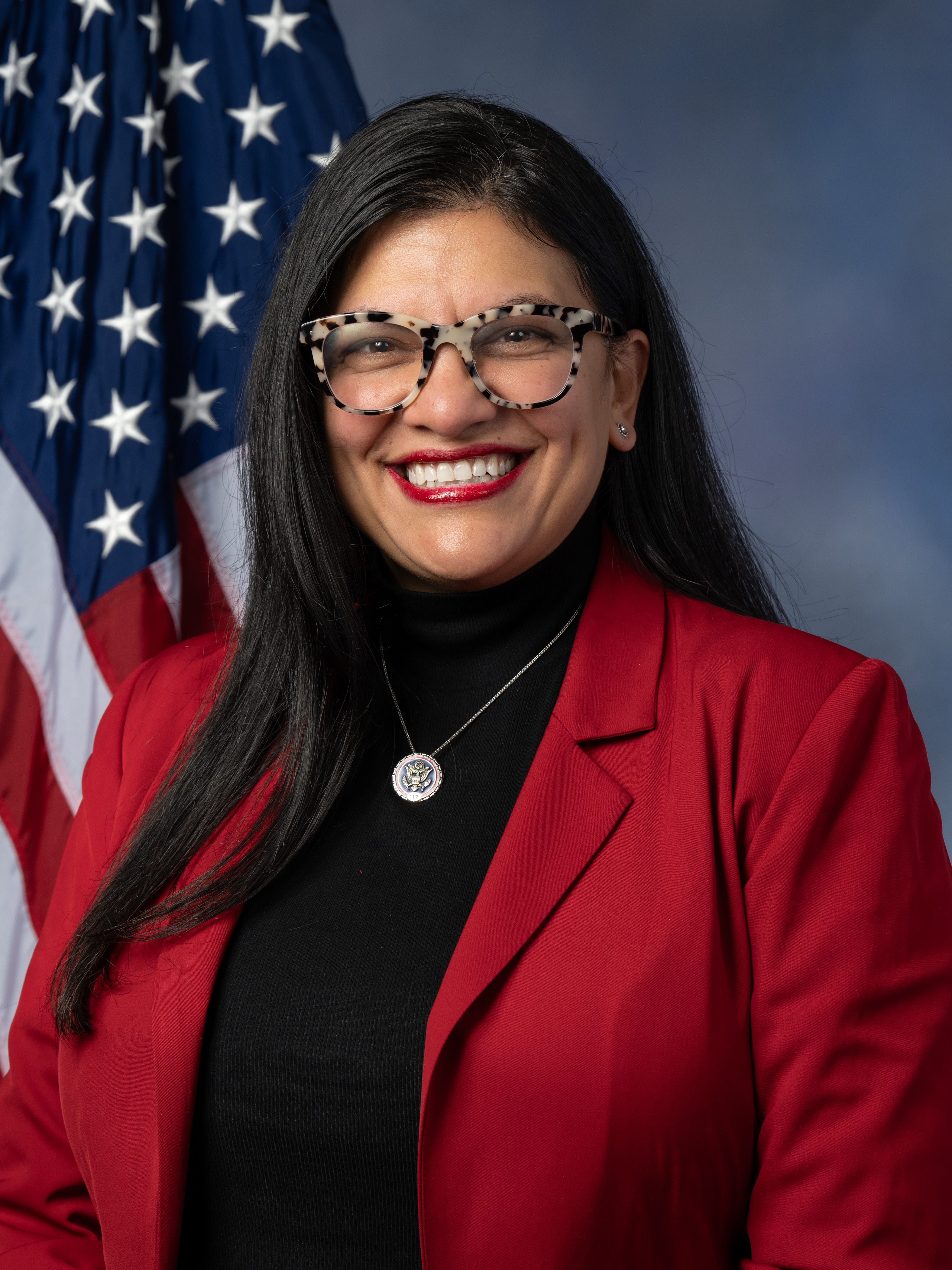
Rep. Rashida Tlaib introduced the Ban Warehouse Detention Act to stop DHS and ICE from turning warehouses and similar structures into immigrant detention centers. The bill would prohibit federal officials from establishing, operating, expanding, converting, or renovating warehouses for immigration detention. The Verge reported that the legislation responds to a Trump administration detention-expansion plan involving warehouses and nontraditional facilities. Tlaib’s office said the bill seeks to stop new immigrant detention models, not only warehouse conversions. Rep. Chuy García’s office said ICE has been scouting, purchasing, and planning warehouse conversions that could rapidly expand detention capacity. [24][25][26]
Why It Matters
Warehouse detention is the language of logistics applied to human beings. Once detention becomes a real-estate problem, the moral barrier drops. Empty buildings become cages, procurement becomes policy, and communities discover that federal power has moved into the neighborhood before consent ever entered the room.
Who Is Affected
Immigrants, asylum seekers, mixed-status families, and local communities around proposed sites are directly affected. Black immigrants, Afro-Latino immigrants, Muslim immigrants, and Indigenous migrants face especially high risk because detention systems magnify language barriers, racial profiling, and medical neglect. Local schools, hospitals, roads, and legal-aid groups are affected when a federal detention site arrives without meaningful planning. Families are affected when a warehouse becomes the place where disappearance is made bureaucratic.
What Mainstream Missed
Coverage gap: The story was reported by The Verge, congressional offices, and immigration-focused outlets while national headlines centered on the Senate funding fight. That separation is the problem. The ICE funding vote is the money; the warehouse plan is where the money may become walls, beds, guards, and family separation.
Sources
[24] The Verge: Democrats want to ban ICE from turning warehouses into detention centers. Reports the bill and warehouse detention expansion context.
[25] Rep. Rashida Tlaib: Tlaib Introduces Bill to Stop ICE’s Warehouse Detention Prisons. Provides bill language and sponsor rationale.
[26] Rep. Chuy García: Reps. García, Tlaib, Ramirez Introduce Bill to Stop ICE’s Warehouse Detention Prisons. Adds detention-capacity context and cosponsor framing.
9. Alaska Black Caucus and League of Women Voters Sue Over DOJ Access to Voter Data
Reported (ET): April 22-23, 2026
Summary
The League of Women Voters of Alaska and the Alaska Black Caucus sued Alaska election officials over the state’s sharing of voter-roll data with the Justice Department. AP reported that the lawsuit alleges the data-sharing agreement violates privacy and due-process protections under the Alaska Constitution. The voter list reportedly included sensitive information such as birth dates, driver’s-license data, and partial Social Security numbers. Democracy Docket reported that the lawsuit argues the agreement could let DOJ select which Alaskans have the right to vote by obligating the state to purge voters without a stated basis in law or process to challenge the removal. The ACLU said the state shared unredacted data after DOJ demanded full voter rolls from states across the country. [27][28][29]
Why It Matters
Voter purges rarely announce themselves as disenfranchisement. They arrive as list maintenance, data hygiene, fraud prevention, and administrative efficiency. But when sensitive voter data moves into federal hands under a president reviving claims of election fraud, the danger is not abstract. The machinery of suspicion gets built before the purge letter arrives.
Who Is Affected
Black voters, Alaska Native voters, low-income voters, students, elders, recently naturalized citizens, and people who move frequently are more vulnerable to list challenges and data errors. Voters with limited transportation or unstable housing can be knocked off the rolls by paperwork they never see in time. Survivors, domestic-violence victims, and people with privacy concerns also face risk when state-held data is shared broadly. The Alaska Black Caucus’s involvement matters because privacy fights and voting-rights fights are often the same fight wearing different clothes.
What Mainstream Missed
Coverage gap: This was reported through AP, Democracy Docket, the ACLU, and state-level legal coverage, but it did not dominate national headlines despite the Justice Department’s broader push for voter data. The national story tends to treat election fraud claims as rhetoric. The buried story is the administrative infrastructure that can turn that rhetoric into voter removals.
Sources
[27] AP: Groups sue Alaska election officials, allege the sharing of voter data with DOJ was unconstitutional. Reports the lawsuit, voter-data details, and DOJ agreements with states.
[28] Democracy Docket: Voting rights groups sue Alaska for sharing voter data with Trump DOJ. Explains the privacy, due-process, and purge concerns.
[29] ACLU: Civil Rights Groups Sue Alaska Division of Elections for Sharing Unredacted Voter Registration List. Provides the plaintiffs, legal theory, and requested relief.
10. Labor Department Proposes Rule That Could Shield Lead Companies From Wage-Theft Liability
Reported (ET): April 22-23, 2026
Summary
The Labor Department proposed a rule narrowing when companies can be treated as “joint employers” under federal wage and hour law. Reuters reported that the rule would make it harder to hold corporations responsible for wage violations committed by contractors, franchisees, or staffing firms. The Department said the proposal would simplify compliance and clarify worker rights. The Federal Register notice shows the rule would affect the Fair Labor Standards Act, the Family and Medical Leave Act, and migrant and seasonal agricultural worker protections. Critics argue the change would revive a Trump-era approach that limits accountability to companies with direct control over hiring, pay, supervision, and records. [30][31][32]
Why It Matters
This is a wage-theft story hiding inside administrative law. Corporations have spent years outsourcing work while keeping economic control. A narrow joint-employer rule lets the lead company benefit from low pay while blaming the subcontractor when workers are cheated.
Who Is Affected
Low-wage workers, franchise workers, warehouse workers, janitors, home-care workers, food-service workers, and temp workers are most exposed. Black, Latino, immigrant, and women workers are overrepresented in many subcontracted and fissured workplaces. Migrant and seasonal agricultural workers are also directly implicated because the rule touches MSPA standards. The boss at the top may get cleaner hands while the worker at the bottom gets a smaller check.
What Mainstream Missed
Coverage gap: Reuters and labor-law outlets covered the proposal, but it did not receive the same national attention as immigration, Iran, or electoral drama. That is how worker power gets weakened: not always through spectacle, but through rulemaking most people never hear about until the paycheck is wrong and the liable employer has vanished behind paperwork. The buried story is corporate distance being converted into legal protection.
Sources
[30] Reuters: US Labor Department unveils proposal on contract, franchise worker pay. Reports the proposed narrowing of joint-employer liability.
[31] Department of Labor: US Department of Labor proposes rule clarifying joint employer status. Provides the official agency announcement.
[32] Federal Register: Joint Employer Status Under the Fair Labor Standards Act, Family and Medical Leave Act, and Migrant and Seasonal Agricultural Worker Protection Act. Provides the proposed rule text.
11. New Air Report Finds Nearly Half of U.S. Children Breathing Dangerous Pollution
Reported (ET): April 22, 2026, morning ET
Summary
The American Lung Association’s new “State of the Air” report found that 33.5 million U.S. children live in areas with poor air quality. That represents about 46% of people under 18. The report also found that more than 7 million children live in communities failing all three pollution measures. The Guardian highlighted the danger to children’s developing lungs and the disproportionate exposure of communities of color. The American Lung Association said people of color are more than twice as likely as white people to live in counties failing all three measures, with Hispanic people more than three times as likely. [33][34]
Why It Matters
Air pollution is often treated like weather: unfortunate, impersonal, hard to blame. But pollution has geography, and geography has history. Highways, refineries, ports, warehouses, power plants, and data centers do not land randomly. They follow old lines of race, land value, zoning power, and political disposability.
Who Is Affected
Children are the first affected because their lungs are still developing. Black and Latino children are especially exposed because many live near industrial corridors, highways, and freight infrastructure. Children with asthma, disabled children, and children in poor schools face compounding harm when pollution meets underfunded healthcare and bad housing. Families pay in missed school, emergency-room visits, inhalers, anxiety, and shortened futures.
What Mainstream Missed
Coverage gap: The report received environmental and public-health coverage, but national political coverage did not treat it as a major racial-justice or children’s-health emergency. The missing frame is policy accountability. Dirty air is not just an environmental condition; it is a public decision about whose lungs count.
Sources
[33] The Guardian: Nearly half of US children breathing dangerous air pollution, report finds. Reports the child-health and environmental-justice findings.
[34] American Lung Association: New Report: Half of U.S. Kids Are Breathing Dangerous Air Pollution. Provides the report’s key findings and racial disparity data.
12. RFK Jr.’s Medicaid Claims Get Fact-Checked While the Cuts Remain the Real Story
Reported (ET): April 23, 2026, midday ET
Summary
AP fact-checked Health Secretary Robert F. Kennedy Jr.’s claim that Medicaid is not being cut. Experts told AP that claim is misleading because Trump’s law is expected to reduce Medicaid spending by nearly $1 trillion over a decade compared with prior projections. Kennedy’s hearing appearances focused heavily on vaccines, birth schedules, and public-health controversies. KFF Health News reported that Kennedy completed marathon House and Senate committee hearings where he was grilled on multiple health issues. The Medicaid issue matters because work requirements, eligibility changes, and administrative burdens do not have to look like cuts on paper to function like cuts in people’s lives. [35][36]
Why It Matters
A cut can be a smaller check. It can also be a locked door, a missing form, a work-reporting portal that fails, or an eligibility rule designed to throw people off coverage. That is the trick: make deprivation look like paperwork. Then blame the person who could not survive the maze.
Who Is Affected
Poor people, disabled people, children, seniors in long-term care, rural hospitals, Black families, Latino families, and caregivers are all exposed. Black women are especially affected as caregivers, low-wage workers, patients, and family health managers. LGBTQ people with unstable employment or hostile family systems can also rely heavily on Medicaid. When coverage shrinks, the cost moves from government books to bodies.
What Mainstream Missed
Coverage gap: National coverage often framed Kennedy’s hearings as vaccine drama or personal credibility theater. The buried issue is Medicaid administration as a weapon: eligibility rules and work requirements that quietly convert public insurance into a trapdoor. The people most likely to fall through that door are rarely centered in the hearing recap.
Sources
[35] AP: FACT FOCUS: RFK Jr. misleads on Medicaid cuts. Explains why Kennedy’s no-cuts claim is misleading.
[36] KFF Health News: What the Health? Kennedy faces marathon House and Senate hearings. Provides hearing context and public-health scrutiny.
13. Black Female Associate Accuses Elite Law Firm of Race, Gender, and Pregnancy Discrimination
Reported (ET): April 23, 2026, morning ET
Summary
A Black female associate at McDermott Will & Schulte accused the firm of discrimination after allegedly being passed over for partner promotion. Bloomberg Law reported that the anonymous 38-year-old associate alleged race discrimination, pregnancy discrimination, and retaliation. The ABA Journal reported that the complaint centers on a promotion snub at the major law firm. Law360’s legal-industry coverage likewise described claims involving gender, race, and pregnancy discrimination in California state court. The firm has not been found liable based on the reporting available; the story is about the allegations and the pattern they raise inside elite professional spaces. [37][38][39]
Why It Matters
Elite workplaces love the language of merit until merit has to explain who keeps getting promoted. A law firm can sell civil-rights expertise to clients while allegedly reproducing old hierarchies inside its own partnership track. Pregnancy discrimination adds another layer because professional ambition is still treated as masculine by default. Black women are often told to be exceptional, then punished for expecting exceptional treatment to mean equal opportunity.
Who Is Affected
Black women in elite professions are directly implicated. Pregnant workers, caregivers, women lawyers, and associates trying to break into partnership are affected by the precedent and culture such cases expose. Black women in law face the double bind of being both hypervisible and unsupported. The issue also affects clients, because institutions that cannot see discrimination inside their own walls should not be trusted to narrate justice outside them.
What Mainstream Missed
Coverage gap: This story appeared in legal trade outlets, not as a major national workplace-equity story. That narrow placement matters because race, gender, pregnancy, and professional gatekeeping are not niche issues. The legal profession helps interpret discrimination for everyone else while still struggling to confront its own.
Sources
[37] Bloomberg Law: McDermott Sued Over Black Associate’s Discrimination Claims. Reports the allegations and plaintiff description.
[38] ABA Journal: Black female associate files discrimination complaint against McDermott Will & Schulte over promotion snub. Reports the complaint and promotion issue.
[39] Law360: Employment Authority discrimination coverage. Summarizes legal-industry discrimination claims, including gender, race, and pregnancy discrimination coverage.
14. DOJ Watchdog Opens Review of Epstein Files Release
Reported (ET): April 23, 2026, morning to afternoon ET
Summary
The Justice Department’s inspector general opened an audit of DOJ’s compliance with the Epstein Files Transparency Act. The OIG said it will evaluate how DOJ identified, redacted, and released records covered by the law. Reuters reported that the review follows bipartisan criticism over the exposure of alleged victims and concerns about over-redaction. Al Jazeera reported that the law requires searchable, downloadable files and limits redactions for victims, classified material, and narrow legal categories. The Washington Post reported that the review involves millions of pages and complaints from victims and lawmakers about both privacy failures and possible protection of powerful names. [40][41][42][43]
Why It Matters
The Epstein story is often dragged into conspiracy spectacle, but the institutional issue is simpler and uglier. Survivors deserve privacy. The public deserves accountability. Powerful people should not get reputational protection disguised as legal caution. A file release that exposes victims while shielding elites repeats the original hierarchy of abuse.
Who Is Affected
Survivors are directly affected, especially those whose private information may have been mishandled. Women and girls harmed by trafficking systems are affected when the state mishandles evidence and retraumatizes victims. Black and poor survivors in other cases are affected too because elite accountability standards become the ceiling for what the justice system thinks victims deserve. The public is affected because selective transparency destroys trust.
What Mainstream Missed
Coverage gap: National coverage often treats Epstein as a scandal commodity or partisan weapon. The buried frame is victim protection versus elite protection inside the administrative process of document release. The question is not just what is in the files; it is whose names get hidden, whose trauma gets exposed, and who made those decisions.
Sources
[40] DOJ Office of Inspector General: DOJ OIG Announces Initiation of Audit. Announces the audit and its objective.
[41] Reuters: US Justice Department watchdog to review release of Epstein files. Reports the review and criticism over redactions and victim exposure.
[42] Al Jazeera: US Justice Department watchdog launches review of Epstein files release. Explains the Transparency Act requirements and prior criticism.
[43] Washington Post: DOJ watchdog launches review of agency’s compliance with Epstein files law. Adds context on millions of pages and complaints from victims and lawmakers.
15. Florida ACLU Analysis Finds Racial Disparities in Highway Patrol Stops
Reported (ET): April 23, 2026, morning to afternoon ET
Summary
The ACLU of Florida and LatinoJustice PRLDEF released a new report finding severe racial disparities in Florida Highway Patrol traffic enforcement. The ACLU said the report, “Discrimination in Overdrive,” examined FHP traffic enforcement practices as street-level immigration enforcement expands. WLRN reported that Hispanic drivers were twice as likely to be arrested as white drivers during traffic stops. Treasure Coast Newspapers reported through AOL that the report showed racial bias against Black and Hispanic drivers. Even when traffic enforcement is framed as routine, racial disparities in stops, searches, and arrests shape who experiences the state as protection and who experiences it as threat. [44][45][46]
Why It Matters
Traffic stops are where constitutional theory meets a flashing light in the rearview mirror. For Black and Latino drivers, a “routine stop” can become a search, an arrest, an immigration referral, a debt spiral, or a deadly encounter. The numbers matter because they turn lived suspicion into evidence. The state cannot keep calling it anecdotal once the pattern is counted.
Who Is Affected
Black drivers and Hispanic drivers are directly affected. Immigrant drivers, young men, low-income workers, and people who rely on driving for work are especially vulnerable. Families are affected when a stop becomes a fine, a missed shift, a suspended license, or a jail booking. Communities are affected because racialized traffic enforcement teaches people to fear public space.
What Mainstream Missed
Coverage gap: This was carried by local, regional, and civil-rights reporting, not elevated as a national policing story. The national press tends to cover police violence when there is video, death, or protest. The buried story is the everyday enforcement pattern that makes those eruptions possible.
Sources
[44] ACLU of Florida: New Report Exposes Stark Racial Disparities in Florida Traffic Stops as Street-Level Immigration Enforcement Expands. Provides the report announcement and civil-rights framing.
[45] WLRN: ACLU: Hispanic drivers twice as likely to be arrested by Florida troopers than white drivers. Reports the traffic-stop findings and arrest disparity.
[46] AOL / Treasure Coast Newspapers: Florida ACLU report shows FHP racial bias against Blacks and Hispanics. Provides regional coverage of the ACLU findings.
Representation Check
• LGBTQ stories included: DOJ trans-care probes and Louisiana HB578.
• Black women stories included: McDermott discrimination complaint involving a Black female associate; Medicaid cuts also analyzed for Black women’s caregiving and healthcare burden.
• Trans-centered story included: Louisiana HB578 and federal gender-affirming-care litigation.
Closing Note on Coverage Gaps
Today’s hierarchy tells the story before the stories do. The center covered the loud machinery: war, immigration funding, redistricting, marijuana, Tucker Carlson’s apology. The edges showed what that machinery does when it reaches bodies: a trans kid losing care, a worker losing wage protection, a driver pulled over, a family facing detention, a voter’s data moving into federal hands.
That is the Blackout pattern. Power performs in the headline and operates in the administrative detail. The harm rarely begins with the explosion. It begins with the rule change, the subpoena, the funding vote, the warehouse purchase, the quiet definition of who counts.
Support XVOA
If this brief helps you see what larger outlets bury, support the work that makes it possible.
This thing is like COOL AC: so reliable and trustworthy you almost forget how much work it takes to keep the room comfortable.
Paid subscriptions buy me time to do the digging.
And if a paid subscription is not in the budget today, buy me a coffee to. I’m out here doing hours of work and somehow still acting humble enough to ask for coffee money instead of a newsroom budget.
Thanks for your coverage and analysis. And, re: ICE buying warehouses---when people are being warehoused, they are warehoused in Concentration Camps. Period. And the majority of those people will be Black and Brown. I'm glad to hear that some communities pushing back and banning them.
This was a lot to cover.
Thanks for doing this work.