


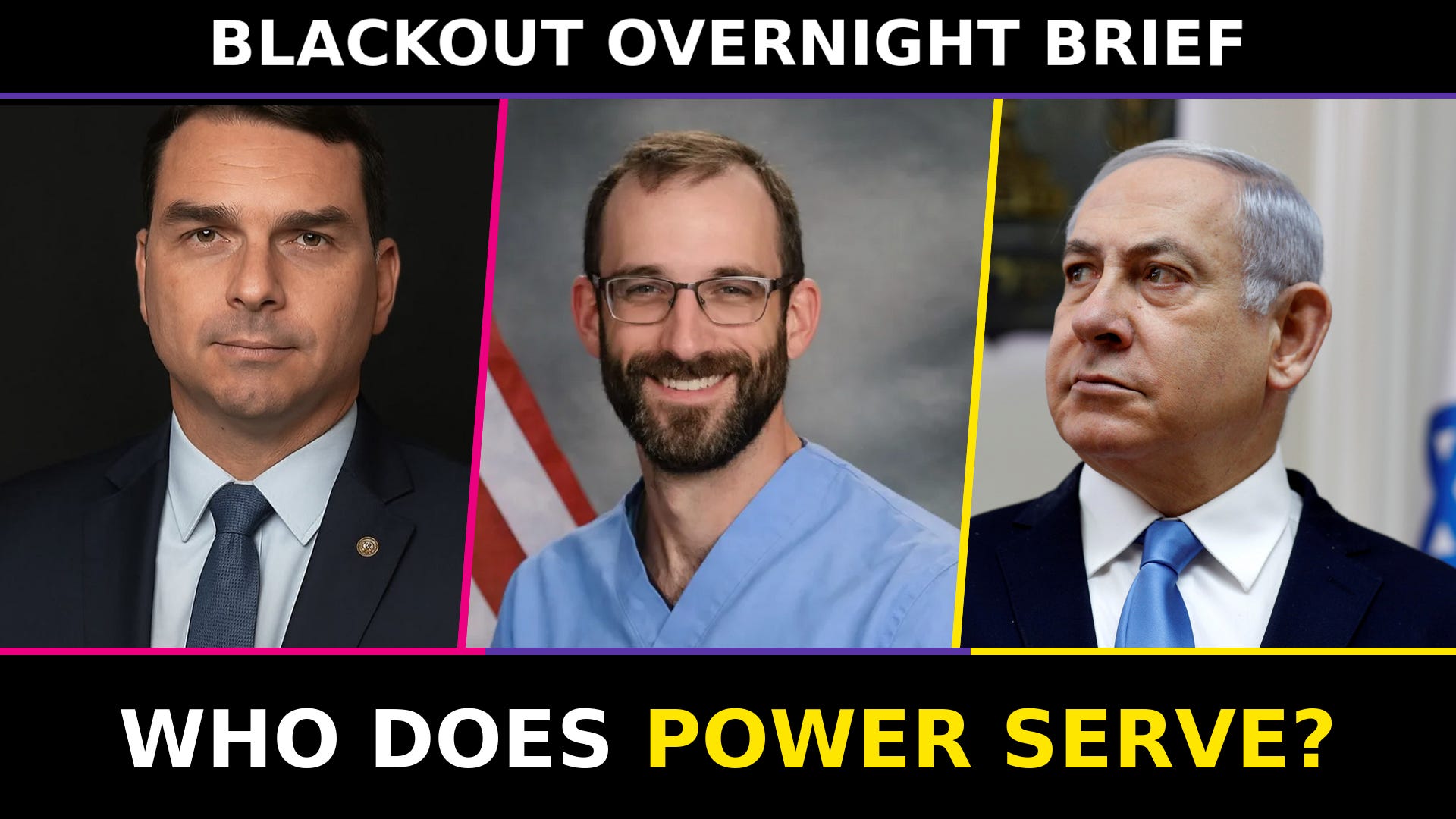
Welcome to the Blackout Overnight Brief. We bring you the evening’s and overnight’s biggest political, social and international developments. We tell you why we think it matters and link to the original Notes so you can learn more. And if there was video, we describe that as well (so you don’t have to watch it).
Apologies for today’s late brief, and thank you for your patience.
In today’s edition, Flávio Bolsonaro leaves Brazil amid questions about whether U.S. officials helped him get out. The Pretti family demands more evidence, and Israel faces uncertainty over who will form its next government. We also cover Caribbean calls for reparations and California state workers’ demands. Sonya Wimberly Hawkins has a message for voters: pay attention to down-ballot races.
Wednesday, October 28, 2026
Bolsonaro’s flight from Brazil, the Pretti family’s demand for answers, and the struggle over who gets to govern Israel.
Bolsonaro leaves Brazil; Castro demands answers
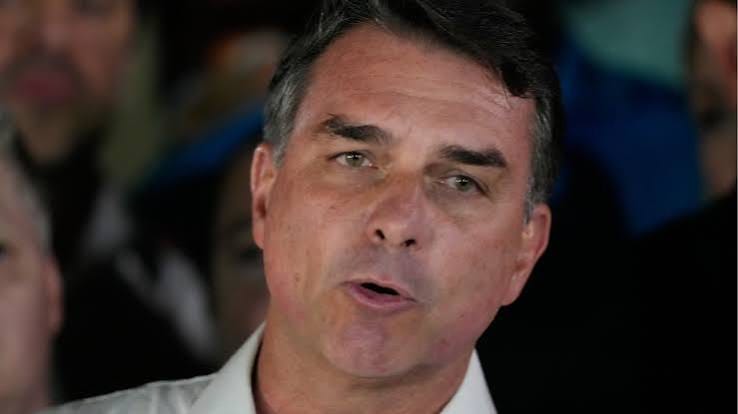
Flávio Bolsonaro left Brazil despite a court order to turn in his passport in a money-laundering case (he denies any wrongdoing), and the State Department says it will give visas to him and his family; as of this morning, reporting from AFP has them going through Argentina and Ecuador. No asylum grant has been confirmed, and whether U.S. officials helped Bolsonaro circumvent the passport order remains unproven. Rep. Joaquín Castro called on the Trump administration to explain whether it helped Bolsonaro leave Brazil.
Reporting: AFP · Diario Libre · Al Jazeera
Pretti’s parents demand the missing evidence
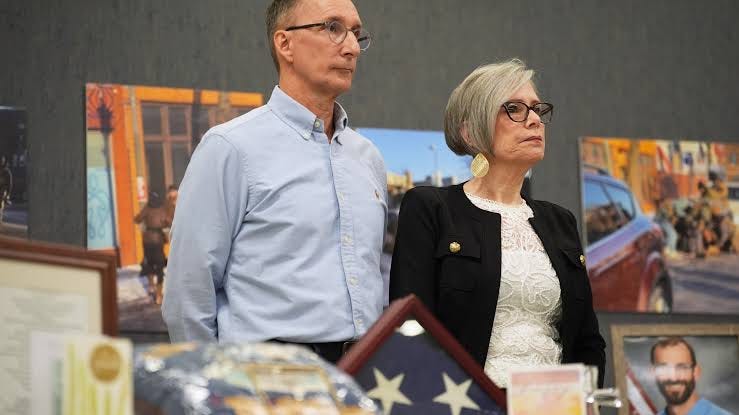
Michael and Susan Pretti are still seeking evidence related to the killing of their son, Alex Pretti, in January, alleging that the federal government is protecting the officers who killed him. County Attorney Mary Moriarty is alleging that the federal government has not turned over all the evidence that should have been shared previously. The Department of Justice has said that it does not need to turn over any more evidence until legal proceedings begin.
Will he accept Arab partners?

Preliminary results in Israel show that neither of the leading contenders for prime minister, Benjamin Netanyahu and his challenger, former army chief of staff Gadi Eisenkot, has a governing majority, leaving Arab-led parties potentially decisive in coalition talks.
Eisenkot has called for a strong Zionist coalition government, words that Antony Loewenstein argues could shut Arab parties out of government.
Speaking to Al Jazeera, Loewenstein argues that this attitude amounts to racism: “Can you imagine any other so-called democracy having this kind of conversation?” he asks.
Loewenstein also cautions that even if Netanyahu does end up ousted as prime minister, it’s unlikely that much will change in Israel’s policies with respect to Gaza, the West Bank or Iran, given that both major political camps share many positions on these issues.
Reporting: Al Jazeera · Interview—optional video
Slavery’s legacy
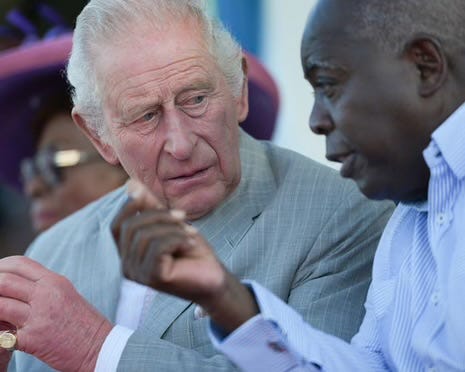
During his visit to The Bahamas, King Charles offered to discuss slavery’s legacy with Commonwealth leaders but made no apology or pledge of reparations. The Bahamas’ National Reparations Committee said the King’s comments “fall short of what justice requires.” For many Bahamians whose ancestors were enslaved during the transatlantic slave trade, simply praising what Bahamian people have accomplished is not enough. They want recognition of and reparations for what was done to their foremothers and forefathers.
Reporting: The Guardian · AP / iNFOnews
California workers: A Raise Or Room To Save
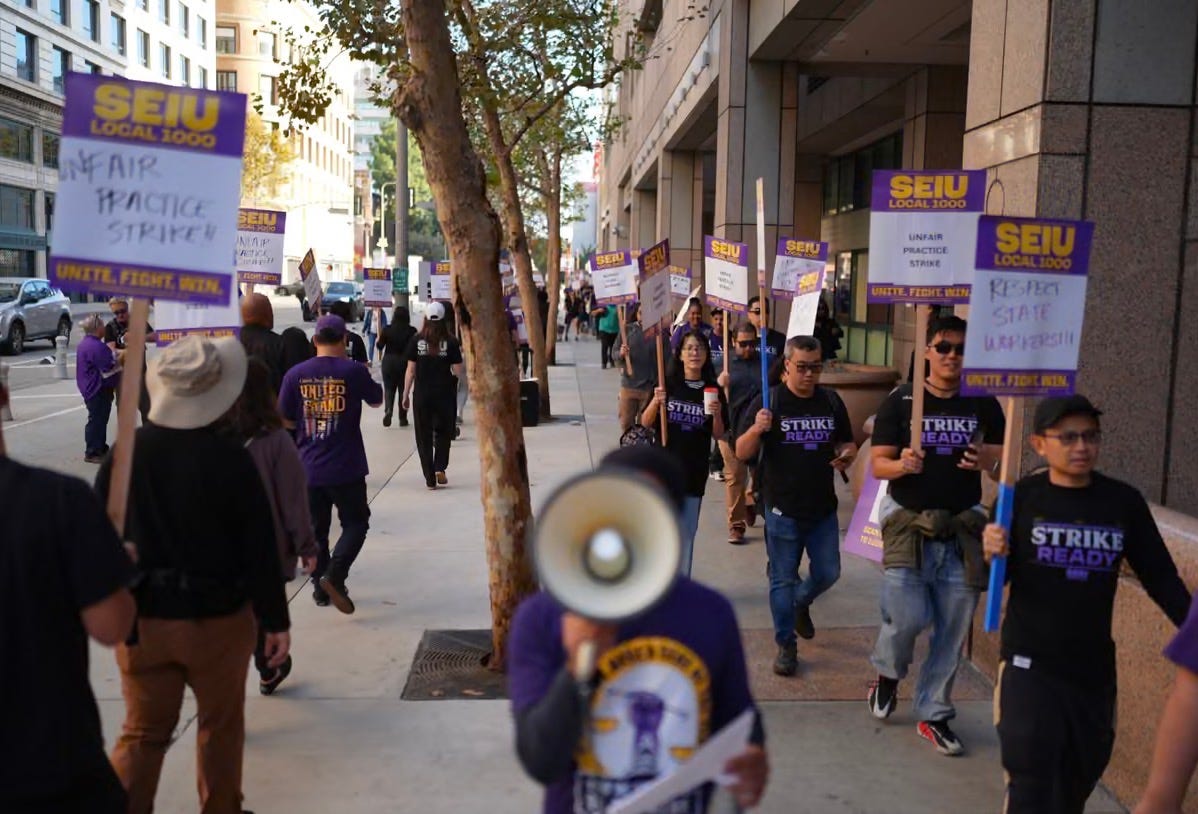
SEIU Local 1000 members walked out on October 21 in support of a 20% raise over three years, reduced health care costs, and flexibility around a return-to-office requirement. The California state government says it’s willing to talk. As Jessica Brooks put it: “Give us a raise or let us save money.”
Original Note · Rally footage—optional
Reporting: AP / Washington Post
Sonya’s message: finish the ballot

Running for Georgia Senate District 16, Sonya Wimberly Hawkins talked about tying down-ballot votes to issues like raising the minimum wage, expanding Medicaid and better regulating utility companies during Tuesday’s interview with XVOA.
“I want to focus on raising that minimum wage,” said Hawkins, who wants to create a consumer watchdog to monitor Georgia’s Public Service Commission, which regulates utility rates.
To make those changes happen, voters need to pay attention to who’s running for state House and Senate seats and who will be regulating those utility rates, she said.
“Make sure you’re voting from top to bottom,” said Hawkins, who also encourages voters to review the amendments on the ballot.
Reporting: XVOA interview—optional video
Help keep the Blackout Overnight Brief independent
The Blackout Overnight Brief is a project in independent journalism. If you found this Brief informative, I ask that you consider paying to support the work done to bring you important reporting and analysis.
By becoming a paying subscriber, you’ll help sustain this work and keep the Blackout Overnight Brief free for everyone. You can also make a one-time contribution if a recurring subscription isn’t for you.
Either way, thank you for supporting independent, people-centered journalism.
And please feel free to pass along this Brief to others who are interested in independent journalism that digs deeper into who’s in charge, who’s being shielded, and who’s paying the price.
Corruption, impunity and the myth of the "Nation-State" (name one if you can...).