

They don’t listen to you. You’re too old.
There are exceptions, of course. You could be a rich asshole or a famous asshole. You manage to be both and somebody will pull up a chair and ask what you think about the future. I’m thinking about the old man who starts to answer a question and gets about five words in before one of us says, “Yeah, I know.” How the hell do you know? He hasn’t told you yet.
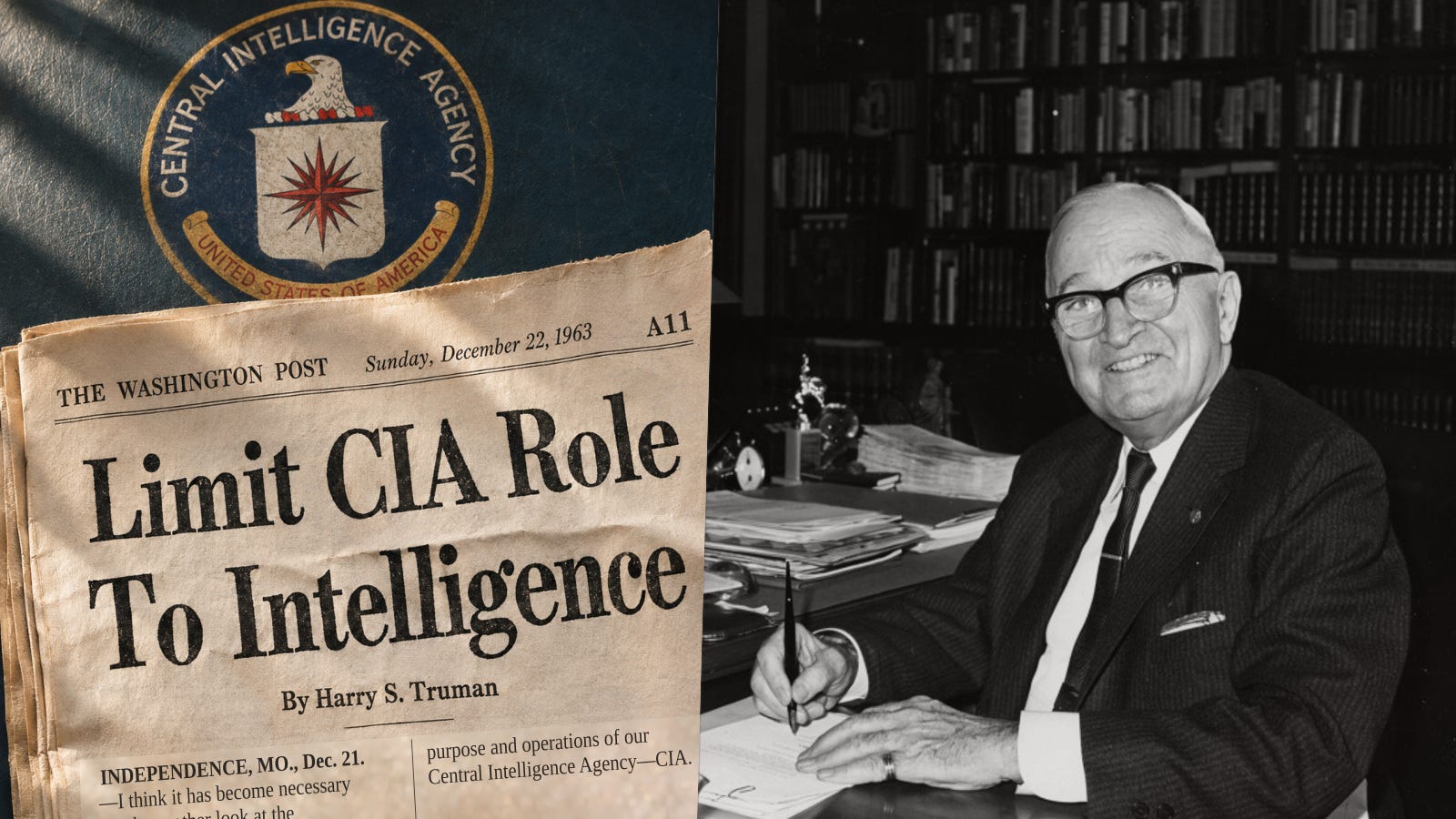
Harry Truman was seventy-nine when his warning about the CIA appeared in the Sunday Washington Post. [1] [2] He was certainly famous enough to qualify for a chair. Seems to me a fellow who spent nearly eight years having those reports brought to his desk ought to get a hearing on what presidents need to know. He got page A11. [2]
Sixty-three years ago today, John F. Kennedy was killed in Dallas. If you were sixteen that day, this Sunday, November 22, 2026, finds you seventy-nine. Same age Harry was when that column ran. [1] [3]
Here’s what I’m wondering. If I gave you the first half of Eisenhower’s warning, I bet you could finish it for me. What do you remember about Truman’s?
Here’s Ike in 1961. “In the councils of government, we must guard against the acquisition of unwarranted influence, whether sought or unsought, by the military-industrial complex.” [4]
Two years later, Harry Truman wrote that the CIA had become “an operational and at times a policy-making arm of the Government.” He wanted it back in the business of telling the president what was happening overseas. As for the operations themselves, he wanted them “terminated or properly used elsewhere.” [2]
The warning we remember
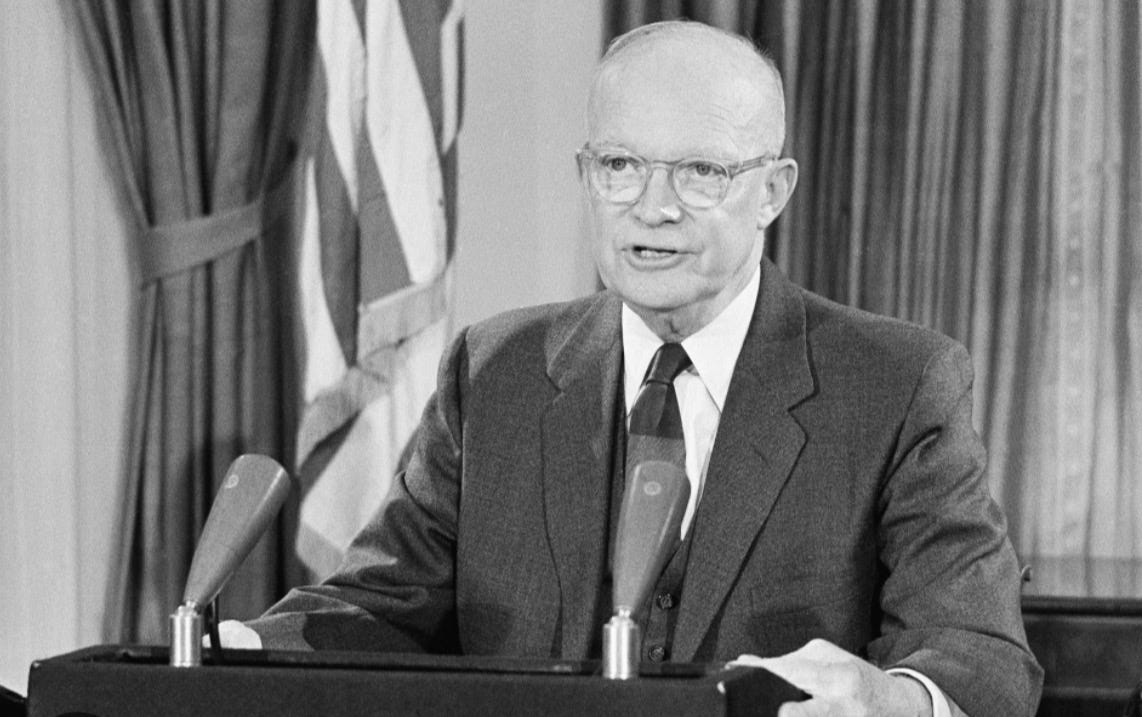
Try this with somebody who’s old enough to remember Eisenhower. Ask what Ike had to say about the military-industrial complex. Then ask them which newspaper they read it in. See, that’s a trick question. Ike went on television. A general with three days left in the White House used some of his time to warn us about the arms business. [4]
One word I didn’t remember was spiritual. He thought the influence of all that defense money in towns across America went as far as that. You pray on Sunday for your son to get a decent job and come Monday the folks who build the missiles call the boy back. I believe I see what the general was getting at. Truman’s open letter struck me as his version of Eisenhower’s warning. [4]
December 22, 1963. Seems like a huge coincidence that the Post ran it thirty days after Kennedy’s death, don’t it? Of course the first thing you want to know is, did he accuse the agency of having a hand in Dallas? He didn’t. Geezus, that would be a smoking gun if he did. And the Ventura County Star, out in California, put the column on its front page the day before the Post ran it. [2] [5]
Truman wanted the bad news, too
There’s a little something you miss if the only copy you read is the clipping from the Post. The longer version has a bit in it about Pearl Harbor. The Army had people looking into the same things the Navy had people looking into, and State had its own folks. For all those people out gathering information the president might still be the last man in town to find out what was going on. Truman believed some of that had cost us at Pearl Harbor. [5]
So when he signed the CIA into existence in 1947, what he thought he was getting was a look at the reports before the departments cleaned them up for the boss. By 1963 he had to worry about what the people giving the president his information had been up to in the country they were briefing him about. Truman called it an “operational and at times a policy-making arm of the Government.” He thought that had hurt America overseas. End the operational duties or give them to somebody else, he said. [2] [5]
And Harry, since we’re all here, whose people put sabotage in the job description? It’s there in a National Security Council directive from June 1948. There’s support for underground resistance, too, and instructions to arrange things so that if we got found out the government could deny having anything to do with it. [6] When did you first wish you could take it back, Harry?
What the papers saw in Cuba and Vietnam
The Bay of Pigs connection is the one that had me thinking about Dallas. That and Kennedy’s moves to draw down the war in Vietnam. But those are two questions I brought to the column. Harry didn’t put either one in it. It was the editors of the San Francisco Chronicle who brought up the Bay of Pigs and Vietnam in print on December 27. [2] [7]
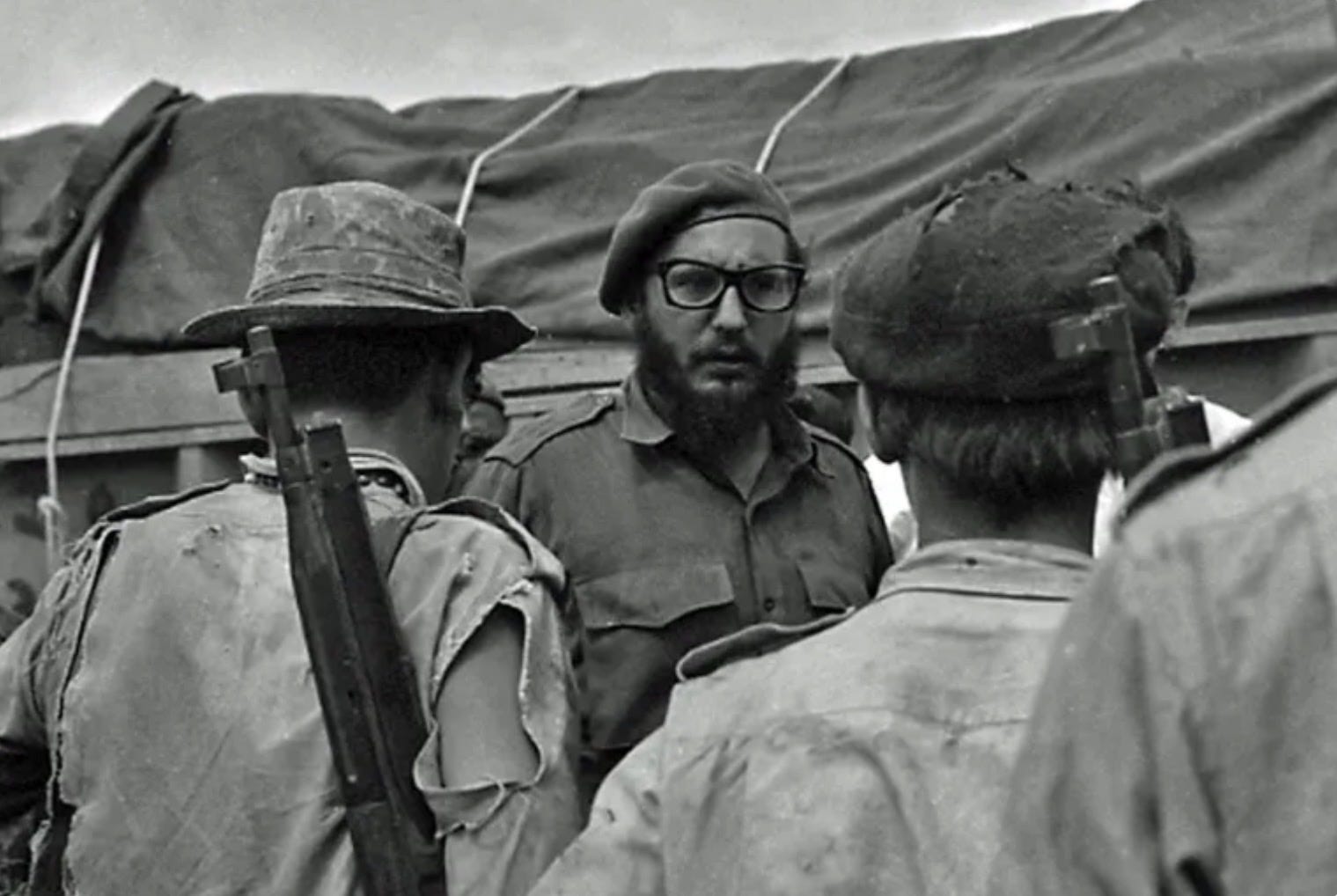
Look who the presidents were on the Cuban job. Eisenhower was in office when the CIA got its orders to develop a plan to get rid of Fidel Castro. Kennedy was in office when the Cuban exiles the agency had trained and financed landed at the Bay of Pigs in April 1961. He’d approved that invasion. Castro’s men beat it in two days. By November, Kennedy’s people had another covert program for Cuba. Apparently there was enough interest left in getting rid of Castro to keep everybody at work. [8]
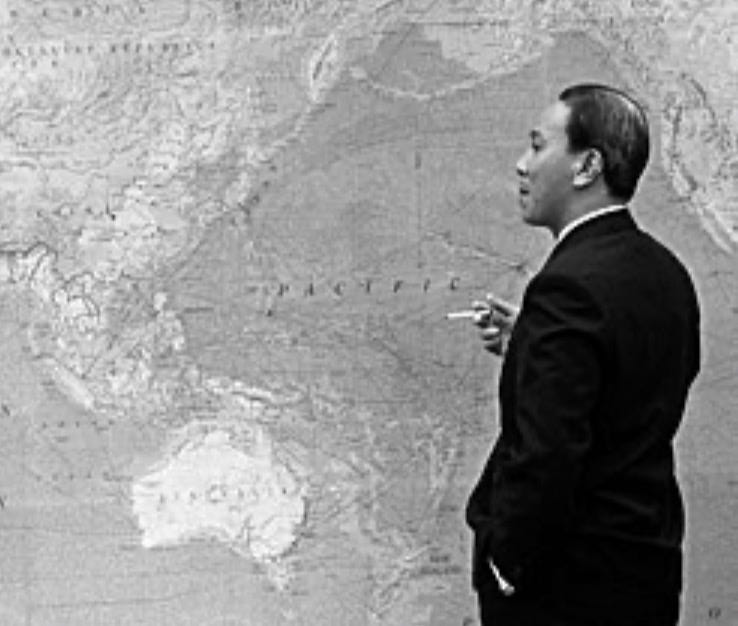
There’s a man who could tell you what the CIA had to do with Vietnam just by telling you what he carried to work one day. On November 1, 1963, when the South Vietnamese generals moved against Ngo Dinh Diem, their CIA contact Lucien Conein showed up at their headquarters with cash. Rice and bread for the troops, medical facilities, according to his Senate testimony. The way CIA Director William Colby told it, some of the money rewarded units for joining the coup. The generals took power. Diem and his brother were killed. [9] The decision to send American combat troops later belonged to Johnson. The agency had already helped decide who would govern the people those troops were going over there to defend. [10]
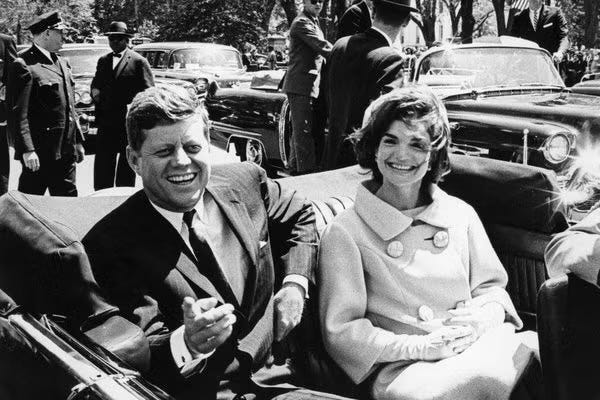
A month before he died, Kennedy approved plans to withdraw a thousand American military personnel by year’s end. Kennedy wanted no formal announcement about the plans. Where Kennedy would’ve gone from there is anybody’s guess. [11] The Bay of Pigs and the prospect of a withdrawal from Vietnam have both figured in theories about a CIA motive for killing Kennedy. [12] [13] I wouldn’t mind having a nickel for every hour Americans have spent arguing that one. I might even owe the jar a little money myself. Go ahead and argue it. Just leave Harry out of the witness box unless you’ve got something from him I haven’t seen.
The man who read page A11
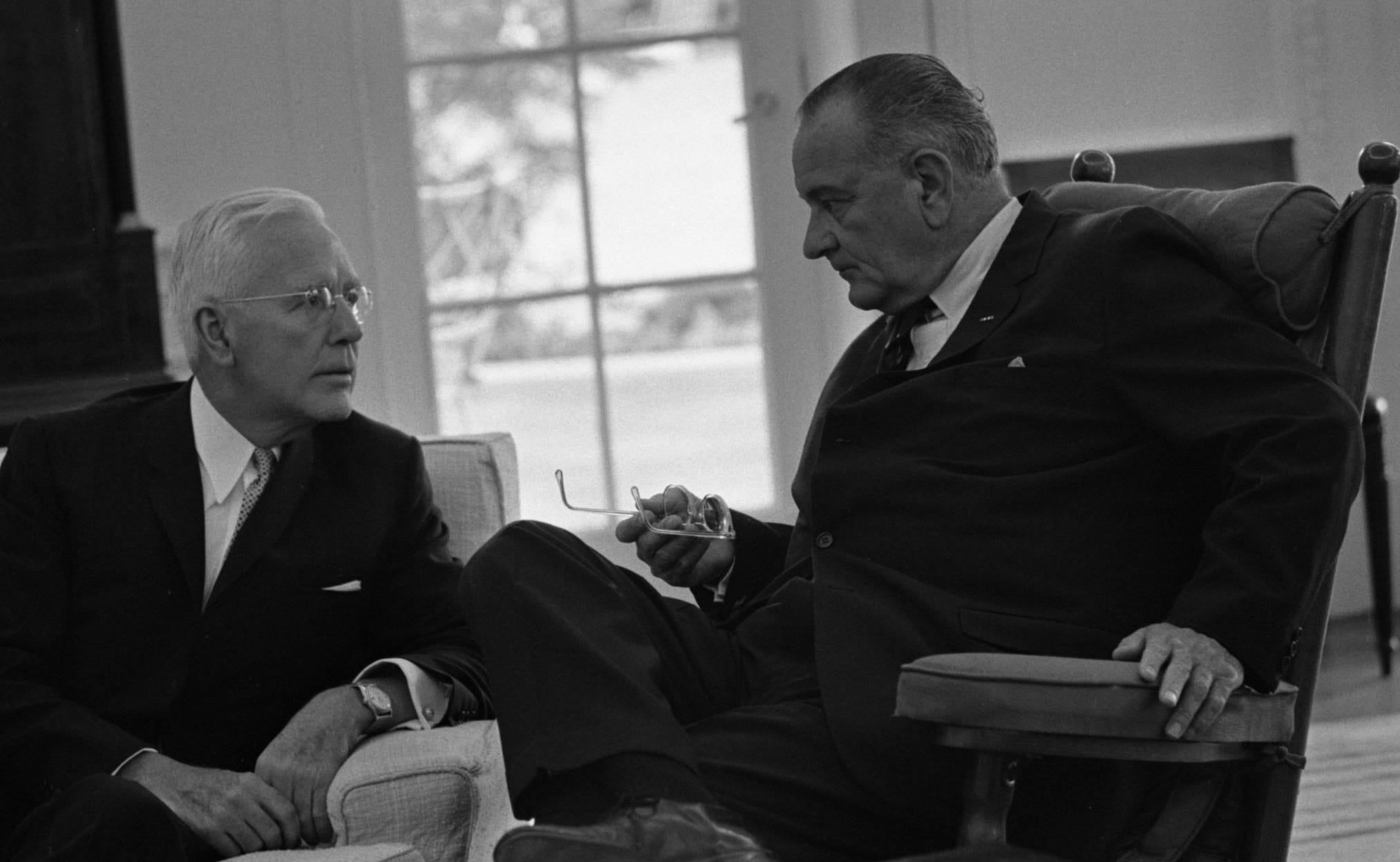
Five weeks to the day after Kennedy was killed, Lyndon Johnson sat down to breakfast at his ranch in Texas with John McCone, the director of Central Intelligence. Just the two of them. On December 29 McCone wrote up what they’d discussed on the 27th. His account was marked Top Secret, Eyes Only. I’d been wondering if the old man in Missouri had gotten a hearing. [14]
Johnson had a job for McCone, and the name that comes up in the memo is Eisenhower’s. Would the director go out to California and get Ike’s thoughts on world affairs? That was the sort of thing Johnson wanted people to see his CIA director doing. Turns out they had two former presidents to discuss over breakfast. He’d brought Harry’s column with him. I’d have liked to see the look on McCone’s face when Johnson told him he’d already read it. Johnson thought it was a mistake. [14]
McCone could practically see the column making its way from Missouri to the floor of the Senate. He even supplied the name of a likely senator, Eugene McCarthy of Minnesota. McCarthy could get Truman’s words into the Congressional Record. Imagine trying to count votes for a joint House and Senate committee to oversee the CIA. Wouldn’t it help to have a few words from the man who signed the agency into existence? McCone thought so. [14]
You’ve got to read down a bit to get to the part about what they left for another day. McCone actually drew up a list. Right there at number one was the scope of the CIA’s own work, especially the clandestine business. Why didn’t they get to that? McCone’s words were “time ran out.” He’d had time to talk about what might happen if somebody in Congress paid attention to Harry Truman. Now look at what he put at the top of the list to come back to. For his own part, McCone was satisfied the president backed the covert work. He understood Johnson to want the public to hear more about the intelligence briefings. You could give Harry half his wish that way and keep right on doing the part he objected to. [14]
The boy at the convention
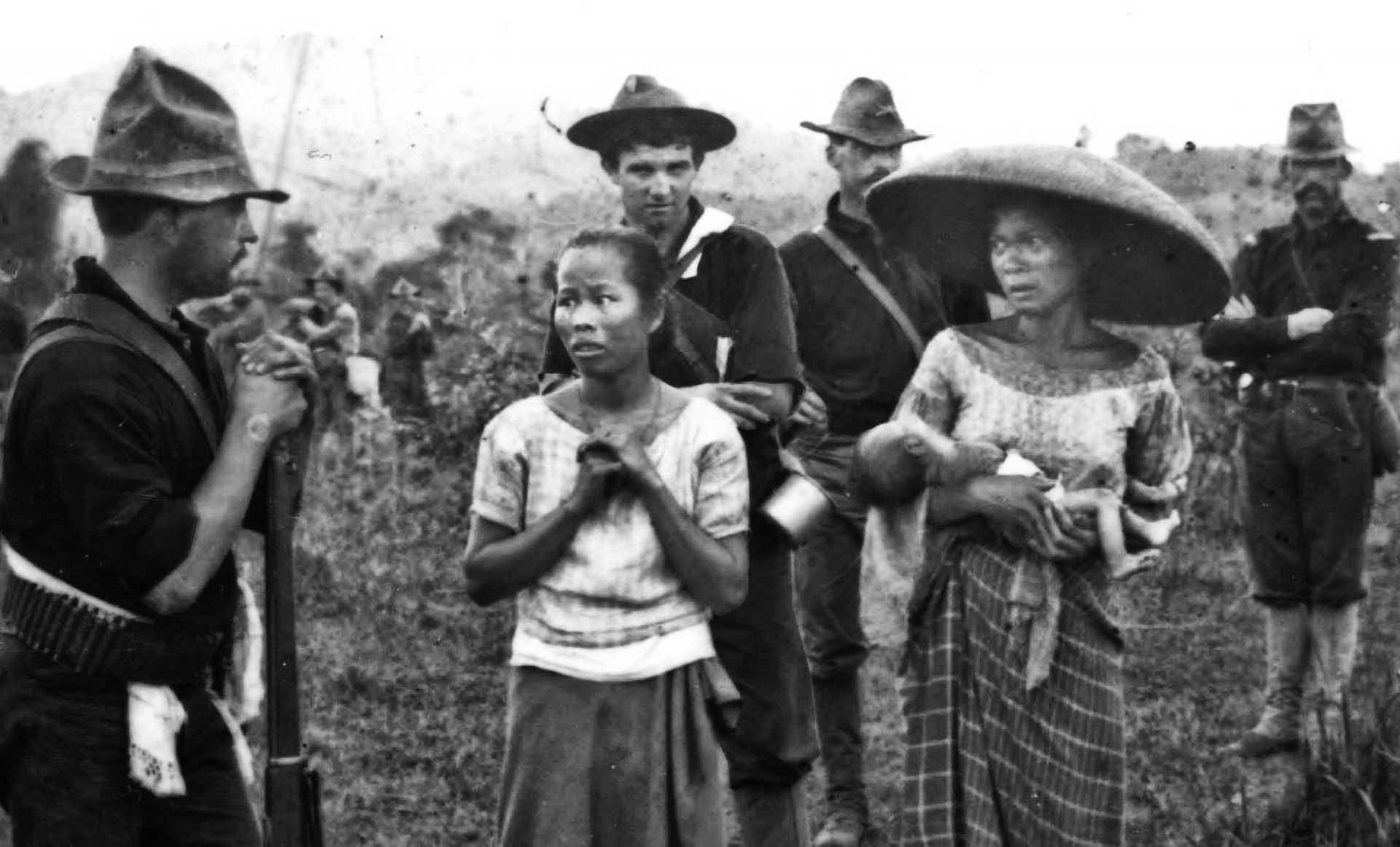
The Filipinos had declared independence from Spain. Spain signed the islands over to us anyway, and by late 1899 the United States had a guerrilla war on its hands. People in Chicago had already held a protest meeting at Central Music Hall. Black newspapers took up the case for Filipino independence while Black families had men serving over there. I imagine it took some doing to pray for your boy to come home safe from a war your bishop called “an unholy war of conquest.” That was Bishop Henry McNeal Turner. [15] [16] [17]
Harry Truman had a job at the Democratic convention in Kansas City the summer he was sixteen. He was a page. His party put its opposition to the war right there in the platform, along with its opinion that letting Filipinos become citizens would endanger American civilization. Imagine being a Filipino whose freedom these folks had just been up on their feet defending. You’d sure want to stick around and get yourself a copy of the fine print. [18] [19]
Sixty-four years from the outbreak of that war to the coup in Saigon. You could still have picked up the telephone in 1963 and asked that convention page what he remembered. There’s my nagging thought about generational rotation. What happens in those last few years when you can still get somebody on the phone, and it occurs to nobody to call?
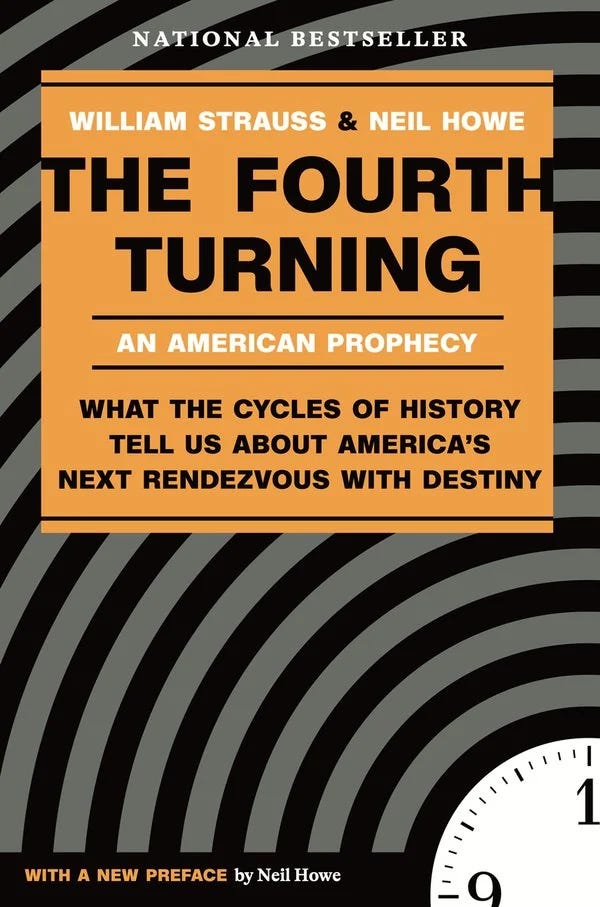
I remember hearing about The Fourth Turning in the early 2000s, reading the prediction and thinking to myself, what are they talking about? William Strauss and Neil Howe were pretty specific. Around 2005 they figured people’s trust in the political and economic institutions they lived by would start to come apart. About eighty years to a turn. [20] I pictured the sixties. From where I sit now that seems almost modest. In 1973 Luzviminda Francisco called the Philippine war “The First Vietnam.” She’d watched how long it took Americans to get interested in that history. About as long as it took us to need it again. [21]
What I read in Korea
I had this memory come back to me of serving in Korea, reading through the history books and marveling at how much we forgot about the Korean War. The American soldier in that story who didn’t know the half of it would be me. I could’ve gone on back home knowing next to nothing about Korea and still thought of myself as a man who knew his country.
Truman put out a statement on June 27, 1950, after North Korea invaded the South. You go in there to read about Korea. He’s sending American planes and ships to cover the South Korean troops. Okay. Keep going. There’s a whole sentence about strengthening our forces in the Philippines. Right underneath is another about speeding up aid to the French in Indochina. [22] Harry had all three on his desk the same morning.
In Korea I could read a book till I got to something I thought I knew, turn back a page and take another run at it. You ever try getting an elder to hurry up and get to the part you want? You’ll hear about a cousin you don’t know, what the man did for a living, which of his wives he was married to when this thing you want to know about happened. And somewhere in there you’ll hear the little piece you didn’t know you needed. Provided, of course, you’re still there.
There’s one more memo. In 1967 Walter Pforzheimer, curator of the CIA’s historical collection, recorded what two agency men had learned on a visit to Truman three years before. Truman’s aide David Noyes told them he’d drafted the column. Fair enough. Presidents have people who draft things for them. Then the curator ventured an opinion of his own. He doubted Truman had even seen the piece before it ran, since the former president was “beginning to age considerably.” There’s my opening line, practically on government stationery. [23]
The same memo has Truman defending some of the covert decisions his people had made. I’d have liked to hear more from the old man about that. In January 1964 he’d written his old intelligence adviser Sidney Souers about the column and called it “my article.” There’s a postscript on that letter. The office staff were off that day, Harry explained, so he had to fold and lick his own mail. [23] [24]
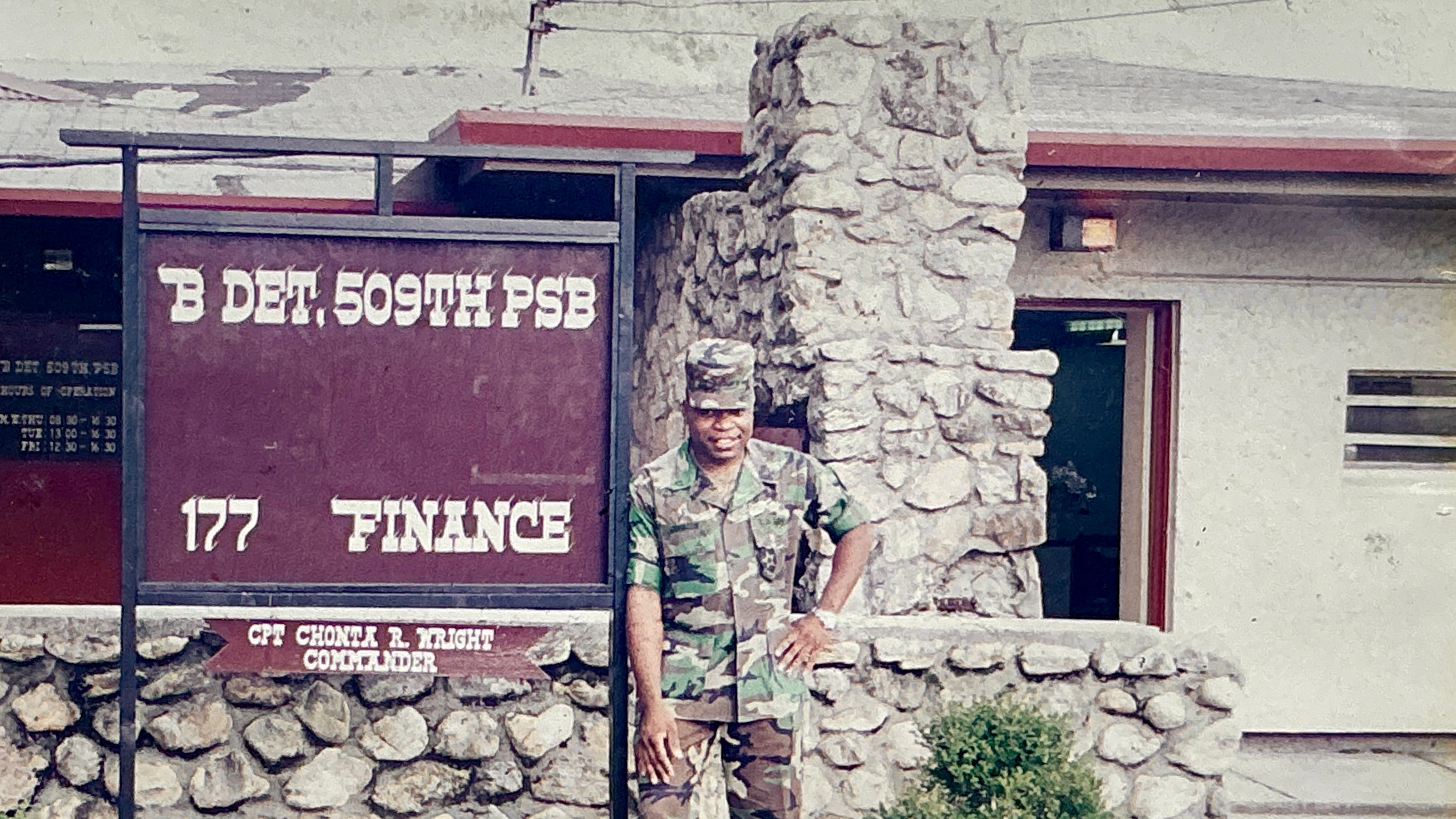
Back in Korea I had all the time in the world for a man who’d put his history in a book. I’d like to think if he’d pulled up a chair beside me I’d have put the book down. How far would I have let him get?
Paid readers are the sole reason that this retired cop can spend that kind of time on a race and keep the coverage free for everybody.
If you’ve been thinking about going paid, I’ve taken 50% off for Thanksgiving.
Help keep this desk independent for $40 a year.
Prefer monthly? No problem scroll left (or up on mobile) after clicking the button above and join for $4 a month.
The Blackout Evening Brief: STOCKS ARE COLLAPSING. Does the Bleeding Stop Monday?

The Blackout Evening Brief

Sources
John F. Kennedy Presidential Library, November 22, 1963, in Dallas
National Archives, Dwight D. Eisenhower’s farewell address, January 17, 1961
The Mossadegh Project, full syndicated column and contemporary newspaper facsimiles
San Francisco Chronicle, “Truman Blasts CIA,” December 27, 1963 (original clipping)
U.S. State Department, the Bay of Pigs invasion and its aftermath
National Security Archive, declassified records on Washington, Saigon and the plot against Diem
Associated Press, how the Bay of Pigs fed theories about Kennedy’s assassination
James N. Giglio, “Oliver Stone’s JFK in Historical Perspective,” American Historical Association
John McCone’s memorandum of his December 27 breakfast with Lyndon Johnson
Library of Congress, proceedings of the Chicago Liberty Meeting, April 30, 1899
National Park Service, Black Americans and the Philippine War
William Strauss and Neil Howe, The Fourth Turning, excerpt in Thom Hartmann’s 2004 review
Harry S. Truman, statement on Korea, the Philippines and Indochina, June 27, 1950
Walter Pforzheimer, memorandum on Truman’s remarks about the CIA, June 13, 1967 (original document)
Thomas F. Troy, “Truman on CIA,” including Truman’s correspondence with Sidney Souers
I'm sorry, maybe I'm just too stupid to follow this, but... what did Eisenhower & Truman actually say? I can't find any quotes in your article. I see the headline in the first picture; is "limit CIA role to intelligence" basically it?
I think the photo labeled Ngo Dinh Diem is actually Nguyen Van Thieu, but I could be wrong about that. It's a side shot.
It is really important to keep intelligence and operations apart. And within intelligence departments it's important to keep collection and evaluation apart, for the same reason. It's not easy. Collectors know their sources better than anyone else but get attached to them. Evaluators often get committed to their evaluations to the point that they ignore contrary evidence. Operators want to get results. It's really hard to achieve the proper balance.