

I Hate The News: The Archive Is the Battlefield
Civil rights gets indicted, public memory gets renovated, Black queer safety gets tested at the door, and culture keeps proving the story was never theirs to manage.
Introduction
Today’s brief is about institutions using neutral words to hide power.
Fraud. Renovation. Policy. Access. Coverage. These are the soft words that make hard things sound procedural. But underneath them sits the same old question: who gets protected, who gets documented, who gets translated, and who gets treated like a problem for asking?
TLDR
The Justice Department’s indictment of the Southern Poverty Law Center was framed as nonprofit wrongdoing, but civil rights leaders are reading it as part of a broader state assault on watchdog infrastructure [1]. ~~~~~~~~~~~~~~~~~~~~~~
The Kennedy Center “transparency” tour centered repairs while burying the political capture: Trump’s name, his chairmanship, taxpayer money, lawsuits, and staff cuts [2]. (reuters.com)
A Black lesbian archivist taking over New York City records matters because archives decide who survives in the public record, especially when Black, queer, and trans history is under attack [3]. (them.us)
WNBA media is learning late that women’s basketball is not just a product. It is Black, queer, laboring culture with its own codes of respect [5][12]. (them.us)
African storytelling, Black documentary work, Detroit art, HBCU sports pipelines, and Black music on the pitch all said the same thing today: the audience was already there [7][8][9][10][11]. (senalnews.com)
Restack this before the respectable people sand the edges off it and call it “a conversation.” Send it to one person who still wants the truth with the lights on.
If this brief already sharpened the room, don’t leave it as a compliment. Become a paid subscriber here:
Oh. Already subscribed? Money is too tight for a subscription? I get it. Just buy me coffee then.
Part I: The Five Ways They Tried to Fuck Us Over Today
1. The DOJ Put Civil Rights on Trial and Called It Donor Protection
The Justice Department has indicted the Southern Poverty Law Center, alleging fraud tied to paid informants inside extremist groups. Civil rights leaders, including the Leadership Conference on Civil and Human Rights, the NAACP, and the National Urban League, are not treating this like a clean nonprofit-accountability story. They are calling it a political attack on civil rights infrastructure [1]. ~~~~~~~~~~~~~~~~~~~~~~
The media failure is the easy frame: “SPLC accused of funding extremists.” That framing centers the allegation and buries the target. The SPLC has long been a hate-group watchdog. Its work has made it a conservative obsession for years. When the state describes anti-extremist surveillance as suspicious financial activity, the watchdog becomes the suspect and the wolf gets to act wounded.
Who benefits from that framing? Right-wing organizations and extremist networks that have wanted the SPLC discredited for years.
Why this matters.
If monitoring the Klan, neo-Nazis, and white supremacist groups can be repackaged as “supporting extremism,” then civil rights work itself becomes prosecutable by interpretation. That is not just a legal maneuver. That is a memory wipe with a badge.
2. They Sold the Kennedy Center Takeover as a Building Repair
Reuters reported that Kennedy Center officials staged a transparency push around renovations after Donald Trump added his name to the venue, became chairman, and moved into the details of a taxpayer-funded repair project. The frame presented to the public was infrastructure: crumbling systems, needed improvements, renovation questions [2]. (reuters.com)
That is not false. Buildings decay. The problem is what the repair frame softens. It buries the political capture of a major public arts institution, the lawsuits from preservation groups, uncertainty about changes, deep staff cuts, and the question of whether a civic cultural space is being remade in one man’s image.
Who benefits? The administration, the donor class, and anyone who wants public art reduced to plumbing, paint, and “move along, nothing to see here.”
Why this matters.
Repair is not the same thing as surrender. A public arts institution is not just a building. It is a national stage, a memory machine, and a symbolic microphone. Whoever controls the hall controls who gets invited to symbolize America.
3. They Treated the Archivist Like Representation, Not Infrastructure
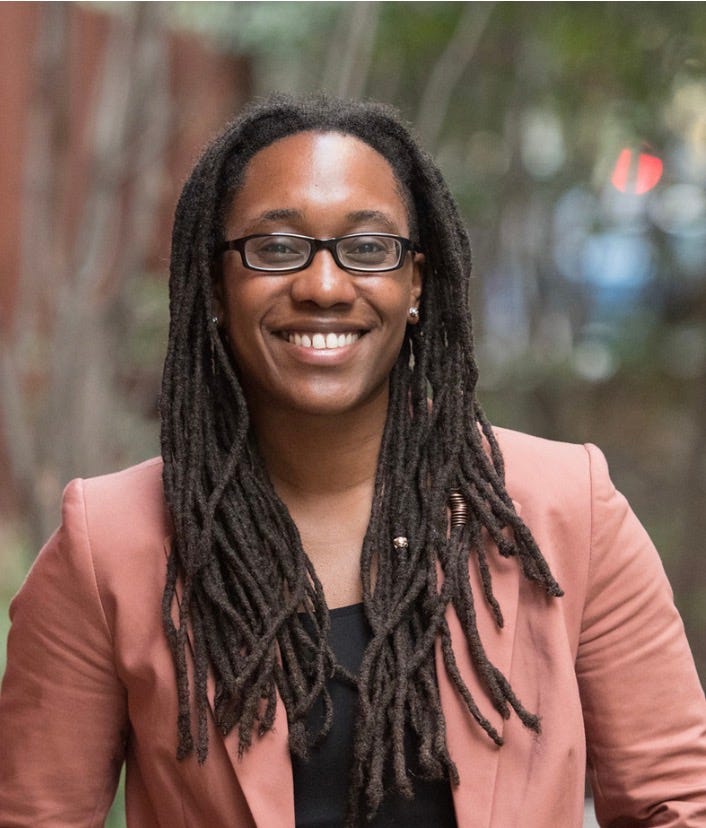
New York City Mayor Zohran Mamdani appointed Shawn(ta) Smith-Cruz, a Black lesbian librarian and archivist, to lead the Department of Records and Information Services, the agency that oversees city archives, records, and public access to government documents [3]. (them.us)
The lazy frame is “historic appointment.” The deeper frame is power. Archives are not dusty rooms full of neutral paper. Archives decide what survives, what disappears, what can be proven, and what a city is allowed to remember about itself.
The buried context is national: federal Stonewall materials were recently altered to remove or downplay trans references, and public records have become a battlefield over race, gender, sexuality, and state memory [3]. (them.us)
Why this matters.
A Black queer archivist in charge of the largest city’s records is not a diversity ornament. It is a material appointment over memory, access, and the paper trail power prefers to misplace.
4. A Gay Bar Reached for the Police Voice
PinkNews reported that Lauren, a Black trans woman, said she was kicked out of Soho, a gay bar in Ferndale, Michigan, after staff challenged her identification, gave shifting reasons, and allegedly threatened to call police. The bar has apologized and said the interaction “shouldn’t have happened” [4]. (thepinknews.com)
The weak frame is “ID dispute.” The truer frame is gatekeeping inside a space that markets itself as safe.
What got centered was the procedural drama at the door. What got buried was the old American ritual: a Black trans woman forced to prove she belongs while a crowd participates in her isolation. The police threat matters because it shows how quickly even queer spaces can borrow the state’s voice when Black trans presence becomes inconvenient.
Why this matters.
Safety is not a flag in the window. Safety is what happens when a Black trans woman is anxious, alone, and surrounded by people who know the language of liberation but not the practice.
5. WNBA Coverage Still Thinks Queer Culture Is a Side Quest
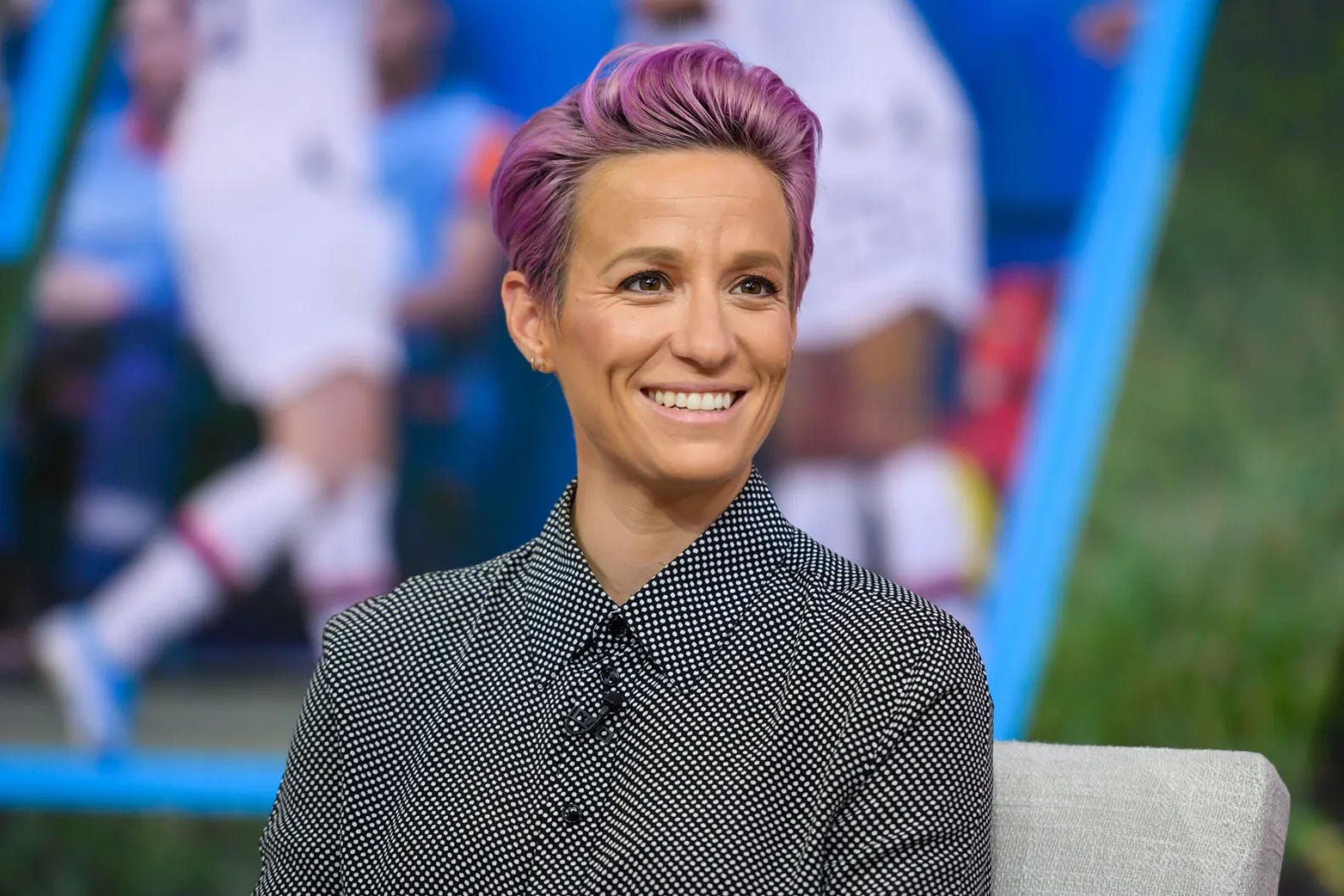
Megan Rapinoe criticized WNBA press coverage after a reporter asked draft pick Azzi Fudd about her relationship status with Paige Bueckers, arguing that modern women’s basketball coverage needs actual fluency in queer culture. The WNBA is a majority-Black league with a significant openly LGBTQ presence, and the culture around it cannot be covered like an awkward gossip sidebar [5]. (them.us)
The media failure is not simply that one question was clumsy. It is that old sports media still wants access to a culture it has not bothered to learn.
What gets centered is the spectacle: the viral moment, the awkward exchange, the fan debate. What gets buried is the ethical obligation to understand the world you are covering.
Why this matters.
The WNBA is not just expanding. It is being translated. Bad translation becomes extraction.
Part II: Entertainment
1. Michael Arrives, and the Estate Version Wants the Last Word
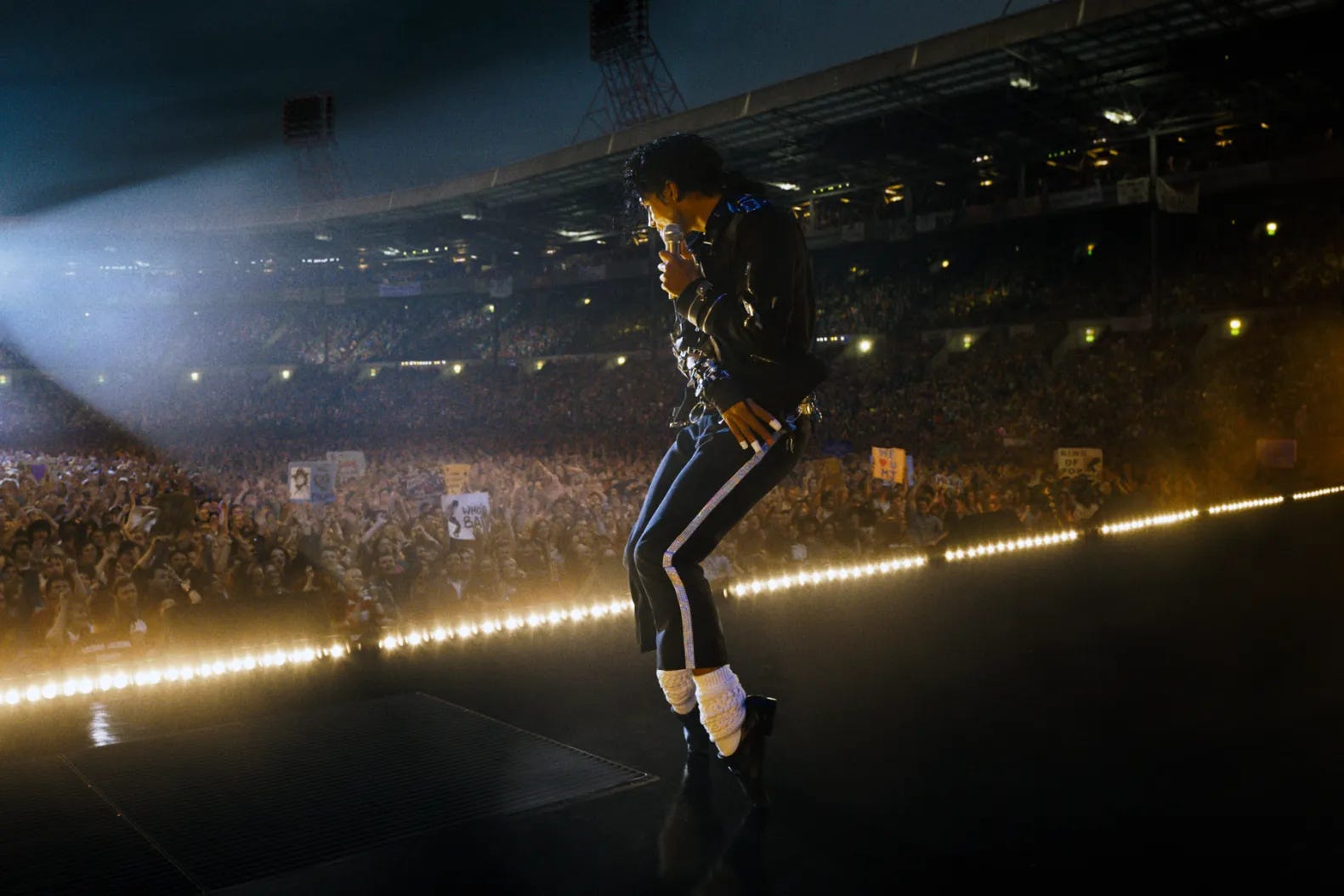
The new Michael Jackson biopic opened with renewed debate over what it leaves out. Reporting ahead of release noted that the film focuses on Jackson’s rise and earlier career while omitting later sexual abuse allegations, with legal constraints and estate involvement shaping what audiences see [6]. (washingtonpost.com)
This matters beyond fandom because Black genius is real, and image management is also real. Those two truths do not cancel each other out.
Why this matters.
A biopic is never just a movie. It is a fight over memory, money, family, harm, and ownership. The question is not whether Michael Jackson mattered. He did. The question is whether a film funded and shaped by legacy interests can show the whole cost of the myth.
2. African Storytelling Is Not a Charity Case. It Is an Undervalued Market.
A new entertainment landscape study from Next Narrative Africa Fund and Parrot Analytics argues that global demand for African stories is growing faster than supply, including a gap between demand and available non-English African storytelling [7]. (senalnews.com)
That matters because institutions love to treat Black global storytelling as “emerging” forever. Emerging is often the polite word for underfunded, underdistributed, and already watched by people who were never counted correctly.
Why this matters.
This is not about representation as decoration. This is about ownership, distribution, and who gets paid when Black imagination travels.
3. Documentary Film Keeps Doing the Work Newsrooms Pretend Is Too Complicated
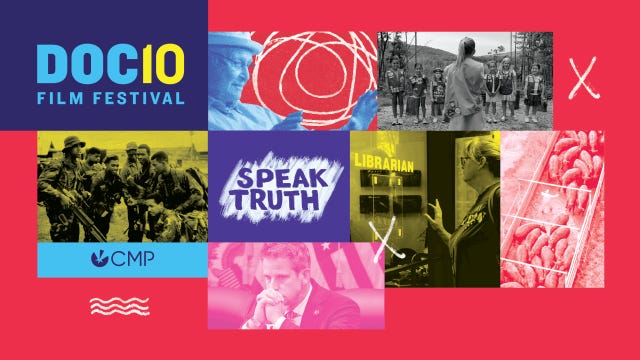
Chicago’s Doc10 festival returned with nonfiction films focused on perseverance, including stories about Gaza doctors, local immigration raids, Clarence B. Jones, and librarians fighting censorship [8]. (axios.com)
This is not entertainment fluff. It is counter-memory.
Why this matters.
When daily news turns suffering into fragments, documentary work tries to restore sequence, witness, and consequence. That is why power always eventually comes for the librarians, the archivists, the filmmakers, and the people who remember where the bodies were buried.
Part III: Arts
1. Olayami Dabls Finally Gets the Museum Retrospective the Work Already Earned
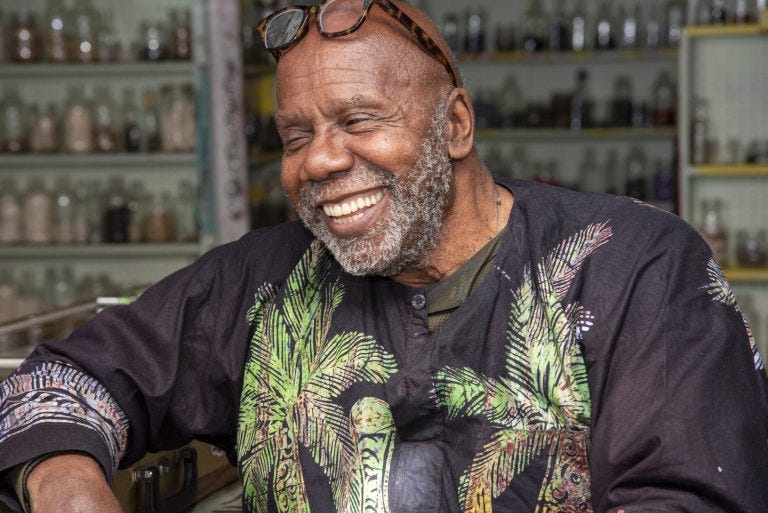
The Museum of Contemporary Art Detroit is presenting the first comprehensive museum retrospective for Detroit artist Olayami Dabls, known for work rooted in African material culture, assemblage, beads, mirrors, and public-facing Black cosmology [9]. (forbes.com)
This is not “discovery.” That word gets overused when institutions arrive late to Black genius.
Why this matters.
Dabls did not become important because a museum noticed him. The museum became more honest by recognizing what Detroit already knew.
2. The South Side Community Art Center Is Still Refusing to Become a Relic
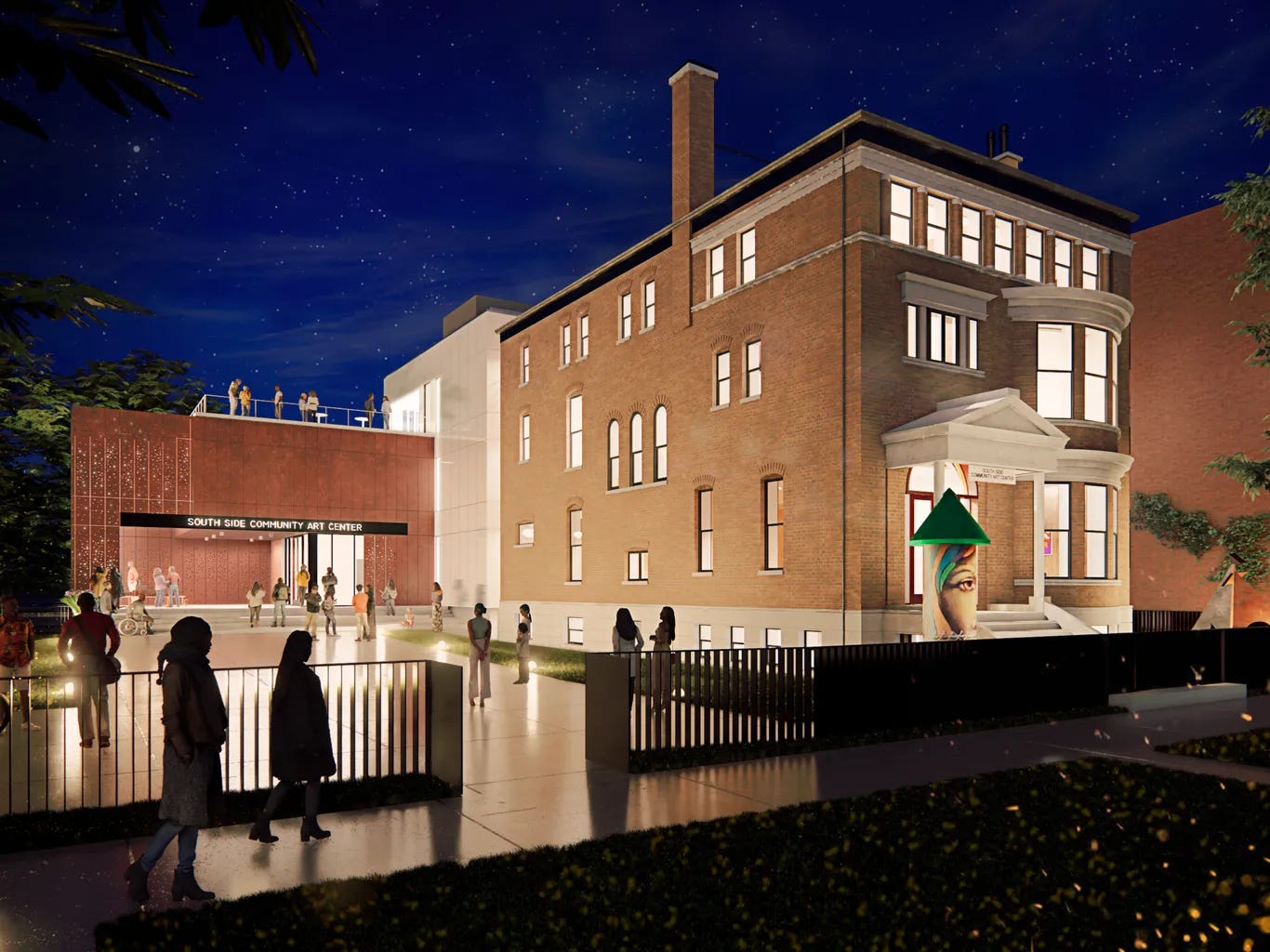
NewCity’s fresh look at Chicago’s South Side Community Art Center traces how a 1940 Black Renaissance institution became a living hub for Black cultural production, education, and continuity [10]. (art.newcity.com)
The cultural significance is simple: Black art institutions are not boutique nostalgia. They are survival schools.
Why this matters.
When Black art is detached from institutions built by Black people, it becomes easier to sell the object and erase the ecosystem. The South Side Community Art Center reminds us that the room is part of the work.
3. Black Music Is Already on the Pitch
The National Museum of African American Music and Black Players for Change launched “The Soundtrack of the Pitch,” a digital collaboration connecting Black musical traditions to soccer through curated profiles and playlists tied to Black players [11]. (nmaam.org)
This matters because sport loves Black rhythm while forgetting Black authorship. The stadium borrows the sound, the crowd borrows the chant, the broadcast borrows the vibe, and then everyone acts like the culture floated in from nowhere.
Why this matters.
Black music does not just hype the game. It carries memory into the game.
Part IV: Sports
1. The WNBA Got the TV Slate. Now the Media Has to Deserve the League.
The WNBA announced a record 216-game national television and streaming slate across ABC, ESPN, CBS, Amazon, ION, NBC, USA, NBA TV, and other platforms as the league enters its 30th season [12]. (apnews.com)
That is a business milestone. It is also a cultural test.
The league is getting more screens, more platforms, more advertising inventory, and more casual viewers. But if coverage expands without cultural literacy, the money will grow faster than the respect.
Why this matters.
A majority-Black, visibly queer, laboring women’s league cannot be covered as if it is merely a new content vertical. Visibility without understanding is just extraction in HD.
2. Rajah Caruth Took NASCAR Back to the HBCU Classroom
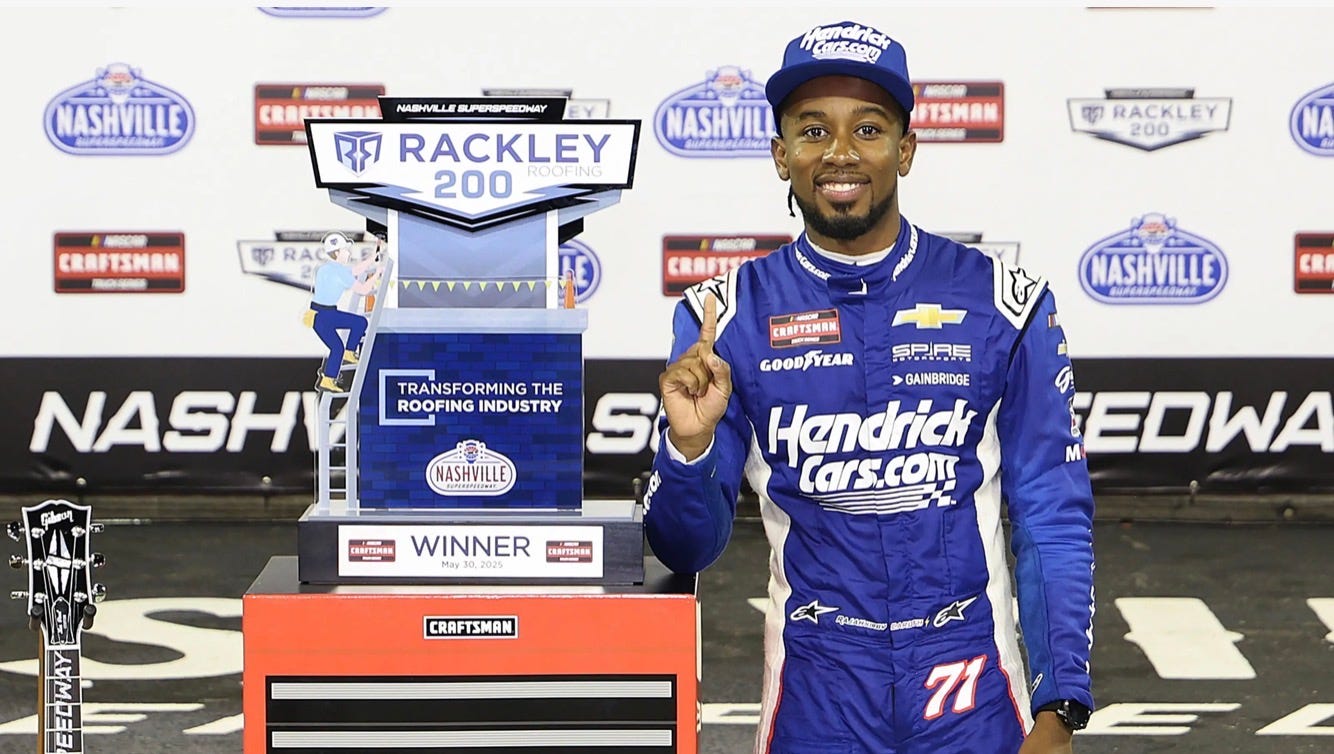
Rajah Caruth, a professional stock car driver and Winston-Salem State University graduate, visited Howard University students to discuss his path through NASCAR, HBCU life, and the need for platforms that push student athletes and students into larger opportunity [13]. (hunewsservice.com)
This matters because NASCAR has long been coded as white, Southern, corporate, and culturally closed. Caruth’s presence at Howard reframes the sport as a place where Black ambition can show up without asking permission.
Why this matters.
Representation is not just who appears on the track. It is who gets to imagine the track was available to them in the first place.
3. Black Players for Change Is Turning Soccer Culture Into Cultural Memory
The “Soundtrack of the Pitch” collaboration with the National Museum of African American Music places Black soccer players inside a broader lineage of Black sound, style, and cultural production [11]. (nmaam.org)
That matters beyond the sport because soccer in America is still negotiating who gets to define its cool, its crowd, its soundtrack, and its future.
Why this matters.
Black culture does not decorate American sports. It teaches American sports how to feel.
Closing
Today they tried to make lawfare sound like ethics. They tried to make institutional capture sound like renovation. They tried to make Black queer gatekeeping sound like a door policy. They tried to make bad sports coverage sound like a harmless awkward moment.
But then life broke through.
A Black lesbian archivist took hold of a city’s memory. Detroit art refused to wait for permission. African storytelling showed the market what the market pretended not to know. Black documentary work kept receipts. Black athletes walked into classrooms, museums, stadiums, and broadcasts carrying more history than the institutions knew how to name.
That is the brief.
The manipulation is real. So is the proof of life.
Keep This Thing Alive
You know what to do.
Restack this before somebody with a better suit and worse instincts turns the same idea into a panel discussion called “America at a Crossroads.” Send it to the friend who keeps saying they hate the news but somehow still wants to know who is lying, who is laundering, and who is walking away with the furniture.
And if this brief did what it was supposed to do, become a paid subscriber here:
That is the grown-up move. That is how this keeps going. That is how one person with a keyboard, a bad attitude, and a suspicious relationship with sleep keeps showing up with receipts.
Then, if a paid subscription is not in the cards today, buy the coffee. Because after all this labor, walking out without leaving at least $5 is between you, your conscience, and whatever little committee in your spirit convinced you this much work runs on compliments.
Sources
AP News: Indicted Southern Poverty Law Center receives civil rights groups’ support and preps for a fight: Fresh reporting on civil rights leaders’ response to the DOJ indictment of the Southern Poverty Law Center and the broader political stakes. ~~~~~~~~~~~~~~~~~~~~~~
Reuters: Kennedy Center officials pledge transparency on renovations after Trump takeover: Reporting on the Kennedy Center renovation tour, Trump’s role, taxpayer funding, lawsuits, and institutional uncertainty. (reuters.com)
Them: Zohran Mamdani Appoints Black Lesbian Librarian as Chief Keeper of NYC Records: Reporting on Shawn(ta) Smith-Cruz’s appointment and the stakes of public archives, records access, and queer historical memory. (them.us)
PinkNews: Black trans woman kicked out of gay bar in discrimination row that “shouldn’t have happened”: Reporting on Lauren’s alleged discrimination at a Michigan gay bar and the bar’s apology. (thepinknews.com)
Them: Megan Rapinoe Calls Out WNBA Press Coverage for Missing “Nuance” of Queer Culture: Reporting on Rapinoe’s criticism of WNBA press coverage and the need for queer cultural literacy in women’s sports media. (them.us)
The Washington Post: What the Michael Jackson movie leaves out: Reporting on the Michael Jackson biopic’s scope, omissions, legal constraints, and estate involvement. (washingtonpost.com)
Señal News: African storytelling, an undervalued global opportunity: Reporting on the Next Narrative Africa Fund and Parrot Analytics study on demand, supply gaps, and investment opportunities in African storytelling. (senalnews.com)
Axios Chicago: Chicago Doc10 fest features powerful stories of perseverance: Reporting on Doc10’s documentary lineup, including films on Gaza doctors, immigration raids, Clarence B. Jones, and anti-censorship librarians. (axios.com)
Forbes: First Comprehensive Museum Retrospective For Detroit Artist And “Bead Man” Olayami Dabls: Reporting on Olayami Dabls’ first comprehensive museum retrospective at the Museum of Contemporary Art Detroit. (forbes.com)
NewCity Art: How the South Side Community Art Center Grew from an Icon of the Black Renaissance to a Vital and Expanding Force: Reporting on the South Side Community Art Center’s history, cultural role, and continuing educational mission. (art.newcity.com)
National Museum of African American Music: The Soundtrack of the Pitch: Official information on the NMAAM and Black Players for Change collaboration connecting Black music traditions and soccer culture. (nmaam.org)
AP News: WNBA sets record 216-game TV and streaming slate: Reporting on the WNBA’s expanded national broadcast and streaming schedule for its 30th season. (apnews.com)
Howard University News Service: In the Fast Lane: Rajah Caruth Pays Howard University Students A Visit: Reporting on Rajah Caruth’s Howard University visit, his HBCU background, and Black opportunity in motorsports. (hunewsservice.com)
Trump & his goons like Miller & Patel have a stake in destroying civil rights organization that exposed their ties to domestic extremist groups such including those that carried out a terrorist attack on the U.S. Capitol on J6. Trump regime’s revenge campaign is based in fraud & propaganda. https://defiance.substack.com/p/in-trumps-america-fighting-back-against?utm_campaign=post&utm_medium=emailhttps://www.youtube.com/watch?v=BFJFdVle1ho