

I Hate The News 5-5-2026
A Daily Brief on Distortion, Erasure, and Survival
I Hate The News: Procedure Wore A Nice Suit
The court called it timing, the agencies called it compliance, the museum called it patronage, and the culture kept asking why the bodies doing the work had to keep proving they were human.
Introduction
Today’s brief is about institutions dressing power in polite words.
Timing. Compliance. Privacy. Funding. Patronage. Access. Visibility. These are the soft words that make hard things sound civilized. But underneath them sits the same old question: who gets protected by procedure, who gets hunted by procedure, who gets archived, who gets priced out, and who gets turned into content after doing the labor?
TLDR
The Supreme Court let a Voting Rights Act ruling take effect early, helping Louisiana Republicans move toward a new congressional map after a decision that struck down a second Black-majority district. The buried frame is Black voting power being treated like a technical defect. [1]
Federal civil-rights language got flipped into a weapon against trans students and LGBTQ content, with Smith College and 36 Illinois school districts pushed into investigative crosshairs. The deeper frame is protection language being used to police belonging. [2][3][4][5]
Met Gala week turned into a split-screen sermon: Bezos money inside, Amazon labor outside. The people who move the packages staged the better fashion show. [6]
Arts funding and museum politics showed the same old bargain: institutions praise culture while the state squeezes access, programming, and DEI out of the room. The archive is still the battlefield. [7][11][12][13][14][15]
Sports gave the day its proof of life, from Tina Charles’s retirement to Tennessee State landing a former five-star transfer to WNBA stars walking into fashion’s most policed room like they owned oxygen. The game keeps revealing who America thinks deserves a stage. [18][19][20][21]
Restack this before the respectable people sand the edges off it and call it “a conversation.” Send it to one person who still wants the truth with the lights on.
If this brief already sharpened the room, don’t leave it as a compliment. Become a paid subscriber here:
A Quick Update From The One-Person Newsroom
First, thank you to everyone who responded to yesterday’s urgent ask. Some of you subscribed. Some of you sent coffee money. Some of you restacked the message. Some of you just showed up and made this thing feel a little less like one man yelling into a burning file cabinet.
Here is where it stands.
Raised: $310
Remaining: $1,190
That means we made a real dent. It also means the emergency is not over.
This brief is what the support produces. Not vibes. Not branding. Not a someday dream with a pretty logo. This right here: research, receipts, cultural memory, sharp framing, and a daily refusal to let powerful people launder the truth in clean institutional language.
The best move is still a paid subscription. That keeps the floor under the work instead of making every crisis feel like a fire drill.
Already subscribed? Money too tight for a subscription? I get it. Then help close the remaining $1,190 gap with a one-time coffee contribution.
And if money is not possible today, restack this with one honest sentence about why this work matters. That is not nothing. That is oxygen.
Part I: The Five Ways They Tried to Fuck Us Over Today
1. They put Black voting power on fast-forward so the map could bleed quietly
On May 4, the Supreme Court allowed a ruling weakening a key part of the Voting Rights Act to take effect ahead of schedule, bolstering Louisiana Republicans as they pursue a new congressional map before the November midterm elections. Reuters reported that the underlying 6-3 decision struck down a map that had given Louisiana a second Black-majority congressional district. [1]
The weak frame is timing. The deeper frame is a legal calendar being used as a machine for reducing Black electoral power while pretending the machine is neutral.
Who benefits? The faction trying to keep congressional control benefits. The polite word is procedure. The material result is a Black community watching representation get reclassified as an emergency problem.
Why this matters.
Voting rights fights are often covered like crossword puzzles for lawyers. But maps are memory. Maps decide whose neighborhood gets translated into power and whose neighborhood becomes statistical fog.
When Black voting power gets treated like a mapmaking inconvenience, democracy is not being refined. It is being redrawn around Black absence.
2. They called trans women at Smith a Title IX problem and called that civil rights
AP reported that the Education Department opened an investigation into Smith College, an all-women’s institution in Massachusetts, for admitting transgender women. The department said the probe will examine whether Smith violated Title IX, while its official press release described trans women as “biological men” in women-only spaces. [2][3]
The lazy frame is a women’s college compliance dispute. The deeper frame is civil-rights enforcement being repurposed to define womanhood by federal permission slip.
This is not just Smith. It is an attempted symbolic raid on the idea that marginalized women can name themselves inside an institution built for women.
Why this matters.
Institutions like Smith are not perfect sanctuaries. No college is. But when the state enters under the banner of women’s protection while targeting trans women, the protection frame becomes a trap.
Bad translation becomes extraction. Call a woman a threat often enough and bureaucracy starts to sound like a weapon with carpeting.
3. The Justice Department took a school curriculum fight and made it sound like rescue
The Justice Department announced that its Civil Rights Division had launched investigations into 36 Illinois public school districts to determine whether they teach sexual-orientation and gender-identity content in pre-K-12 classes and whether parents have opt-out rights. Local reporting from The Telegraph identified Gillespie as one of the districts and framed the review as an investigation into Title IX and SOGI policies, not a finding of violation. [4][5]
The weak frame is parental notice. The deeper frame is a national culture war being pushed through local school districts, then laundered as civil-rights administration.
Who benefits? The political movement that wants every classroom to become a border checkpoint for gender and sexuality benefits. It gets to make teachers defend ordinary human reality like contraband.
Why this matters.
“Parents’ rights” can sound tender until it becomes a subpoena with a backpack. The issue is not whether parents matter. The issue is who gets turned into the danger that parents need protection from.
When LGBTQ existence becomes opt-out content, the state has already decided whose childhood counts as normal.
4. Bezos money walked into the Met. Amazon labor brought the receipts to the sidewalk
The Guardian reported that Labor is Art, a group bringing together Amazon workers, unions, and supporters, staged a fashion show before the Met Gala to protest Jeff Bezos and Amazon. The protest came as Bezos and Lauren Sánchez Bezos were honorary chairs after a reported $10 million donation. [6]
The shallow frame is celebrity controversy at the Met. The deeper frame is patronage laundering, where the money enters through the velvet rope and the labor that made the money has to yell from the curb.
The workers understood the assignment better than half the room. The gala said fashion is art. The protest said labor is art. Funny how the second sentence sounded more expensive.
Why this matters.
Culture loves a billionaire when the check clears. Museums love a gift when the plaque shines. But every gift has a ghost behind it.
If the worker has to stand outside the temple to explain how the temple was funded, the temple is already preaching.
5. They cut the public arts floor and told everybody the market would catch them
Center for Art Law published a May 4 analysis tracking the shrinking legal and economic landscape of federal arts funding, noting that arts and cultural industries generated $1.2 trillion in 2023 and more than five million jobs, while recent executive action and funding reductions have affected public media, museums, accessibility programs, students, rural communities, older adults, veterans, and DEI-related activity. [7]
The weak frame is budget discipline. The deeper frame is state power deciding which cultural institutions survive, then pretending the market is a neutral rescue boat.
Who benefits? Wealthy donors, private foundations, prestige boards, and corporate sponsors benefit, because public culture becomes more dependent on private permission.
Why this matters.
Public arts funding is not just about paintings and galas. It is about who gets access to memory when they do not have donor money, legacy admissions, or a family name carved into limestone.
When public culture gets starved, the rich do not lose culture. The public loses its right to enter the room.
Part II: Entertainment
1. Anok Yai turned the Met carpet into a Black Madonna sermon
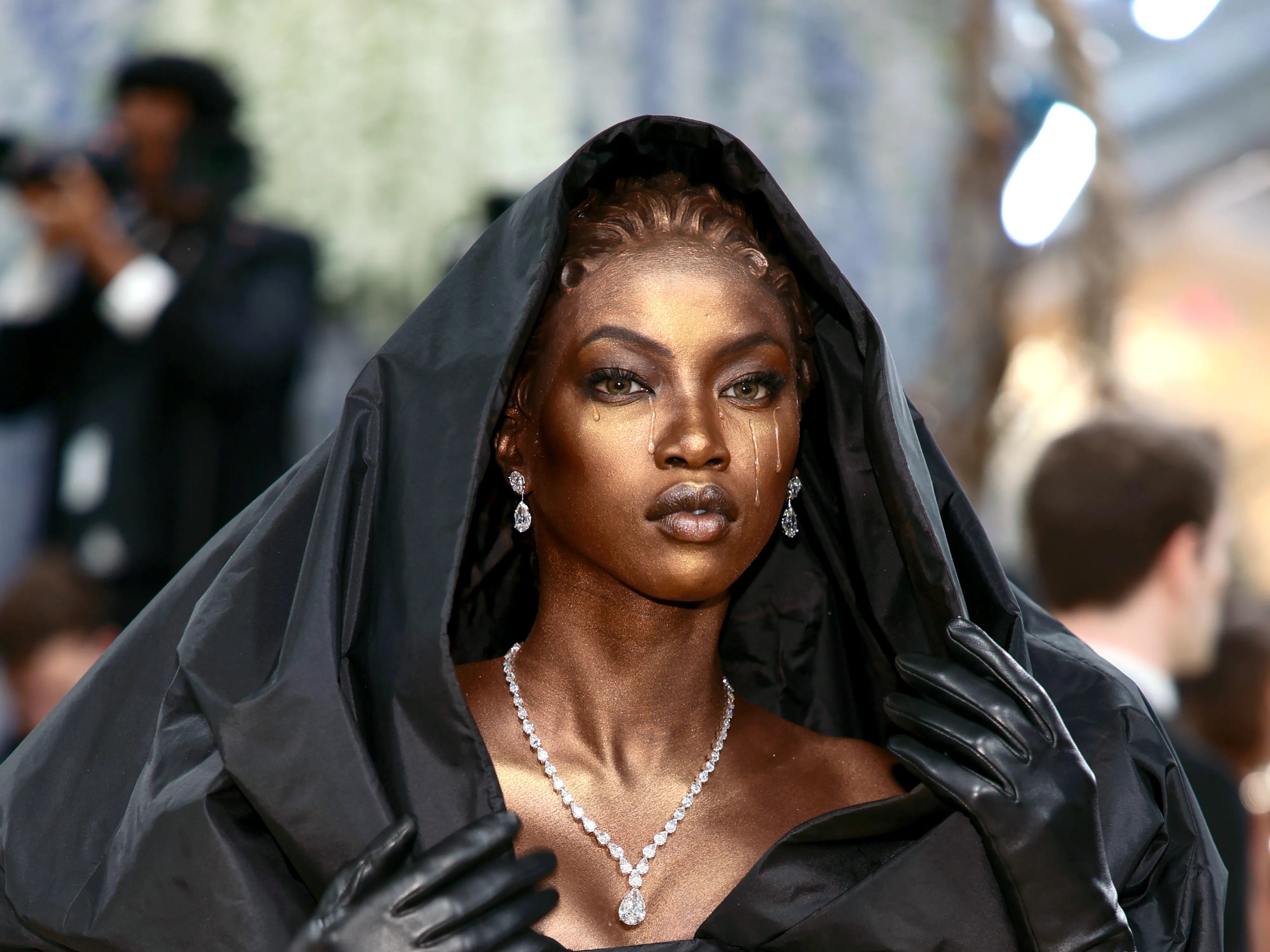
Vogue reported that Anok Yai worked with Balenciaga creative director Pierpaolo Piccioli on a Black Madonna-inspired 2026 Met Gala look, with Yai saying she wanted to send a message of hope in the current political climate. [8]
The lazy frame is a model having a strong red-carpet moment. The deeper frame is a Black woman using a luxury fashion spectacle to pull sacred Black imagery into a room built to turn bodies into commodities.
Why this matters.
The Met carpet is not just a carpet. It is a ritual stage where celebrity, money, fashion, photography, and institutional prestige try to decide what kind of body gets called art.
Yai did not just wear the theme. She argued with the room.
2. Color Me Country put Black women back inside a genre that keeps acting confused
Candlewick released Color Me Country: A Celebration of Black Women Who Shaped Country Music on May 5. Edited by Kelly McCartney and Rissi Palmer and illustrated by Rhiannon Giddens, the book spotlights artists including Linda Martell, Sister Rosetta Tharpe, Odetta, Tina Turner, the Pointer Sisters, Valerie June, Mickey Guyton, and Our Native Daughters. [9]
The weak frame is a children’s music-history book. The deeper frame is counter-memory for a genre that keeps selling Black influence while acting startled when Black women walk back into the room.
Why this matters.
Country music has spent generations pretending its roots are whiter than its sound. A book for young readers is not small. It is an archive before the gatekeepers can get to the child.
That matters because the child who learns the root does not have to beg the branch for permission.
3. Tre Johnson’s Black Genius refused to let the culture be footnotes
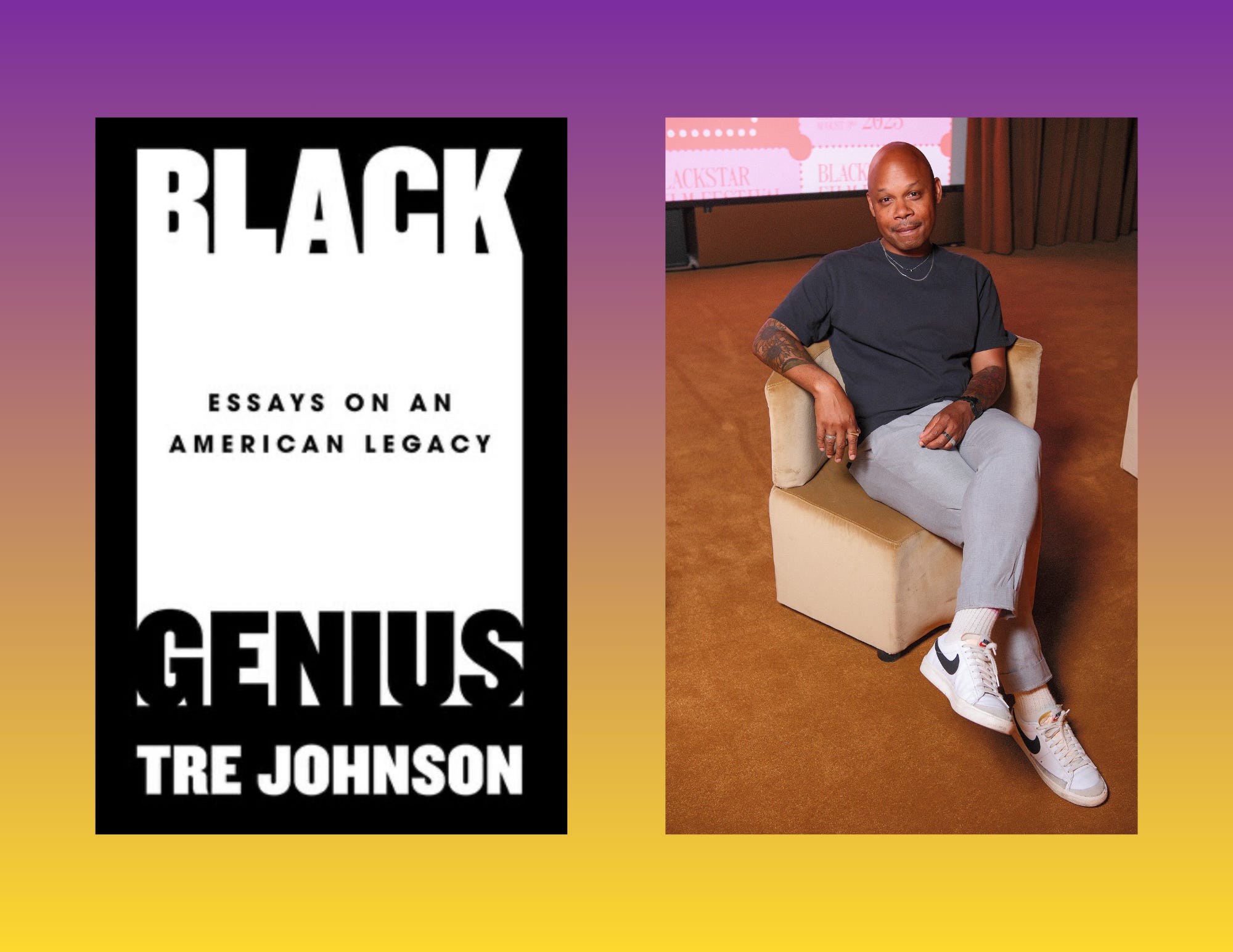
Spotlight PA reported that writer and culture critic Tre Johnson’s essay collection Black Genius: Essays on American Legacy interweaves personal stories, pop culture, and American history to argue for the brilliance of Black culture in everyday life, from airbrushed tees to Dick Gregory. [10]
The lazy frame is a book-club pick. The deeper frame is Black cultural intelligence being named as genius before the academy can downgrade it into influence.
Why this matters.
America loves Black culture most when it can call it vibe, slang, cool, style, content, or seasoning. Genius is harder to steal because genius implies authorship.
Black culture is not America’s background music. It is one of America’s operating systems.
Part III: Arts
1. The Met put fashion upstairs, then accidentally exposed who gets to buy the staircase
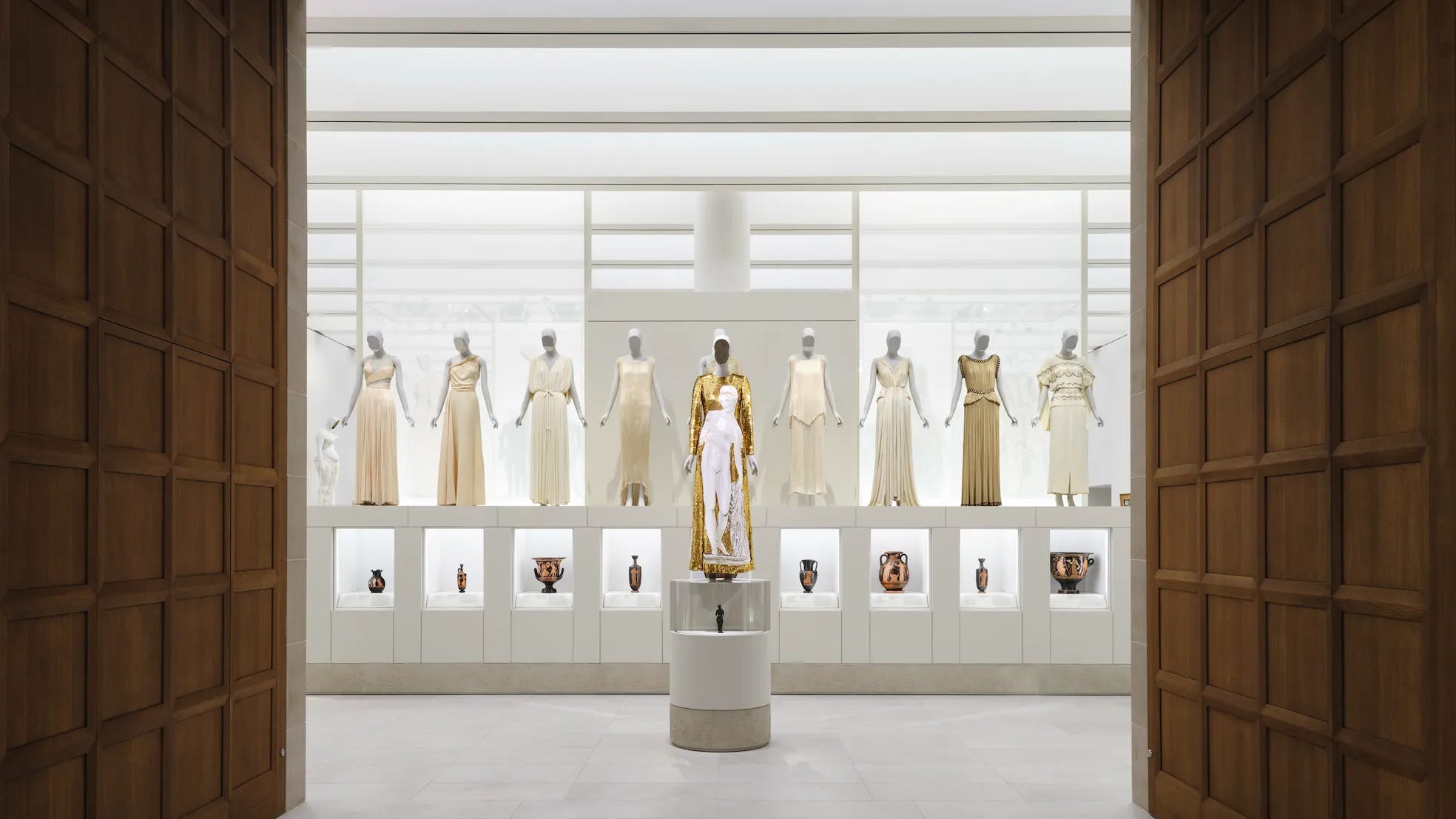
The Guardian reported that the Costume Institute’s new 12,000-square-foot home, the Condé M. Nast Galleries, sits right off the Met’s Great Hall and elevates fashion exhibitions from the basement into a more prominent museum position. The Met says Costume Art will inaugurate the nearly 12,000-square-foot galleries and feature nearly 400 objects pairing garments with artworks across the museum’s collection. [11][12]
The generous frame is that fashion finally gets treated as art. The deeper frame is institutional hierarchy getting rearranged in public while donor power still decides whose name gets attached to the walls.
Why this matters.
Fashion absolutely belongs in the museum. The dressed body is a serious archive. But the room matters too. Who funds the room? Who names the room? Who gets access before the public? Who becomes the body on display?
The archive is the battlefield, but the floor plan is evidence.
2. Lubaina Himid stormed the pavilion after a career of being told there was no such thing as a Black artist
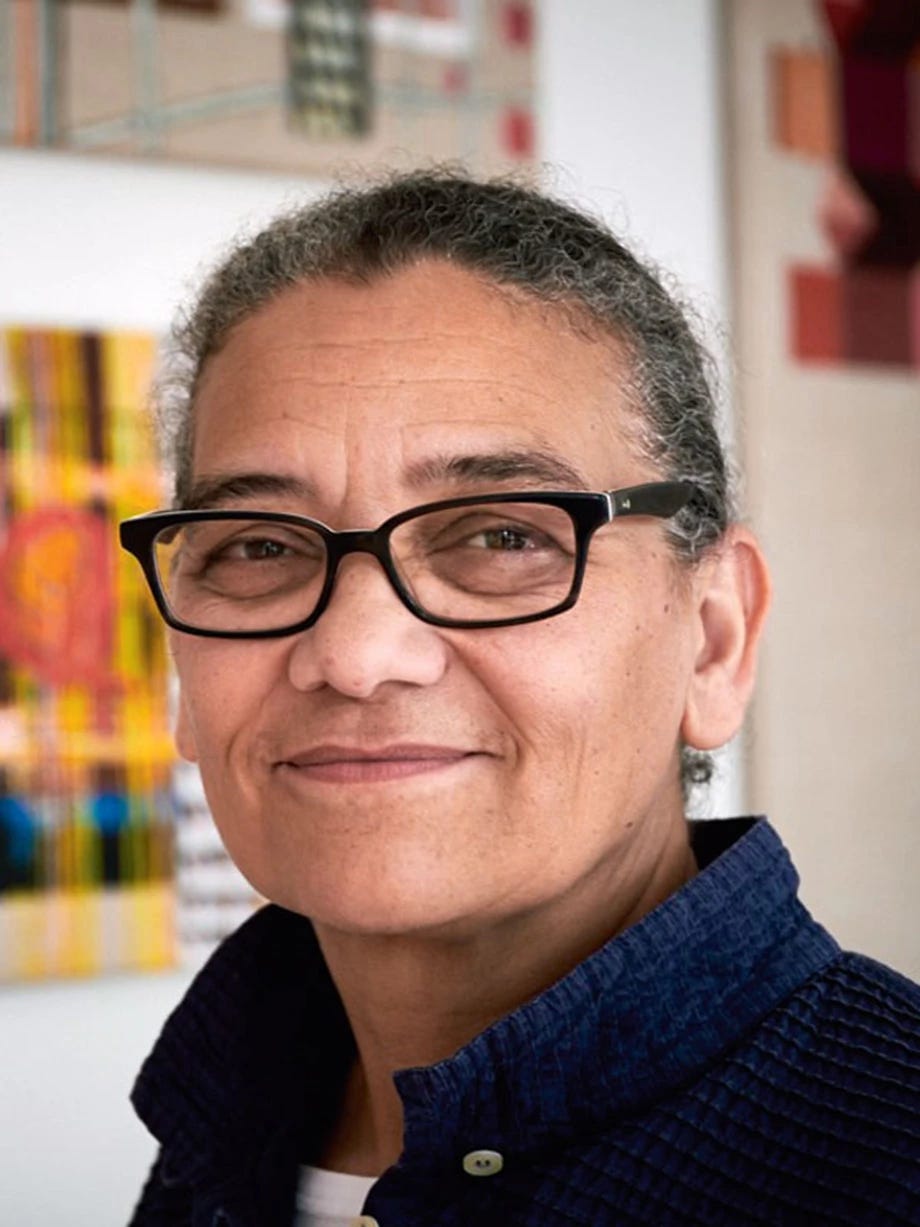
The Guardian reported that Lubaina Himid will represent Britain at the Venice Biennale, completing a recent trio of Black British artists from the same generation to take the British Pavilion, alongside Sonia Boyce and John Akomfrah. The report also notes that Himid spent years being shunned by major curators, fought tutors who denied the existence of Black artists, and did not receive major mainstream institutional attention until later in her career. [13]
The weak frame is late-career recognition. The deeper frame is an institution finally opening the front door after making the artist build her own weather system outside.
Why this matters.
Late recognition is not a fairy tale. It is a receipt. It says the artist was not late. The institution was slow, scared, provincial, and allergic to the future.
When the margin becomes the pavilion, the center does not become generous. It becomes exposed.
3. The Smithsonian’s African LGBTQ show finally opened, which is both joy and evidence
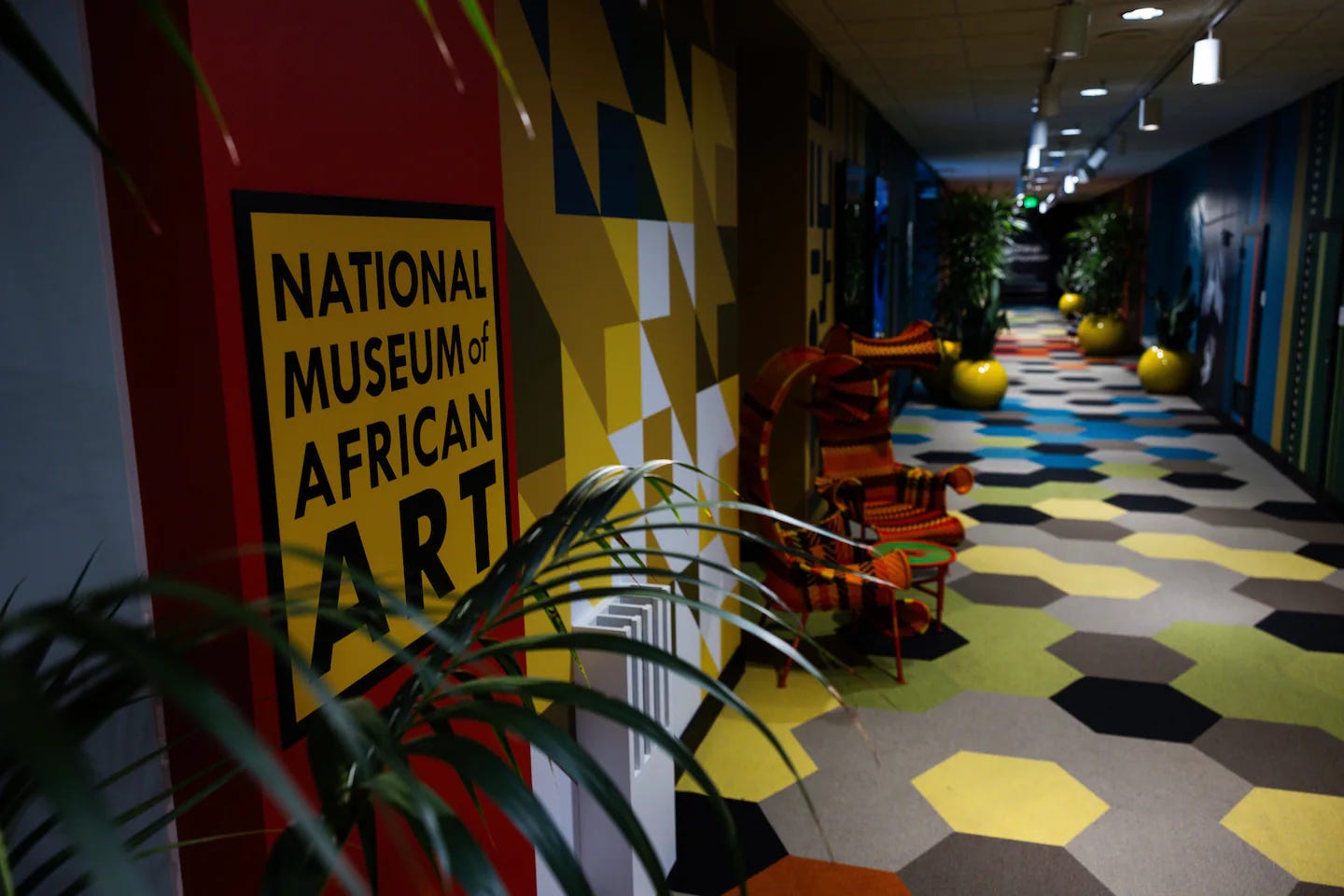
The Washington Post reported that Here: Pride and Belonging in African Art, the Smithsonian’s first major exhibition of African LGBTQ+ artists, is now open after being abruptly postponed from its earlier WorldPride timing. The Smithsonian describes the exhibition as the largest of its kind to date, featuring nearly 60 works based on years of collaboration with artists and communities across Africa and its diaspora. [14][15]
The weak frame is exhibition news. The deeper frame is queer African and diasporic artists refusing the lie that belonging is a Western import or institutional favor.
Why this matters.
This is not simply representation. This is public memory correcting a record that has often treated African queerness as absence, scandal, or foreign contamination.
To say “we are here” in a museum is not decoration. It is counter-erasure under glass.
Part IV: Sports
1. Tina Charles retired with the numbers and the receipts

CT Insider reported that Tina Charles announced her retirement on May 5 after a WNBA career that ends with her as the league’s all-time leading rebounder, with 4,262 rebounds, and its second all-time leading scorer, with 8,396 points. She also retires as an eight-time All-Star, 2012 MVP, 2010 Rookie of the Year, three-time Olympic gold medalist, and a leader whose Hopey’s Heart Foundation has placed more than 500 AEDs around the country. [18]
The lazy frame is that she retired without a WNBA title. The deeper frame is a Black woman’s athletic legacy being larger than the one achievement sports media uses when it wants to shrink a career.
Why this matters.
Charles leaves with numbers, community work, longevity, and a body of evidence that cannot be reduced to a ring argument at the sports-bar table.
Legacy is not always a trophy case. Sometimes legacy is a record book and a defibrillator on the wall.
2. Tennessee State landed a former five-star and the HBCU pipeline got louder
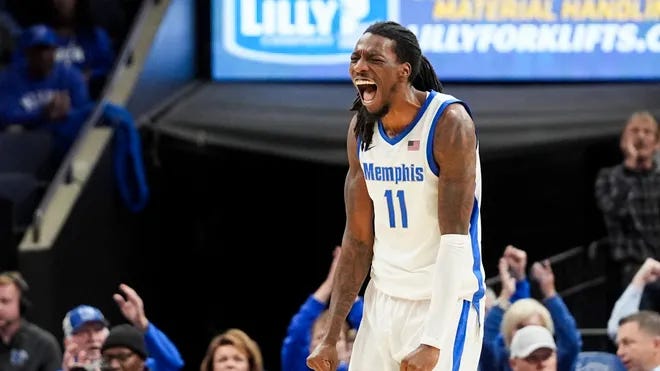
HBCU Sports reported that 7-foot-1 Aaron Bradshaw, a former five-star recruit who played at Kentucky, Ohio State, and Memphis, has committed to Tennessee State. The move comes after Tennessee State won the Ohio Valley Conference tournament and made its first NCAA tournament appearance since 1994. [19]
The weak frame is transfer-portal trivia. The deeper frame is an HBCU program making the market admit that talent can choose history, visibility, and mission without calling it a step down.
Why this matters.
HBCU sports are too often covered as heritage, band culture, or underdog nostalgia. But recruiting is power. Facilities are power. Coaching is power. Visibility is power.
When a former five-star picks Tennessee State, the pipeline does not whisper. It talks back.
3. Sports is no longer just the game. It is the runway, the rental, and the access economy

CT Insider reported that Paige Bueckers joined Angel Reese and A’ja Wilson among the WNBA stars at the 2026 Met Gala, while Airbnb announced new FIFA World Cup 2026 fan experiences including training with former pros, custom jersey sessions, podcast access, and a Rio Ferdinand-hosted quarter-final getaway. [20][21]
The weak frame is fun celebrity crossover and fan experience. The deeper frame is sports being converted into an access economy where proximity, image, content, and scarcity are sold around the game itself.
Why this matters.
The athlete is no longer just performing inside the lines. She is a media property, a fashion object, a brand partner, a cultural signal, and often the only person in the whole machine expected to remain grateful.
The game still matters. But the room around the game is where the money teaches itself new tricks.
Closing
Today they tried to make lawfare sound like timing. They tried to make anti-trans pressure sound like women’s safety. They tried to make school surveillance sound like parental notice. They tried to make billionaire museum money sound like patronage. They tried to make arts funding cuts sound like discipline.
But then life broke through.
Anok Yai carried sacred Black imagery into the Met and made the photographers bow without knowing it. Rhiannon Giddens helped put Black women back into country music’s children’s archive. Tre Johnson called Black genius by its name. Lubaina Himid took the pavilion. Queer African artists made the Smithsonian say here. Tina Charles left the game with numbers and public service. Tennessee State reminded the portal that HBCU ambition is not a side road.
And even while the money men were trying to buy the room, public memory kept doing its ordinary, stubborn work. The Studio Museum in Harlem had an Arts & Minds access program on May 5, and the National Museum of African American History and Culture hosted free walk-in tours around Cultural Expressions and the Point of Pines Plantation Slave Cabin. [16][17]
That is the brief.
The manipulation is real. So is the proof of life.
Keep This Thing Alive
Ya’ll know whats to do
Restack this before somebody with a better suit and worse instincts turns the same idea into a panel discussion called “America at a Crossroads.” Send it to the friend who keeps saying they hate the news but somehow still wants to know who is lying, who is laundering, and who is walking away with the furniture.
And if this brief did what it was supposed to do, become a paid subscriber here:
That is the grown-up move. That is how this keeps going. That is how one person with a keyboard, a bad attitude, and a suspicious relationship with sleep keeps showing up with receipts.
Yesterday I put out an urgent ask because the math got real. As of now, readers have helped raise $310. That matters. I am grateful for every dollar, every subscription, every restack, every person who refused to treat independent work like it runs on applause and tap water.
But the remaining gap is still $1,190.
So yes, go paid if you can. Annual is better if you can swing it, because it gives this operation a floor instead of forcing me to rebuild the floor every damn week.
Then, if a paid subscription is not in the cards today, help close the emergency gap with coffee. Because after all this labor, walking out without leaving at least $5 is between you, your conscience, and whatever little committee in your spirit convinced you this much work runs on compliments.
And if you truly cannot give money today, restack it. Put a sentence on it. Tell people why this should keep existing.
The goal is simple: close the remaining $1,190 gap and keep the work moving.
Sources
Reuters: US Supreme Court lets Voting Rights Act ruling take effect ahead of schedule: Reporting on the Supreme Court order, the Louisiana map fight, and the Voting Rights Act stakes.
AP News: Education Department opens probe into Smith College for admitting trans women: Reporting on the federal investigation into Smith College and the Trump administration’s broader trans-rights posture.
U.S. Department of Education: U.S. Department of Education Opens Title IX Investigation into All-Women’s Smith College for Admitting Men: Primary source for the official department framing and Title IX investigation language.
U.S. Department of Justice: Justice Department Launches Investigations Concerning Gender Ideology in Pre-K-12 Schools in 36 Illinois School Districts: Primary source for the 36-district Illinois investigation announcement.
The Telegraph: DOJ probes Gillespie, 35 Illinois districts over Title IX and SOGI policies: Local reporting identifying Gillespie and giving district-level context.
The Guardian: Activists stage fashion show before Met Gala in rebuke to Bezos and Amazon: ‘the people behind the smile’: Reporting on Labor is Art, the Amazon-worker protest, and the Bezos patronage controversy around the Met Gala.
Center for Art Law: Endowments for the Arts: Shrinking Legal and Economic Landscape of Federal Arts Funding: Analysis of federal arts funding, executive action, economic impact, museum strain, and DEI-related restrictions.
Vogue: Anok Yai Sent a Message at the Met Gala 2026 With Her Balenciaga “Black Madonna” Look: Reporting on Yai’s Black Madonna look, its symbolism, and the message she intended to send.
Candlewick: Color Me Country: A Celebration of Black Women Who Shaped Country Music: Publisher page documenting the book’s release date, contributors, featured artists, and mission.
Spotlight PA: Booklight PA: Learn the impacts of Black American culture in ‘Black Genius’: Reporting on Tre Johnson’s Black Genius and its argument about Black cultural brilliance.
The Guardian: Met Museum show at new Costume Institute puts fashion in same spotlight as Egyptian artefacts: Reporting on the Costume Institute’s new location, exhibition concept, and institutional stakes.
The Metropolitan Museum of Art: The Met Announces New Details for the 2026 Met Gala and Spring Costume Art Exhibition: Primary source for the Costume Art exhibition, new galleries, object count, and opening dates.
The Guardian: ‘We put our heads above the parapet’: Lubaina Himid on winning her 40-year battle to storm the Venice Biennale: Reporting on Himid’s Venice Biennale role, long career, and institutional recognition.
The Washington Post: An abruptly postponed Smithsonian show of African LGBTQ+ art is now open: Reporting on the Smithsonian show’s opening, postponement history, and queer African art context.
Smithsonian National Museum of African Art: Here: Pride and Belonging in African Art: Primary source for the exhibition’s scope, collaboration model, and institutional description.
Studio Museum in Harlem: Studio Museum in Harlem: Institutional page documenting current exhibitions and the May 5 Arts & Minds access program.
National Museum of African American History and Culture: Events: Institutional events listing for May 5 tours and public-history programming.
CT Insider: UConn women’s basketball great Tina Charles retires: Reporting on Charles’s retirement, records, awards, and community work.
HBCU Sports: Nolan Smith gets former five-star recruit from Memphis: Reporting on Aaron Bradshaw’s commitment to Tennessee State and the program’s recent NCAA breakthrough.
CT Insider: Former UConn star Paige Bueckers matches ‘Fashion is Art’ theme at 2026 Met Gala: Reporting on Bueckers, Angel Reese, A’ja Wilson, and other athletes at the 2026 Met Gala.
Airbnb Newsroom: Introducing one-of-a-kind fan experiences for FIFA World Cup 2026: Primary source for Airbnb’s World Cup fan-experience rollout and sports-access economy.
“Black culture is not America’s background music. It is one of America’s operating systems.”
Hard news in Black verse - read it here.
My buddy REALLY appreciated his gift subscription. Let's see if I can push another one out this month. That don't sound quite right do it?
To be clear, I'll see if I can make someone else's day a little brighter and shine some light on the work that you do in the process!