

I Hate The News 6-26-2026
A Daily Brief on Distortion, Erasure, and Survival
I Hate The News: The Soft Words Had Knives In Them
TPS became a trapdoor, asylum became a geometry lesson, public memory got put on appeal, Pride got dragged into federal grievance theater, and culture kept showing proof of life anyway.
Introduction
Today’s brief is about institutions using neutral words to hide appetite.
Discretion. Jurisdiction. Restoration. Communication. Testimony. These are the soft words that make hard things sound procedural. But underneath them sits the same old question: who gets protected, who gets documented, who gets translated, who gets delayed, and who gets treated like a problem for asking?
The buried frame today is simple: power is learning how to injure people in language polite enough for a courthouse, a museum wall, a press box, and a corporate statement.
TLDR
The Court made legal presence temporary by design, allowing the Trump administration to end protections for Haitians and Syrians while the broader immigration machine keeps tightening. [1][2]
Asylum got turned into border math, with the government allowed to block people before they reach the legal doorway where their claim can breathe. [3][4]
Public memory got put on appeal, as a court lifted a deadline tied to restoring National Park exhibits before the 250th anniversary spectacle. [5][6]
Pride got translated into grievance, with the San Francisco Giants cap fight showing how quickly LGBTQ inclusion can be reframed as someone else’s persecution. [7][8]
The proof of life came from culture itself, with Jay-Z taking control of his archive, T.I. closing a chapter on his own terms, child actors resisting AI extraction, artists fighting for classrooms, and sports refusing to stay quiet. [11][13][14][16][22]
Support This Desk Before The Hole Gets Deeper
Restack this before the respectable people sand the edges off it and call it “a conversation.” Send it to one person who still wants the truth with the lights on.
Now I need to ring the alarm bell for a second.
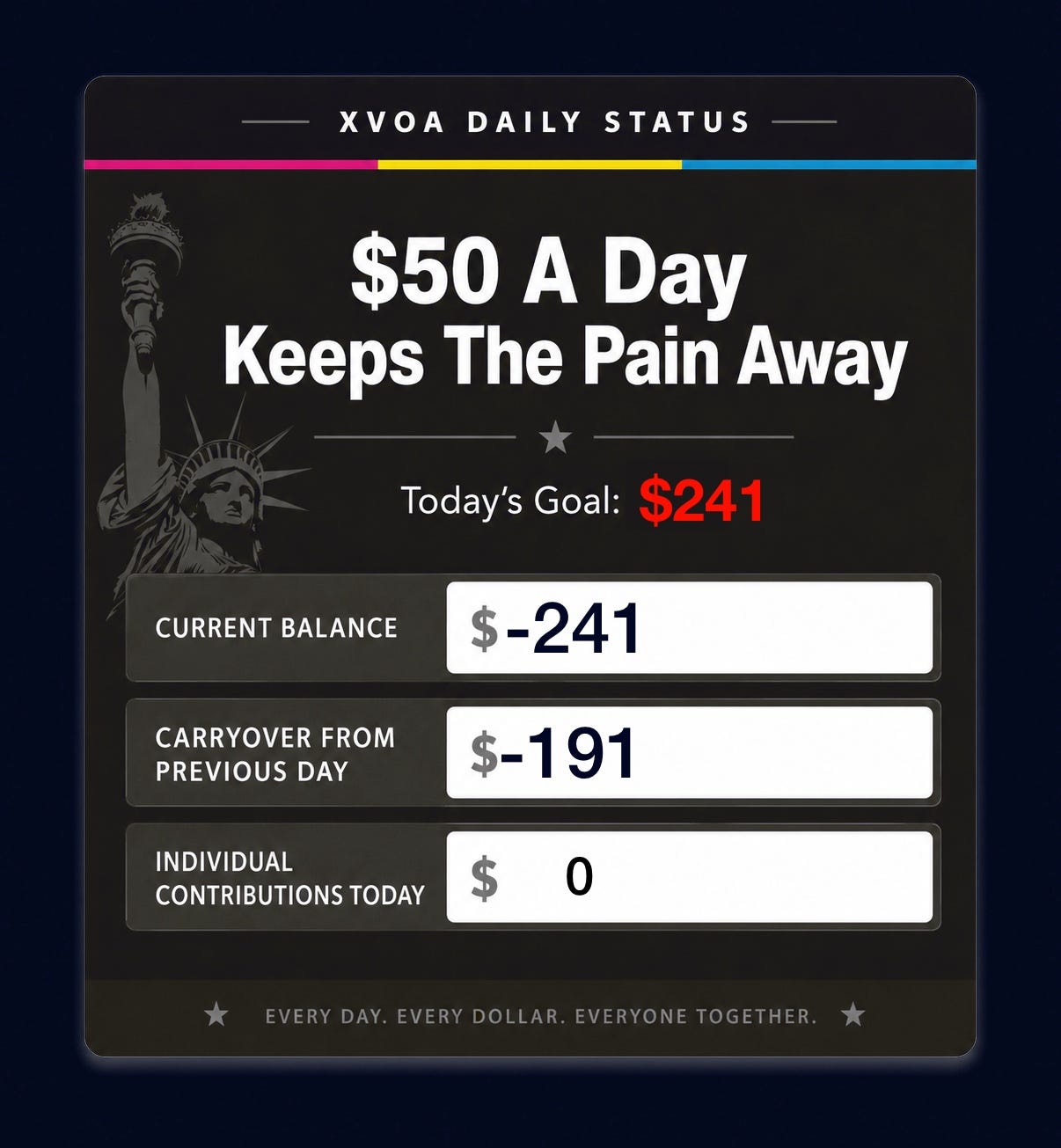
XVOA is sitting in a -$226 operating hole right now.
»»»»»UPDATE 6-26-2026 3:40PM: We have received $10 thus far to help close the gap. Do not think for one second this is small change. 23 more people out of the over thousand people who will open this email is all it will take to get XVOA to the finish line. Thank you David and thank all of you who have contributed in the past. Now let’s get to the finish line!««««««««««««
The 24th brought in $14 against an existing -$136 operating hole. Then two straight days brought in nothing.
That is how the gap widens.
Quietly.
One slow day at a time. One missed floor at a time. One day where the work goes out and the support does not come back in.
And I get it.
People are on vacation. It is summer. Folks are tired. Money is tight. Even I had to take a mini break because burnout finally walked into the room and sat down like it owned the place.
But the operating costs do not take vacation.
It runs on multiple laptops for livestreaming, batteries that have to be replaced, cables, hubs, microphones, lighting, storage, editing apps, graphics subscriptions, image tools, research access, streaming tools, web hosting, and the recurring software that keeps this desk publishing, broadcasting, designing, archiving, and showing up.
The audience sees the post.
The bill sees the whole machine.
The site infrastructure, livestream tools, editing apps, storage, software, and all the little invisible fees that keep this desk alive do not disappear when the money slows down.
They pile up unless we actively grind this out each and every day.
So today’s ask is direct:
Help close the -$226 gap as quickly as possible.
And when one battery dies, one app renews, one tool gets cut off, or one piece of the livestream setup starts acting stupid, the work does not get cheaper. It gets harder.
Those costs pile up unless we actively grind this out each and every day.
So today’s ask is direct:
Become A Paid Subscriber
The daily operating floor is still the same:
$50 a day keeps the pain away.
Already subscribed? Money tight? I get it. Then buy the coffee if you can.
Part I: The Five Ways They Tried to Fuck Us Over Today
1. The Court made legal presence feel temporary on purpose
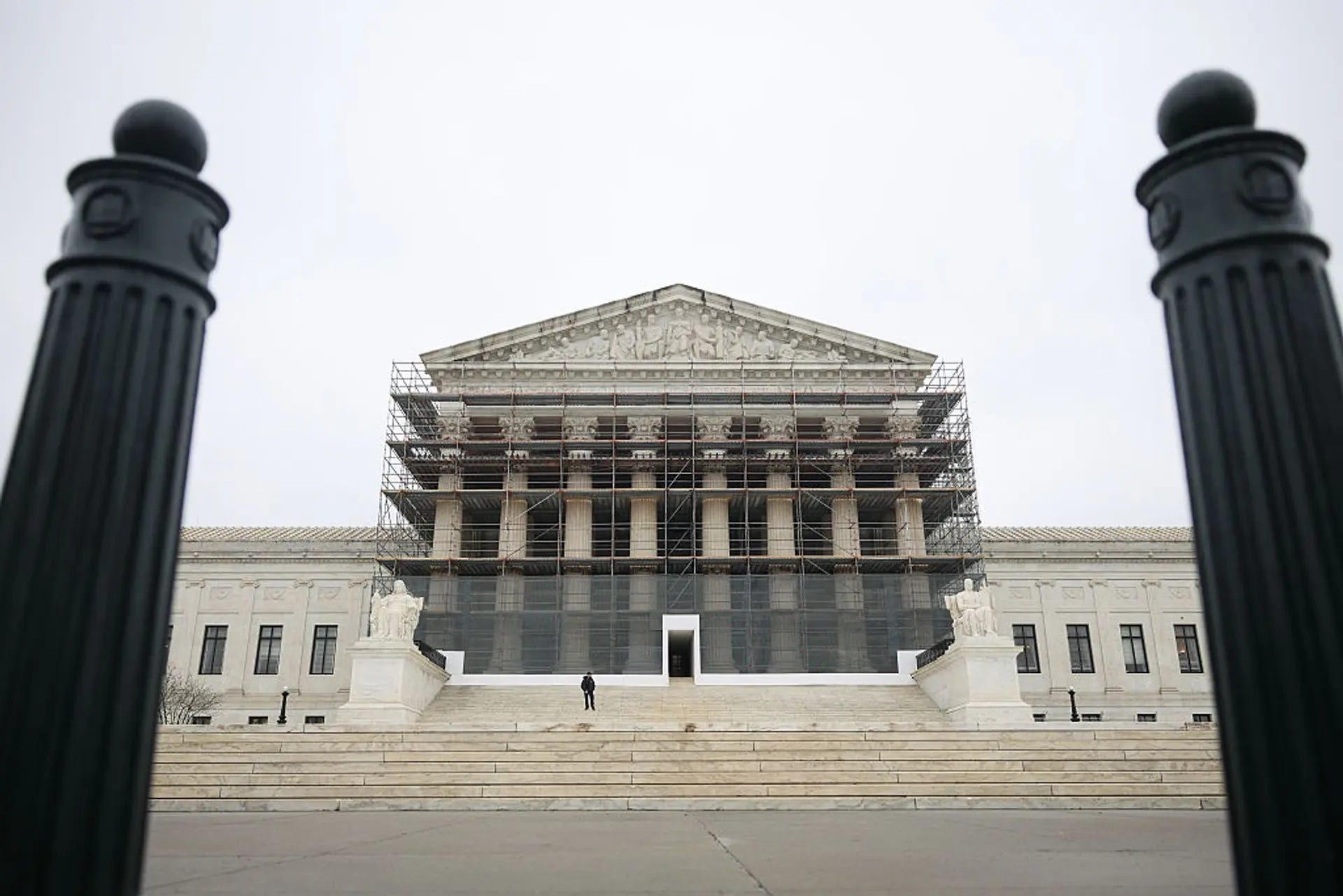
The Supreme Court allowed the Trump administration to end Temporary Protected Status for Haitians and Syrians, a move AP reported could strip legal protections from hundreds of thousands of people. Reuters placed the ruling inside a broader pattern of the Court’s conservative majority permitting major pieces of Trump’s restrictive immigration agenda to move forward. [1][2]
The weak frame is immigration discretion. The deeper frame is state-managed instability. The government invites people into lawful presence, lets them build lives under that status, then reminds them that lawful can become deportable when power changes costumes.
Who benefits? An administration that wants mass vulnerability without having to call every target dangerous. The legal category does the work. The panic is outsourced to families.
Why this matters.
Temporary status was always a strange bargain. It said: you may stay because returning you would be unsafe, but do not mistake survival for belonging. That is the old American door trick. Open it enough to use people. Keep it narrow enough to expel them.
A country that can revoke safety by category has learned how to make exile sound administrative.
2. They turned asylum into a border magic trick
The Supreme Court also allowed the government to turn back asylum seekers at southern ports of entry before they physically enter the United States. The American Immigration Council described the ruling as a blow to asylum rights, while The Guardian reported that the Court’s conservative majority sided with the administration’s reading of border authority. [3][4]
The lazy frame is procedure. The deeper frame is geography as a weapon. If the law only hears you after your body crosses the right invisible line, then the state can defeat your claim by controlling the sidewalk.
That is not just border policy. That is narrative management. The person seeking refuge gets transformed from claimant to logistical inconvenience.
Why this matters.
Asylum is supposed to be a moral alarm bell. This ruling lets the government treat that alarm like a doorbell it does not have to answer.
The point is not only who gets turned away. The point is who never gets counted, never gets heard, never gets entered into the record, never gets translated from desperation into a legal claim.
Bad translation becomes disappearance.
3. They put slavery exhibits on the same clock as fireworks
Reuters reported that an appeals court temporarily lifted a July 3 deadline that would have required the Trump administration to reinstall removed National Park exhibits before the nation’s 250th anniversary events. The removed materials included exhibits tied to slavery and climate change, while The Guardian described the broader Freedom 250 rollout as heavy with political pageantry and national branding. [5][6]
The weak frame is timing. The deeper frame is memory control. If the restoration happens after the ceremony, the public gets the fireworks before it gets the truth.
That is how a country launders its birthday. It does not need to deny the archive forever. It just needs to delay the archive until the cameras move on.
Why this matters.
Public memory is not decoration. It is evidence.
When exhibits about slavery get removed, delayed, restored, appealed, and rescheduled around national celebration, the fight is not over wall text. The fight is over whether America’s official story can admit who built the room before it starts singing about freedom inside it.
The archive is the battlefield, and the anniversary is part of the battlefield.
4. They taught the Justice Department to hear Pride as persecution
The San Francisco Giants Pride cap controversy kept spreading. The Guardian reported that several players altered Pride caps with Bible verses or opted out, while the issue drew federal attention and Republican pressure. MLB Commissioner Rob Manfred later described a “lapse in communication” over the voluntary nature of the caps and the league’s uniform policy. [7][8]
The soft frame is communication. The deeper frame is backlash with a badge. A rainbow cap becomes a federal grievance machine the moment anti-LGBTQ politics learns how to call discomfort discrimination.
The Giants wanted to perform inclusion without surviving the conflict inclusion creates. That is corporate Pride in its most nervous form: sell the symbol, fear the meaning, then act surprised when the culture war shows up with cleats on.
Why this matters.
Sports has become one of the main theaters where reactionary politics tests which symbols can be frightened back into silence.
A Pride cap is a small thing until the state treats it like an injury to power. Then it becomes a diagnostic tool. You see who gets protected. You see who gets managed. You see who gets told their welcome was only valid until somebody else felt uncomfortable.
Visibility without institutional courage is extraction in HD.
5. They made public health memory defend itself again
The Guardian reported new evidence casting doubt on Robert F. Kennedy Jr.’s Senate testimony that his 2019 Samoa trip had nothing to do with vaccines. AP previously reported that Samoa’s top health official sharply rejected Kennedy’s account of his role after a measles outbreak that killed 83 people, most of them children under five. [9][10]
The weak frame is a testimony dispute. The deeper frame is public health memory under attack. When misinformation travels with prestige, children become the receipt and then the record itself has to beg to be believed.
This is not a courtroom finding. It is an accountability alarm. The question is whether power gets to narrate the past clean after communities have already buried the cost.
Why this matters.
Samoa is not a prop in an American confirmation hearing. Pacific children are not footnotes in somebody else’s ideology tour.
Public health depends on trust, and trust depends on memory. When officials can revise their own proximity to disaster, the danger does not end with one outbreak. It becomes a method.
First they muddy the science. Then they muddy the timeline. Then they ask why nobody trusts the water.
Part II: Entertainment
1. Jay-Z turned the documentary frame into an archive room
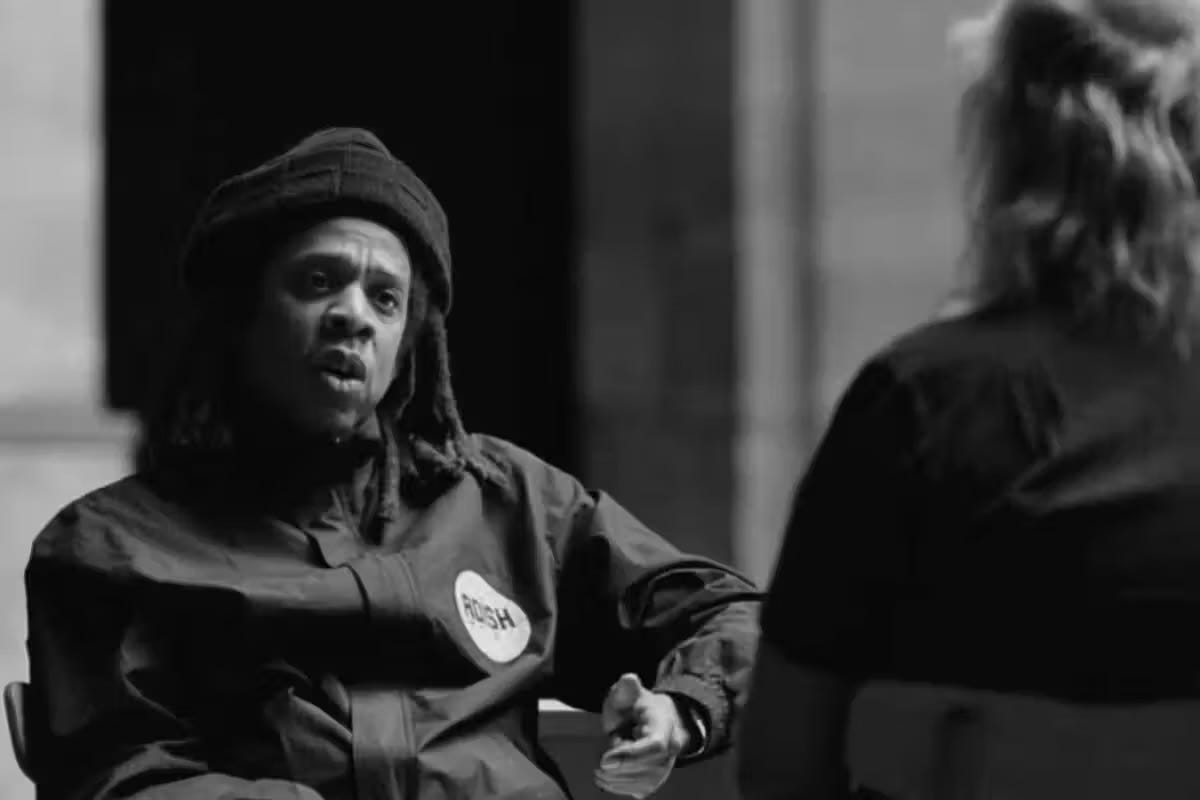
Warner Bros. Discovery announced JAŸ-Z IN 8, an eight-part HBO documentary series directed by Rick Rubin and built around an extended conversation with Jay-Z about music, lyrics, life, and creative process. Complex reported that the project arrives alongside major anniversary moments for Reasonable Doubt and The Blueprint. [11][12]
The lazy frame is celebrity content. The deeper frame is authorship. A Black artist who has spent decades being interpreted, marketed, envied, resented, worshiped, and misread is building a room where his own archive speaks first.
Why this matters.
Hip-hop has been treated like disposable youth noise, then like a corporate asset, then like museum property. The trick was always the same: let the culture create, then let institutions explain it later.
This project matters because the author is still in the room. That changes the temperature.
2. T.I. closed the solo album chapter before the market could write the obituary
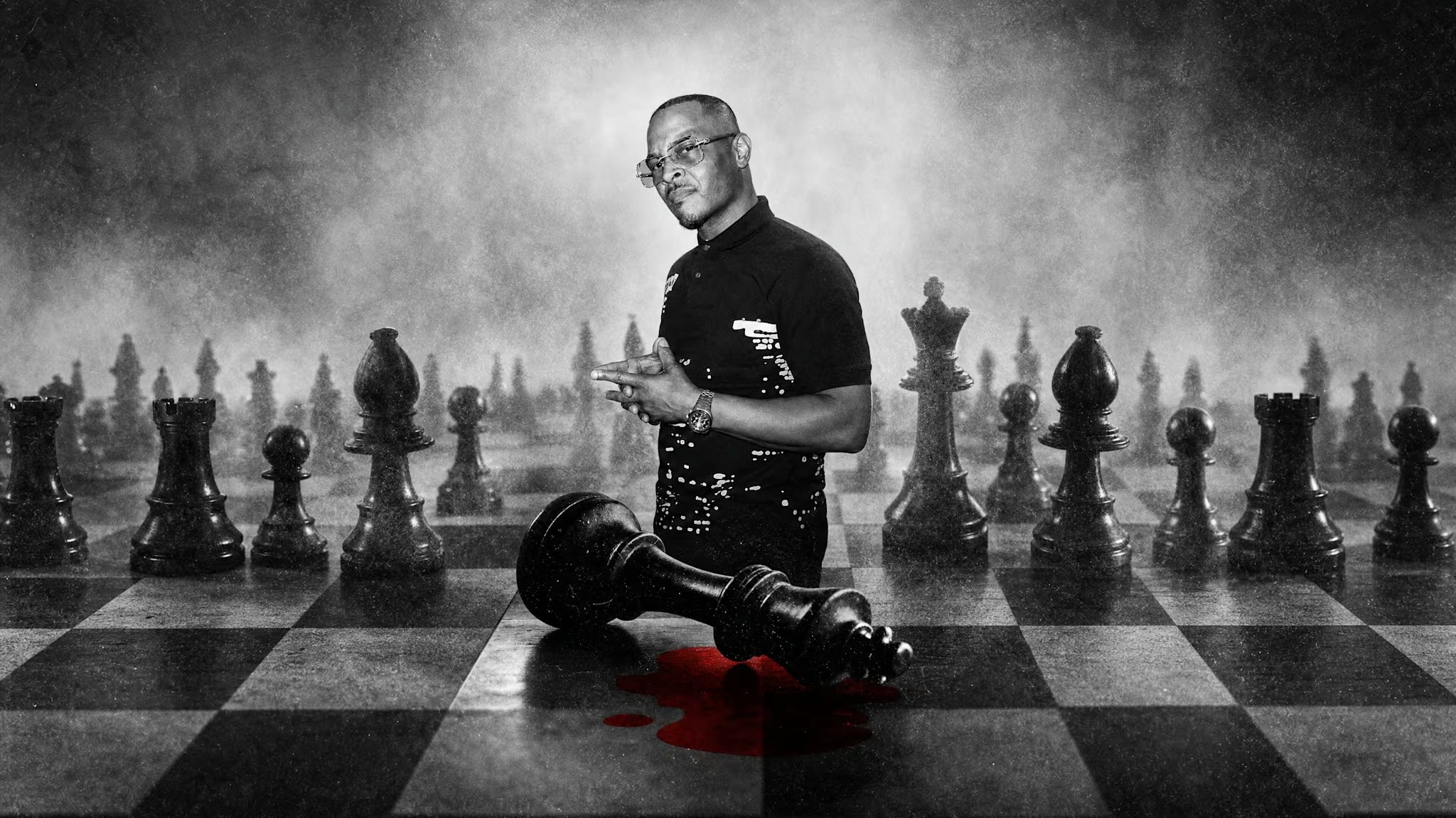
T.I. released Kill the King, billed as his twelfth and final solo studio album, with appearances from Usher, Anderson .Paak, 2 Chainz, Jeezy, T-Pain, NBA YoungBoy, Summer Walker, and production tied to names including Dr. Dre, Pharrell, and Organized Noize. [13]
The easy frame is retirement. The deeper frame is self-authored legacy. Southern rap has spent years being consumed, criminalized, mined, softened, and repackaged. A final album is not just an exit. It is an argument over who gets the last word.
Why this matters.
Atlanta helped define modern American sound while being treated like a cultural factory everybody could raid. Trap became a global language, then got blamed for the world that copied it.
A closing chapter from one of its central figures is not just music news. It is archive management with bass in the trunk.
3. Child voice actors said the quiet part about AI out loud
A public open letter from performers and allies called on studios and producers to stop using child actors’ voices in AI systems. Kotaku reported that the dispute included allegations that Hasbro tried to secure AI voice permissions from child performers tied to Peppa Pig, while the company said it could not comment on specific negotiations. [14][15]
The corporate frame is innovation. The deeper frame is extraction. A child’s voice is not a sample pack, a training asset, or a future revenue stream waiting for adults with contracts to monetize it.
Why this matters.
Entertainment has always loved children as content and feared them as workers. AI makes that old imbalance colder. The child does not just perform once. The child can be copied, stretched, cloned, reused, and financially harvested after the moment has passed.
That is not the future of creativity. That is the company store with better software.
Part III: Arts
1. The Whitney Museum Tried To Turn World Cup Hype Into A Public Door
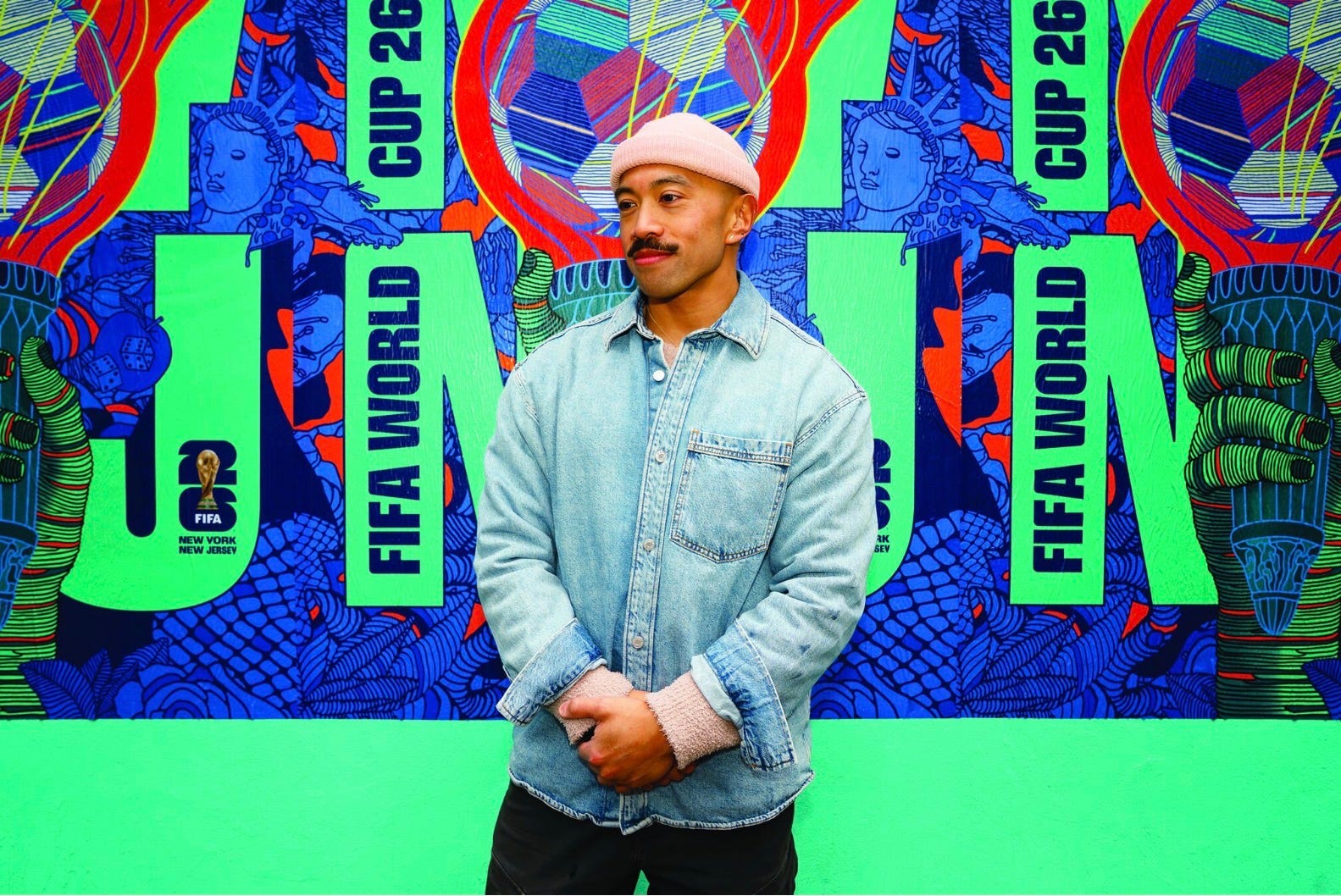
The Whitney Museum of American Art in New York is running a World Cup-related poster project tied to the 2026 tournament. The idea is simple: people participate in a poster activity designed by artist Rich Tu, and that participation can become a way into the museum.
That matters because the World Cup is not just a sports event. It is a giant cultural machine. It brings money, branding, tourists, police, sponsors, city officials, media attention, and global spectacle into one place.
The weak version of this story is: a museum is doing a cute World Cup art project.
The deeper version is this: when a global sports spectacle takes over a city, the question becomes who gets invited into the cultural room and who gets priced out of it.
Why this matters.
Museums love the word “community.” But community is not real until people can actually walk through the door.
So if the Whitney Museum uses World Cup attention to bring regular people into the building, that is worth noting. But it also forces the bigger question: why does access to major cultural institutions still need a special event, a sponsorship hook, or a global sports spectacle to feel open?
The museum should not feel like a private room that briefly remembers the public exists.
2. Artists told the city that classrooms are not AI testing grounds
Hyperallergic reported that hundreds of artists urged Mayor Mamdani to ban or pause generative AI in New York City schools, while The Guardian covered broader parent and expert concern over AI entering classrooms too quickly. [18][19]
The lazy frame is educational innovation. The deeper frame is childhood as data infrastructure. When AI enters schools without democratic control, students become test subjects and teachers become unpaid supervisors for somebody else’s product rollout.
Why this matters.
Art education is already under siege. Public schools get stripped for parts, then Silicon Valley arrives calling itself the future.
The question is not whether children should learn about technology. They should. The question is whether their attention, writing, images, voices, errors, and imagination should become raw material for systems their communities did not govern.
The classroom is not a quarry.
3. Claire Valdez turned artist labor into political machinery

Hyperallergic reported that artist and union organizer Claire Valdez claimed a resounding win in New York’s 7th District Democratic primary, while The Guardian reported that Mamdani-backed candidates swept key Democratic primaries in New York City. [20][21]
The easy frame is progressive momentum. The deeper frame is cultural labor moving from symbol to seat. When an artist and union organizer wins power, the “creative class” stops being a lifestyle category and starts looking like an organizing base.
Why this matters.
Artists are often asked to decorate politics, translate pain, design the flyer, perform the hope, and go home broke.
A win like this matters because it reverses the direction. The artist is not just illustrating somebody else’s campaign. The artist is inside the machinery, bringing labor memory, studio discipline, neighborhood knowledge, and coalition muscle into the room where policy gets made.
That does not solve power. It changes who is standing close enough to touch it.
Part IV: Sports
1. FIFA learned that Pride flags were easier to allow than explain away
The Guardian reported that FIFA confirmed rainbow flags would be allowed at the Egypt v Iran World Cup “Pride Match” in Seattle, even as both teams reportedly avoided LGBTQ questions and had objected to Pride-related staging. [22]
The weak frame is stadium policy. The deeper frame is visibility under surveillance. A rainbow flag becomes news when the room has already told queer people their presence is conditional.
Why this matters.
Sports loves the word unity until unity requires naming the people who were pushed outside the gate.
Allowing flags matters. It also exposes the cowardice of pretending symbols are neutral. They are not neutral to the people who need them. They are not neutral to the governments that fear them. They are not neutral to the institutions that want credit for inclusion without confrontation.
The flag is small. The panic around the flag is the story.
2. “African football” got translated through the old colonial microphone

Reuters reported that Ivory Coast coach Emerse Faé criticized former Germany midfielder and World Cup pundit Bastian Schweinsteiger after Schweinsteiger described “African football” as “wild,” “unorthodox,” and less tactical. The Guardian’s World Cup coverage noted that Côte d’Ivoire’s historic advancement was partly overshadowed by the backlash. [23][24]
The lazy frame is clumsy commentary. The deeper frame is racial coding. When African teams win, too many microphones still reach for animal language, chaos language, instinct language, anything except tactical intelligence.
Why this matters.
This is how sports commentary launders hierarchy. Europe gets systems. Africa gets energy. Europe gets discipline. Africa gets wildness. Europe gets tactics. Africa gets vibes.
That vocabulary is not accidental. It is old empire wearing a headset.
Bad analysis becomes racial memory when nobody in the booth stops it.
3. The WNBA record book reminded everybody that attention was the only thing missing

Swish Appeal reported that Toronto Tempo guard Marina Mabrey scored 53 points against the Los Angeles Sparks, tying the WNBA single-game scoring record shared by Liz Cambage and A’ja Wilson. [25]
The easy frame is a big scoring night. The deeper frame is women’s basketball forcing the market to admit what it ignored. The game was never small. The coverage was small.
Why this matters.
Every time women’s basketball produces a record, a rivalry, a packed building, or a viral moment, the old excuse gets weaker.
The audience was there. The talent was there. The drama was there. The problem was distribution, investment, coverage, and a sports media ecosystem trained to mistake neglect for lack of demand.
Women’s sports did not suddenly become good. The gatekeepers finally ran out of places to hide the evidence.
Closing
Today they tried to make deportability sound like discretion. They tried to make asylum denial sound like border management. They tried to make slavery exhibits wait until after the fireworks. They tried to make Pride sound like persecution. They tried to make public health memory argue for its own existence.
But then life broke through.
Jay-Z took the archive into his own hands. T.I. closed a chapter with his own voice. Child actors and their allies said a human voice is not corporate training data. The Whitney opened a museum door through a poster project. Artists defended classrooms. Claire Valdez moved from cultural labor into political machinery. Pride flags stayed visible. Côte d’Ivoire answered racial coding with performance. The WNBA record book got louder.
That is the brief.
The manipulation is real. So is the proof of life.
Keep This Thing Alive
You know what to do.
Right now XVOA is trying to climb out of a -$226 operating hole.
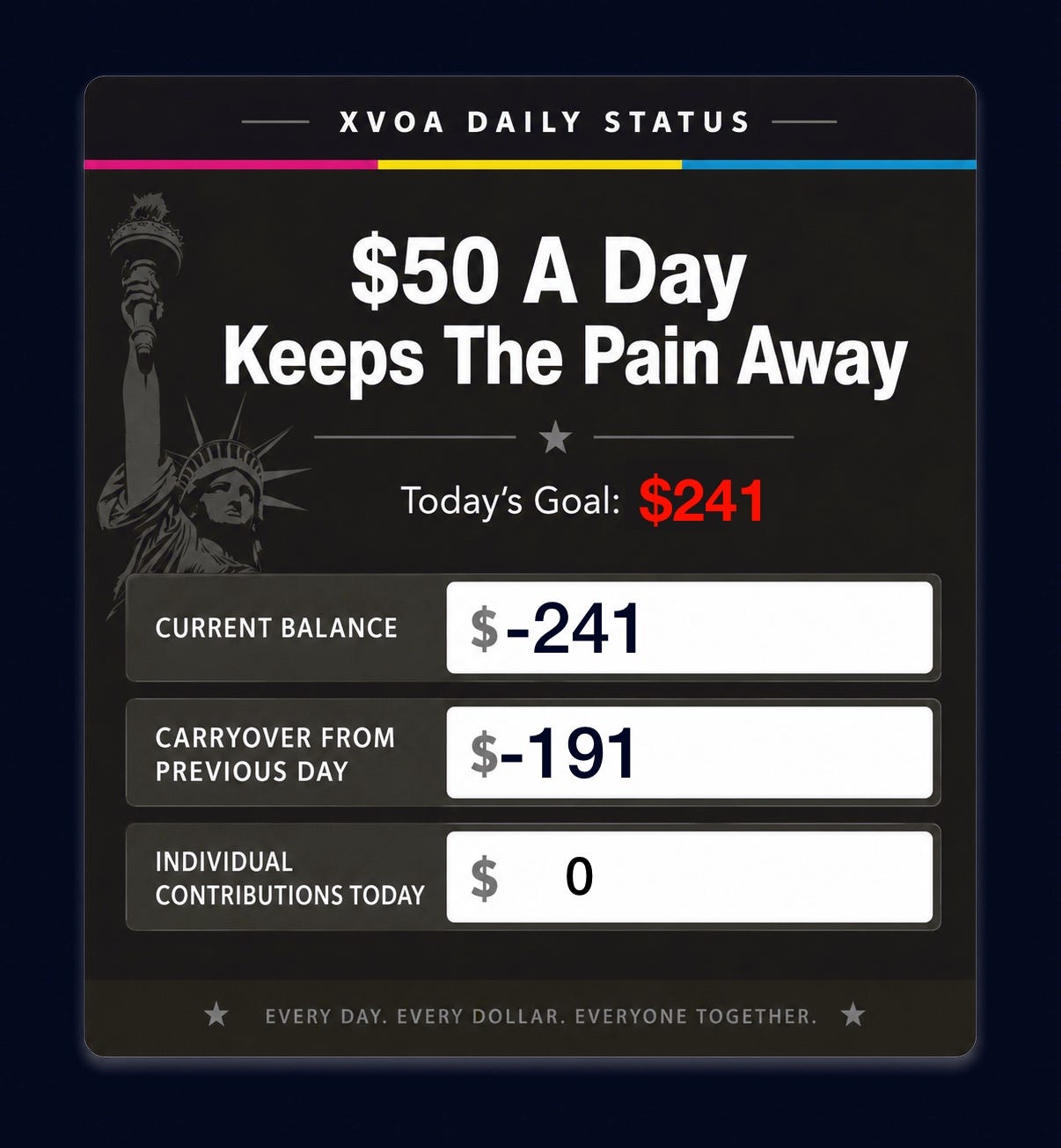
That number did not fall out of the sky. The 24th brought in $14 against an existing -$136 hole. Then two straight days brought in nothing while the bills kept walking through the door like they pay rent here.
And yes I get it.
Folks are on vacation. Folks are stretched. Folks are tired of being asked for money by every institution that already has more than enough. I had to take a mini break myself because burnout is real, and pretending otherwise is how you turn a calling into a coffin.
But this is the difference.
XVOA is not sitting on a pile of institutional money.
This is a Black-led intelligence desk being held together by daily support, paid subscriptions, small contributions, late nights, hard research, and a stubborn refusal to let power explain itself unchallenged.
And this is not just “a blog.”
This is a production desk.
It takes multiple laptops for livestreaming. It takes batteries, repairs, cables, storage, graphics apps, editing tools, livestream software, research access, web hosting, and the recurring production tools that make the whole thing look alive instead of looking like a hostage video from 2009.
The reader may only see the finished brief.
The operating budget has to carry the whole machine.
So here is the clean ask:
Help close the -$226 gap.
Go paid. Upgrade. Send this to somebody who should have already been reading. Restack it with a sentence that tells people why this work matters.
Go Paid Help Me Keep The Lights On
The daily operating floor is simple:
$50 a day keeps the pain away.
And if a subscription is not in the cards today, buy the coffee. Because after all this labor, walking out without leaving at least $5 is between you, your conscience, and whatever little committee in your spirit convinced you this much work runs on compliments.
Sources
AP: The Supreme Court lets the Trump administration end legal protections for Haitians and Syrians: Reporting on the Supreme Court’s decision allowing the administration to end TPS protections for Haitians and Syrians.
Reuters: On immigration, Supreme Court accedes to Trump’s restrictive agenda: Analysis placing the TPS and asylum rulings inside the Court’s broader immigration posture.
American Immigration Council: In Blow to Asylum Rights, Supreme Court Allows Trump to Block Asylum Seekers: Explains the asylum implications of the Mullin v. Al Otro Lado ruling.
The Guardian: Supreme court lets Trump turn back asylum seekers at US-Mexico border: Reporting on the Court’s asylum ruling and the dissenting concerns.
Reuters: Court lifts 250th anniversary deadline for Trump administration to reinstall US park exhibits: Reporting on the appeals court order involving National Park exhibits removed or altered under the administration’s review.
The Guardian: Trump’s Freedom 250 launches with campaign-style rally and Maga tone: Context on the administration’s 250th anniversary framing and related criticism around public memory.
The Guardian: I will show you fear in a rainbow baseball cap: the right’s culture wars come to MLB: Cultural analysis of the San Francisco Giants Pride cap controversy and federal pressure.
People: MLB Commissioner Calls Out San Francisco Giants Over Lapse in Communication With Pride Caps: Reporting on Rob Manfred’s comments about the Pride cap communication failure and league policy.
The Guardian: New evidence casts doubt on RFK Jr testimony before Senate: Reporting on records related to Robert F. Kennedy Jr.’s 2019 Samoa visit and vaccine-related questions.
AP: Samoa’s top health official says RFK Jr.’s remark is a complete lie: Context on Samoa’s measles outbreak and official criticism of Kennedy’s public account.
Warner Bros. Discovery: JAŸ-Z IN 8, A Candid And Intimate 8-Part Conversation Years In The Making: Official announcement of the HBO documentary series with Jay-Z and Rick Rubin.
Complex: Jay-Z Announces HBO Documentary With Rick Rubin: Entertainment coverage connecting the documentary to Jay-Z’s anniversary year and broader cultural legacy.
Complex: T.I.’s Final Album Kill The King, Explained: Reporting on T.I.’s final solo album, features, production, and stated retirement from solo albums.
Open Letter: Open Letter to Studios and Producers on the Use of Child Actors’ Voices in AI: Primary-source letter opposing AI clauses involving child performers’ voices.
Kotaku: Hasbro Tries To Force Child Actors Into Signing AI Voice Contracts: Specialist reporting on allegations around Hasbro, child voice actors, and AI voice rights.
Hyperallergic: Mayor Mamdani and Whitney Museum Launch World Cup Poster Project: Reporting on the Whitney poster activity and free admission tie-in.
Whitney Museum of American Art: The Whitney Celebrates the World Cup: Primary-source page detailing the Whitney’s World Cup programming, free experiences, and museum access.
Hyperallergic: Hundreds of Artists Ask NYC Mayor to Ban AI in Schools: Reporting on artist-led opposition to generative AI use in NYC schools.
The Guardian: AI is coming to US schools and not all parents are happy about it: Reporting on parent and expert concern over AI adoption in classrooms.
Hyperallergic: Claire Valdez Claims Resounding Win in NYC Primary: Reporting on Claire Valdez’s primary win and her identity as an artist and union organizer.
The Guardian: Mamdani-backed candidates sweep Democratic primaries in New York City: Broader election context for the New York primary results and the Mamdani-backed slate.
The Guardian: Fifa confirms rainbow flags allowed at Egypt v Iran World Cup Pride Match: Reporting on FIFA’s position on rainbow flags at the Seattle Pride Match.
Reuters: Fae says Schweinsteiger’s African football remarks could be called racist: Reporting on Ivory Coast coach Emerse Faé’s criticism of Bastian Schweinsteiger’s comments.
The Guardian: World Cup 2026 live coverage: Live World Cup context, including Côte d’Ivoire’s advancement and controversy around commentary.
Swish Appeal: With a WNBA record-matching 53 points, the Toronto Tempo’s Marina Mabrey was inevitable against the Los Angeles Sparks: Specialist sports coverage of Mabrey’s 53-point game and WNBA record context.
This excellent News Brief is why I am a paid subscriber. Thank you for your work.
Thank you for all of the good work that you do. I appreciate it. <3