


Decades ago, in a criminal justice class, my instructor tossed out a scenario to a room of mostly male students: “What if you came home and found your wife with another woman?” His tone was nonchalant with a grin. The class wasn’t sure whether to laugh, grin, or just stare at each other for a beat to see what the correct response was. At the time, I took it as quirky, even funny, just a provocative hypothetical from a guy who liked getting a reaction. In hindsight, it reads less like humor and more like early conditioning. It taught us what was really allowed to animate the room: the straight male porn script of two women together, treated as entertainment, while professionalism and respect sat off to the side. Even the framing, a husband “coming home” to his wife’s transgression, carried entitlement and a just a lil whiff of payback. It was the kind of moment you laugh at in your twenties and then, years later, you realize it was rehearsing a power reflex.
Same teacher, different class, the other moment that haunts me now wasn’t something another student said. It was me. I brought up Serpico, because I wanted to talk about corruption, about what happens to the one person who refuses to go along, about the cost of telling the truth inside a closed culture. The instructor recoiled. Not subtly. He rolled his eyes, got tight in the face, and shut the lane down like I’d brought profanity into church. He redirected fast, as if Serpico itself was an act of disloyalty. That’s when I learned another lesson that had nothing to do with statutes: in certain enforcement cultures, you can joke about women like props, but you don’t question the brotherhood. You don’t poke the myth. You don’t name the shadow. What seemed trivial back then, a laugh here, a flinch there, looks different now. Those were early tells: sexual objectification as bonding, insularity as loyalty, and hostility toward critique as a boundary line. In retrospect, that classroom wasn’t just academic. It was an initiation into the pack mindset, and a preview of what happens when “protector” gets replaced by something far more predatory.
TLDR
I get it. These essays are long. But you also know why. They’re in depth. They’re jam-packed full of useful info. They’re the opposite of drive-by hot takes. That’s why y’all keep restacking.
Oh, and did I forget to ask? Restack, restack, restack and share?.
This starts with a “harmless” classroom joke about a wife with another woman, and how that kind of male-gaze script quietly conditions what a room of future enforcers will tolerate.
Then I pivot to the culture that worships the first half of Full Metal Jacket and skips the moral rot in the second half, because it wants the tough-guy fantasy without the truth. [2]
From there I make the case that this administration is not trying to recruit protectors. It is signaling for wolves, lowering standards, amplifying extremist-coded language, and building a pack. [3] [4] [6]
And once you see the pack, the quotes make sense. The slurs are not random. They are a ritual. A warning. A bond. [9]
Keep reading if you want the psychological why behind the cruelty, the documented receipts behind the recruitment shift, and the part nobody wants to say out loud about how the “wolf story” gets used to excuse what wolves actually do.
Oh before I forget lemme remind you just go ahead and RESTACK RESTACK RESTACK now before you get lost in this essay. Impressed already? I work for you. Go paid to keep it free for those who are already strapped and go paid so I can do nothing all day and all night but provide the words to that thing you been feeling but can’t put into words.
Or if you’re still on the fence as far as going paid then keep reading. You just might fall off at the end and hit that other green button :)
Valorizing Violence and Theatrical Masculinity
That classroom anecdote is a small window into a larger ethos, but I want to be precise about what I came up in. The law enforcement culture I entered did not openly valorize “might makes right.” At least not overtly. In my world, we were taught de-escalation, restraint, report-writing that could survive daylight, and the idea that the uniform was supposed to lower the temperature, not raise it.
We also lived in the era of liability and lawyers, post Rodney King and post OJ, where every use of force could end up on the evening news and in a deposition. I still remember a sheriff griping that we could not engage in pursuits for any and every vehicle that simply refused to stop, not because the chase was thrilling, but because the lawsuits were real and the policy was changing under our feet. And the training structure mattered: I had six months of academy and then another four months of close supervision, field training, FTO, where every decision got watched, corrected, and graded.
What I’m saying now is that some paramilitary and enforcement subcultures, especially within U.S. Immigration and Customs Enforcement (ICE) and related agencies in this current surge era, have drifted into something harsher: violence, domination, and a kind of theatrical masculinity being openly valorized. It’s a world where a might makes rightattitude isn’t something to hide. It’s often worn as a badge of honor. Warped ideas of manhood are performed and exaggerated, as if every day on the job is an audition for a gritty action movie.
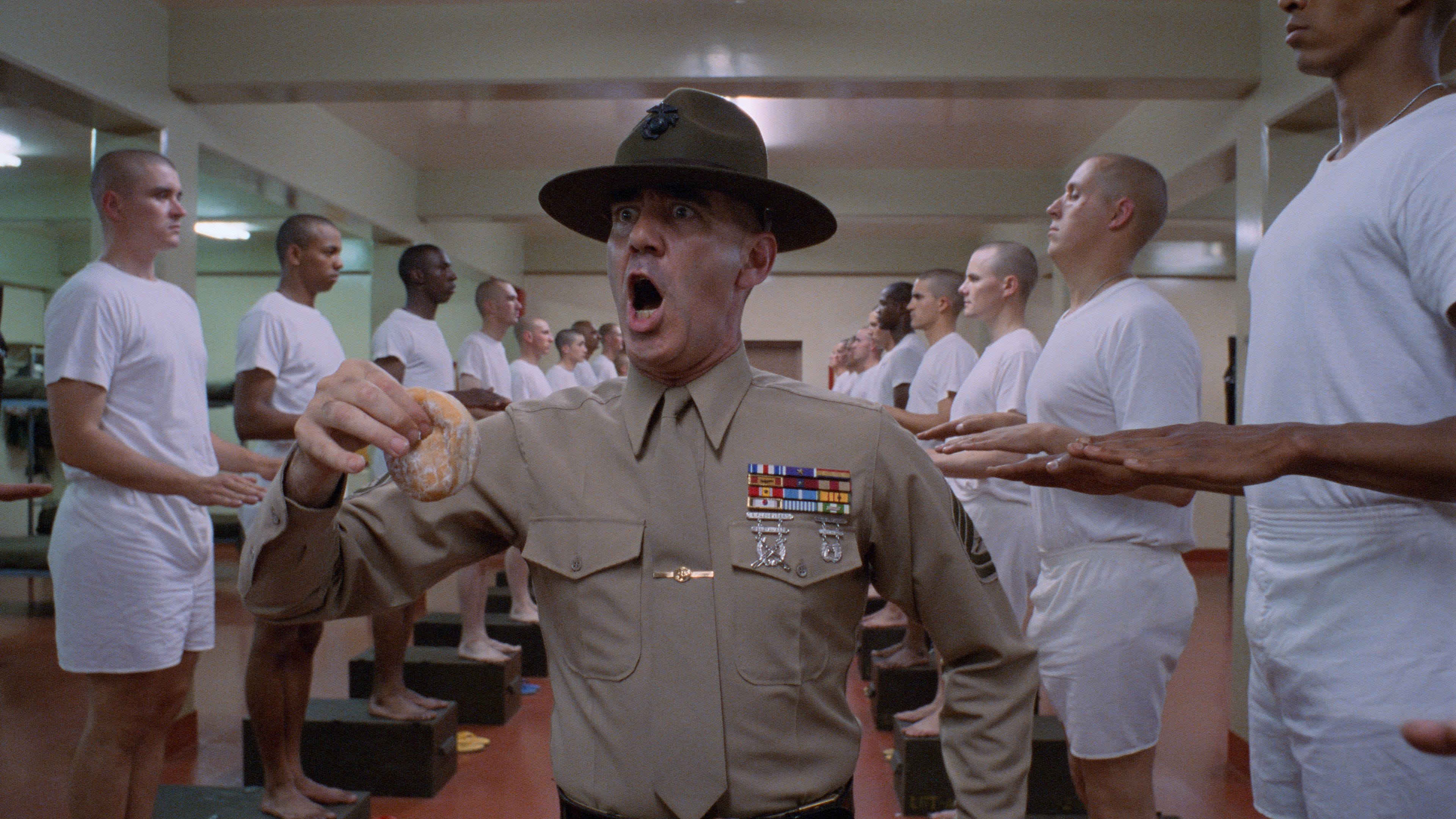
One telling example is the fetishization of military boot camp culture. Stanley Kubrick’s film Full Metal Jacket, particularly its first half, is practically worshipped in these circles. The first portion of that film depicts Marine recruits on Parris Island enduring ferocious abuse from drill instructor Gunnery Sergeant Hartman, who barks orders, hurls misogynistic and homophobic slurs, and even physically assaults the trainees. In the film, this “training” eventually produces a tragic result: one recruit, pushed past his breaking point, murders the drill instructor and kills himself.
The second half of Full Metal Jacket follows the surviving Marines into Vietnam, where the moral rot of war fully reveals itself: cruelty, a senseless sniper killing, the casual nihilism of soldiers humming the Mickey Mouse Club theme after a firefight. Rape and brutality lurk in the subtext, painting a scathing picture of war’s dehumanization. But in the subculture of macho law enforcement, nobody wants to talk about that second half. They stop the film, literally. The way it gets replayed, imitated, and quoted inside male-heavy enforcement spaces has been documented in detail. [2]
This valorization of aggression isn’t confined to military nostalgia. In the current surge era it shows up most sharply inside ICE’s everyday enforcement mentality: the way the raids get narrated, the way the street gets treated like hostile territory, the way contempt becomes a posture. Inside that culture, some agents joke about “going Rambo” or “flipping the switch” when it’s time to get rough. There’s open contempt for anything seen as “weak” or “soft.” Empathy is feminized and ridiculed. Aggression is masculinized and celebrated. The result is a theatrical machismo, call it “cosplay commando” culture, where agents strut in tactical gear, blast heavy metal or military anthems, and pepper their speech with talk of “targets,” “missions,” and “locking and loading.” [3] [14]
And here’s a distinction I need to make plain: local law enforcement, for all its flaws, usually has to answer to someoneclose to the people: a mayor, a city manager, a county executive, a council, a local budget, a consent decree, an auditor, a DA who has to face voters, an internal affairs process that the community can pressure. ICE doesn’t live in that same accountability ecosystem. It’s federal, it can parachute in, it can stonewall local oversight, and the chain of consequence is longer and colder. That is exactly why the culture can slide into “pack” behavior faster, and stay there longer. [14]
Within ICE’s ranks today, this dynamic has only intensified. The agency’s operation in Minneapolis in early 2026, essentially an occupation of an American city by 2,000 federal agents, was run with a war zone mentality, and local leaders publicly described the city as “under siege.” [5] [14]
The Cult of the “Wolf” and the Pack Mentality
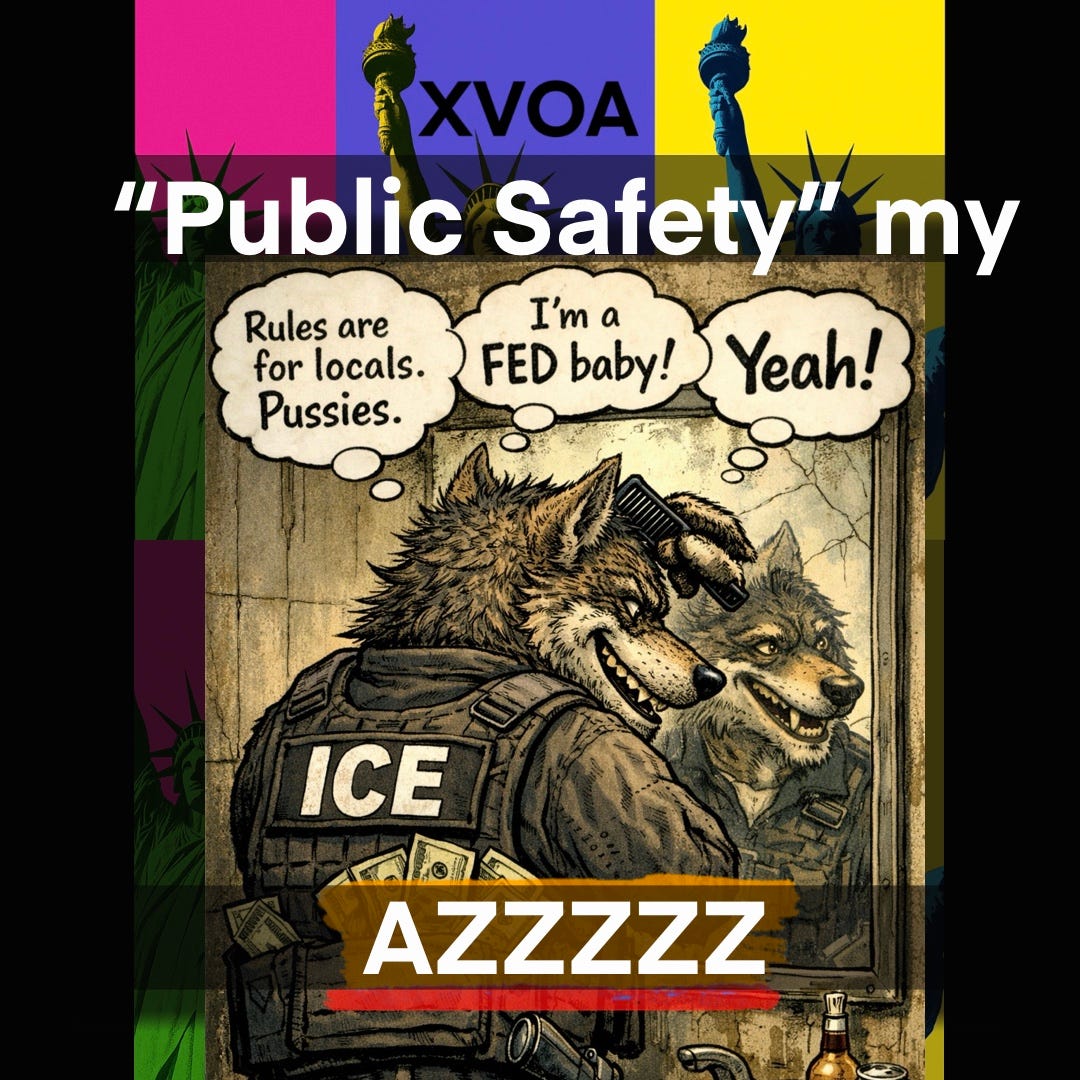
Modern law enforcement has long toyed with animal metaphors for its role. A popular framework compares society to sheep, criminals to wolves, and officers to sheepdogs, vigilant guardians who protect the flock. But in the current ICE subculture, this analogy has been grotesquely inverted. They don’t want sheepdogs or guardians; they want pure wolves, predators with badges. The ideal officer in this mindset isn’t a careful protector of the vulnerable. He’s a hunter, a pack alpha, an apex enforcer who instills fear.

The administration’s own messaging has leaned hard into this “wolf” archetype, sometimes implicitly, sometimes overtly. In January 2026, for example, the Department of Homeland Security (which oversees ICE) posted a recruitment ad featuring the phrase “We’ll have our home again,” a lyric from a song beloved by white supremacists and the Proud Boys. [4] [6]
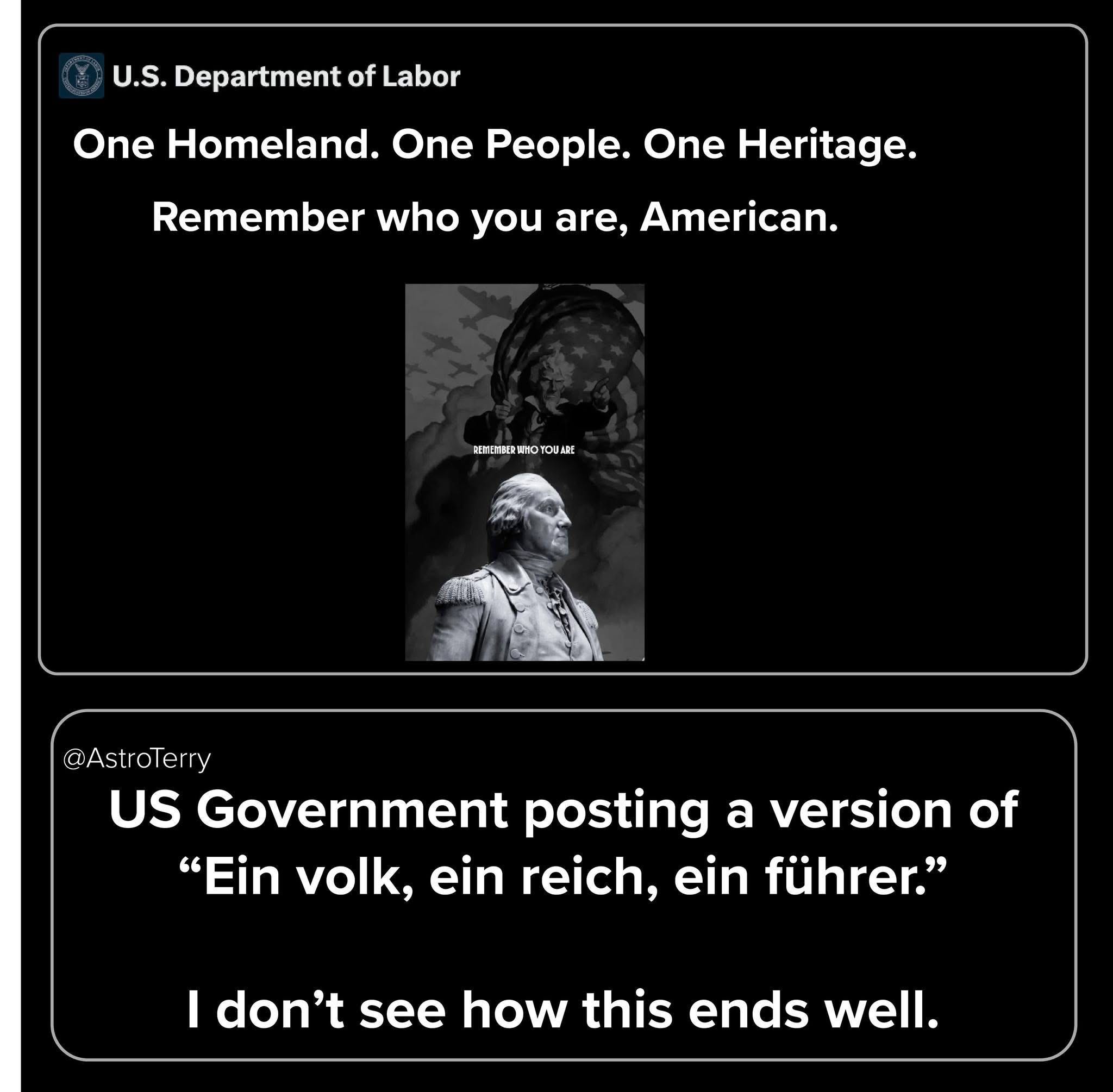
Around the same time, a Department of Labor social media post declared: “One Homeland. One People. One Heritage. Remember who you are, American.” It was an unmistakable echo of the Nazi slogan “Ein Volk, ein Reich, ein Führer”(“One People, One Realm, One Leader”). [4]
These aren’t dog-whistles. They’re wolf-howls. Federal agencies under Trump’s second term have repeatedly pushed thinly veiled allusions to white nationalist ideas and violent “blood and soil” imagery. [4] [6] They even stooped to using an anti-Semitic slur in an official Border Patrol video: set to Michael Jackson’s “They Don’t Care About Us,” the clip blared the lyrics “Jew me, sue me…kick me, kike me” as agents geared up in the desert. [4]
It is hard to imagine a more brazen signal of ideological alignment. The message from the top down is that ferocity is the mission, and that those who sign up are joining something closer to a crusade than a law enforcement agency. Why emphasize these extremist codes and symbols? It’s deliberate: they’re cultivating a particular breed of enforcer. By referencing Proud Boys anthems and Nazi slogans, the administration is putting out the welcome mat for ideological warriors, the kind of recruits who relish the idea of being unleashed on perceived enemies. [3] [4]
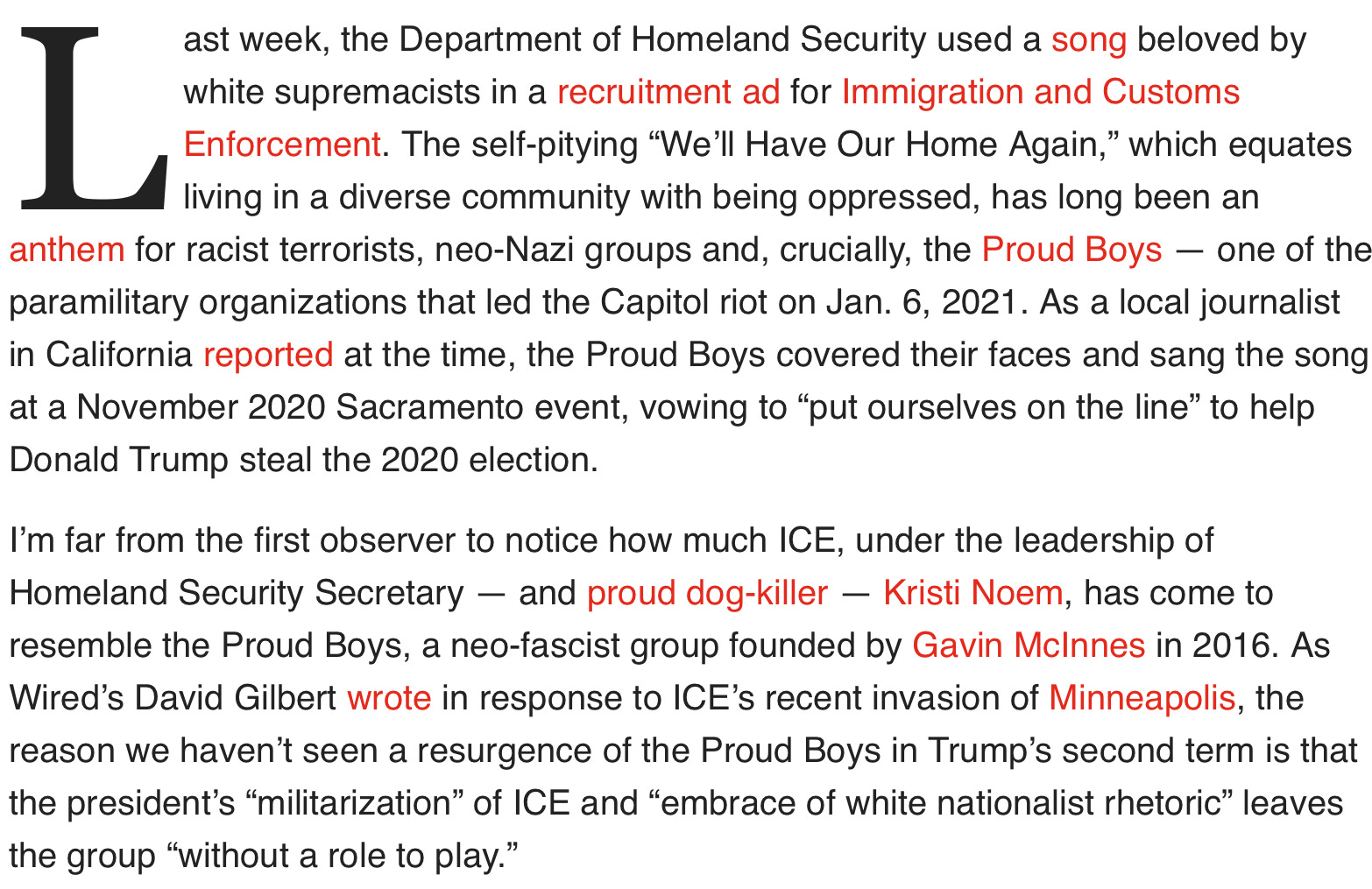
One Salon investigation noted how ICE, under Homeland Security Secretary Kristi Noem, has come to “resemble the Proud Boys” in both aesthetics and tactics. [3]
Now ICE’s leadership has effectively adopted the same strategy. It’s lowering recruitment and training standards to pull in greater numbers, even if that means hiring some with checkered backgrounds or extreme views.

The hard truth, as Elliot Williams, a former ICE assistant director, pointed out, is that this was mathematically inevitable once Trump promised “the most robust deportation effort in history,” a push to remove a million people where previously 300,000 might be removed. “Just do the math,” Williams said. [1]
You can’t triple or quadruple an agency’s output in short order without cutting corners on who you hire and how you operate. Williams warned that this kind of surge would lead to civil rights violations, bad hiring, and actions exceeding authority. [1]
And indeed, hiring people unfit for the job, those attracted less by public service than by the promise of wielding power, is exactly what’s happening. “Lowering the hiring standards and then just literally sweeping people up” is how Williams described ICE’s recruitment spree. [1]
The goal isn’t public safety. It’s ideological enforcement. They are staffing up with men who see the mission as us vs. them, who view empathy as weakness and aggression as a virtue. These recruits aren’t being trained as measured professionals. They’re being amped up as a vengeful posse. They are, in effect, wolves being invited into the henhouse.
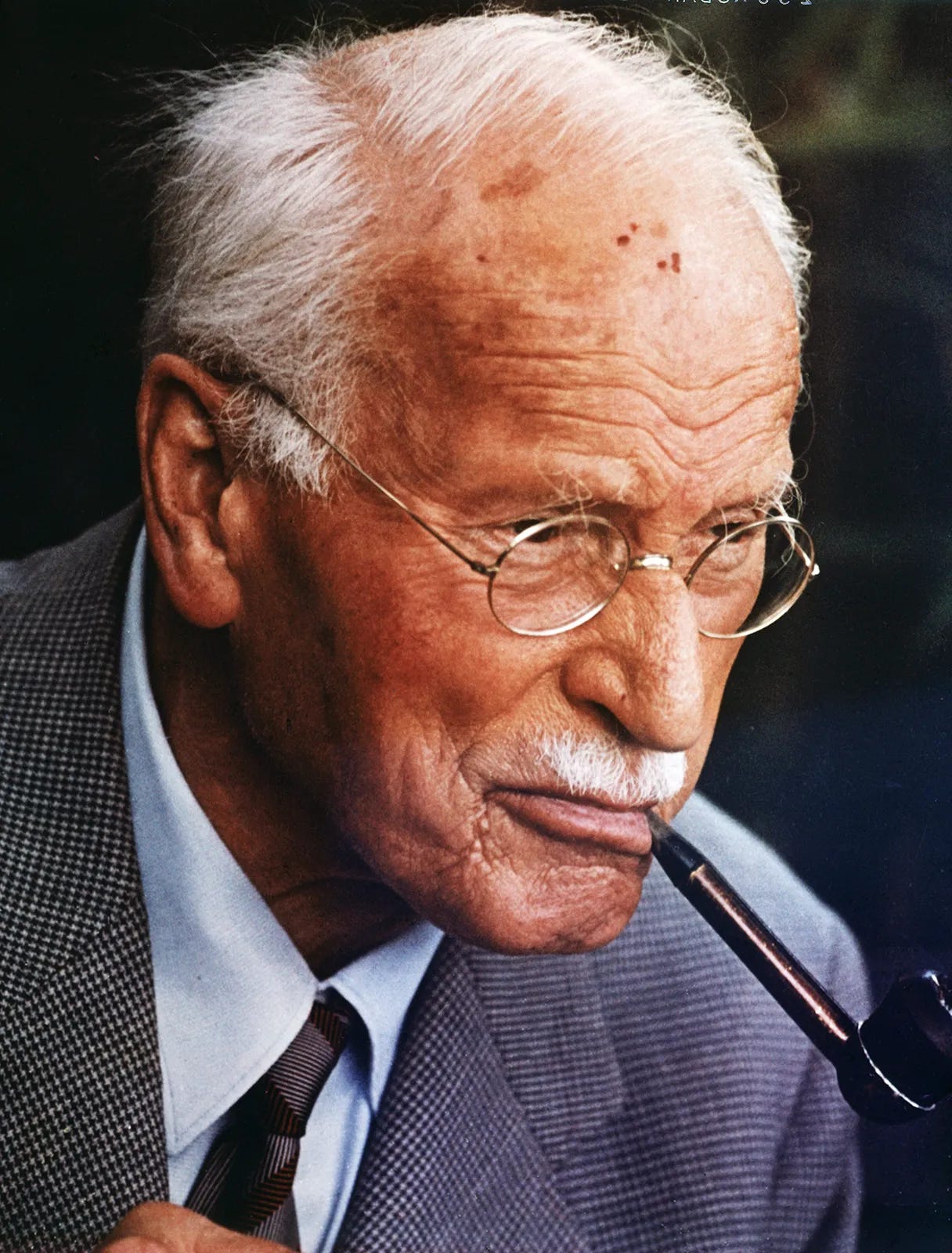
In the Jungian sense, the wolf is a potent archetype carrying dual meanings. Swiss psychiatrist Carl Jung noted that the wolf can symbolize both the protector and the predator, with a “sense of contradiction: a wild and fearful animal representing death and evil; but at the same time a companion…protector and warrior.” [12] [13]
Culturally, the wolf appears as the fierce guardian of the pack in some legends and the ravaging beast in others. The current ICE culture has embraced the wolf’s shadow side without its balance. The “protector” aspect, the noble side of the warrior, has been utterly consumed by the dark “demon wolf” that sees everything unfamiliar as prey. [12] [13]
It’s as if the agency looked at the old sheepdog analogy and decided they’d rather just be the wolf, because the wolf doesn’t have to follow rules. The wolf takes what it wants. And that is exactly the attitude seeping through ICE now: predatory, unrestrained, and proud of it.
Porn, the Male Gaze, and Objectifying the “Other”
The blurring of professional boundaries in these subcultures isn’t limited to militaristic fantasy. There’s a pervasive pornographic undertone to the way they view power and bodies. Recall that classroom joke about finding one’s wife with another woman, essentially a straight male porn scenario transplanted into a law-enforcement context. It got laughs, not rebuke, reinforcing that even in a supposedly serious training environment, the male gaze was king. Women, whether as objects of lust or scorn, were to be conquered or controlled, not respected as equals.
Pornography itself quietly permeates a lot of law enforcement and military culture. Spend enough time around barracks, squad cars, or ICE detention sites and you’ll hear the locker-room banter: explicit jokes, boasting about sexual exploits, derogatory comments about women’s bodies.
In the infamous secret Border Patrol Facebook group (exposed by ProPublica in 2019), nearly 10,000 agents traded vile “memes” that were basically pornographic hate propaganda. [10] [11]
In one, a fake image depicted a smiling President Trump forcing Congresswoman Alexandria Ocasio-Cortez’s head toward his crotch, with agents gleefully commenting, “That’s right bitches. The masses have spoken.” [10]
Another post showed an illustration of Ocasio-Cortez engaged in a sex act with a detained migrant. [10]
This wasn’t some dark corner of the internet. It was created and circulated by sworn law enforcement officers. The contempt is clear: a female Latina politician advocating for immigrants’ rights was, in their eyes, nothing more than a “bitch” and a sexual object to humiliate. The pornographic framing wasn’t incidental. It was the point. By reducing a woman (and by extension, what she stood for) to a crude sex joke, they bonded as a pack and affirmed their dominance. [10] [11]
Consider the overlap between a lesbian porn fantasy and the way a real lesbian woman might be treated by these officers. In porn, “girl-on-girl” scenes are popular under the male gaze. They exist for the straight male viewer, reinforcing that women’s sexuality is performative and ultimately for male pleasure.
In real life, when a woman’s sexuality isn’t oriented toward male approval, say, a lesbian mother like Renee Good who dared to assert herself, she is recast from fantasy to threat. The same culture that drooled over the idea of two women in bed will snarl “lesbian bitch” as an epithet when faced with an actual woman it can’t control.
That slur was not just muttered in the heat of the moment. It was ritualistically invoked by ICE agents after they killed Renee Good, a married lesbian mom. In the days following Good’s death, protesters and even random local residents reported being taunted by federal agents with lines like, “Have you not learned? That’s why we killed that lesbian bitch!”[9]
Think about that: they used her sexual orientation as a post-mortem justification for shooting an unarmed woman. It was as if being a lesbian, living outside their patriarchal script, was the real crime.
This convergence of porn and enforcement mentality also manifests in how officers bond with each other. Sharing explicit jokes or using sexual slurs becomes a way to signify you’re in the club, that you won’t play “PC police” on your buddies. It’s masculinity theater again, using sexual conquest as the plot.
Dehumanization as Ritual: Slurs and “Pack” Bonding
When an ICE agent screamed at a Minneapolis man through his car window in January, “Did you not learn from what just happened?… You’re not gonna like the outcome of this,” it wasn’t just a personal threat. It was ritual. [9] The agent was referencing the very public killing of Renee Good a few days prior, essentially warning, keep messing with us and you’ll end up dead like that other ‘bitch’. Moments later, another protester was told outright by an officer, “You guys gotta stop obstructing us. That’s why that lesbian bitch is dead.” [7] [9] This ugliness serves a dual purpose: it terrorizes the target and it galvanizes the pack. By using that slur, “lesbian bitch,” the agent signaled to his fellow officers a shared triumph (we got one) and shared contempt for the victim (she was nothing).
Slurs have long been used by soldiers and cops as bonding tools. It’s easier to beat someone, shoot someone, or ignore their cries if you’ve reduced them to an animal or a vile caricature in your mind. In Vietnam it was calling the locals “gooks.” In the War on Terror it was “hajis” or “sand n—–s.” In ICE today, migrants and even U.S. citizens who object are “illegals,” “thugs,” “Antifa,” and worse.
Internal communications have revealed Border Patrol agents casually referring to immigrants as “savages,” “beaners,” and “subhuman.” [10] [11] In one shocking case, agents caught exchanging text messages joked about exterminating migrants by “burning [them] up,” expressing glee at the idea of mass violence. [10] [11] These are not random outliers. They reflect a pervasive culture of cruelty. [10] [11] The constant use of dehumanizing language, whether racist, sexist, or homophobic, acts as a ritual of degradation. It’s how members of the squad reassure each other that they’re the ones on top and that their victims “had it coming.”
What’s particularly insidious about the slurs we’re hearing now is that they’re not even always spat in anger. They’re often delivered with a smug sense of impunity. “FAFO,” a favorite acronym among these agents, stands for “f*** around and find out.” It’s been scrawled on ICE vehicles and tactical gear as a warning. It essentially means if you step out of line (in their eyes), you’ll get what’s coming to you, no questions asked.
One could easily imagine a snarling wolf on a T-shirt with that slogan; it’s the same vibe. In Minneapolis, ICE officers have been caught on video beating a prone Target employee while growling insults, or tackling a DoorDash driver while calling him a “motherf***er” and worse. [3] Each time, the abusive language serves to ceremonially strip the person of their humanity. An agent choking a protester might yell “stop resisting, you piece of shit,” not really as an instruction, but as a narrative device to later claim the use of force was righteous. By the time they call someone a “bitch,” a “tranny,” or a “thug,” they’ve written the script in which they are the hero and the other is a worthless villain.
Dehumanizing language also helps bond the pack internally. When one agent hears another use a slur, it’s a cue: This guy is like me. He’s not squeamish. He hates the people I hate. It’s a perverse solidarity built on shared contempt. This is why, when that ICE agent in Minnesota barked about the “lesbian bitch” being dead, none of his fellow officers recoiled or corrected him. To the contrary, that kind of talk has been encouraged from the leadership level. Gavin McInnes, the Proud Boys founder whose ethos now permeates ICE, explicitly urged his followers: “Choke a bitch. Choke a try…get your fingers around the windpipe” if they as much as feel disrespected. [3] This was framed as self-defense. They spit on you, that’s assault, so you can retaliate with lethal force. It is an idea that has clearly been absorbed by ICE agents on the streets. After Good’s shooting,
Top DHS officials fell over themselves to label her a “domestic terrorist” and describe the killing as justified self-defense. [4] [8] The vice president even echoed that narrative, calling it an act against “terrorism” rather than admitting an officer might have killed an innocent person. [4] [8] When slurs and lies flow freely from the top, they become gospel on the ground. ICE agents now feel empowered to say the quiet part loud: We killed that lesbian btch, and we’ll kill you too if you get in our way. It’s not an ad-lib. It’s a practiced refrain. [9]
Shadow Projection: The Enemy Within and Without
Depth psychology offers a chillingly precise lens for what we’re witnessing. The renowned psychiatrist mentioned earlier, Carl Jung, also helped found modern depth psychology in the early 20th century and spent his career studying how unconscious forces shape human behavior. He would most certainly recognize ICE’s current ethos as a textbook case of shadow projection.
The “shadow,” in Jungian terms, is the collection of repressed desires, fears, and aspects of oneself that the conscious ego refuses to acknowledge. If an individual (or organization) doesn’t confront and integrate their shadow, they will inevitably project it outward, perceiving enemies and monsters in the world that are really reflections of their own denied traits. In simpler terms: when a psyche (or a culture) can’t face its own capacity for evil, it needs an external enemy to justify unleashing that very evil.
Within ICE, and the broader culture driving it, there is an unacknowledged fear and weakness that fuels their aggression. Many of these agents see the world in apocalyptic terms, America under siege by invaders, their way of life threatened by “wokeness” or diversity.
The “wolf” archetype is illuminating here. Earlier we noted the dual nature of the wolf symbol, protector and predator, noble and evil. [12] [13] In Jungian psychology, one might say ICE has identified with the predator wolf while denying that it might also be devouring something within itself, namely, the agency’s original protective purpose and the humanity of its officers. [12] [13]
What makes this especially dangerous is that the more they project, the blinder they become to reality. In a literal sense, the official narrative after Renee Good’s death reads like projection on paper, a story that tries to make the hunted into the hunter. [4] [8]
And once the fatal shots were fired, ICE didn’t just double down. The White House did. Tre administration helped drive the smear campaign that followed, framing Renee Good as a radical and a “bad mother,” and turning her personal life, including her divorce and her identity, into ammunition for public contempt.
The hypocrisy is staggering: this moralizing comes from a movement led by a man whose own public record includes multiple divorces, tabloid-documented affairs, and a civil jury verdict finding him liable for sexual abuse.
Blood on the Snow: The Killing of Renee Good as a Stark Revelation
All of these threads, the macho posturing, the pornified dehumanization, the lowered standards and extremist signals, the shadow projections, converged on a single Minneapolis street in early January. Renee Nicole Good’s death was not a “fluke” or a “bad apple” incident. It was the predictable output of a system functioning by the warped values described above. The basic facts of the killing and the surge climate surrounding it have been laid out across reporting. [4] [5] [7] [8]
What followed was a masterclass in authoritarian spin and pack loyalty. Within hours, the administration painted Good as the aggressor, with Trump leading the charge on social media. [4] [8] The federal government closed ranks, even blocking local and state investigators from the scene. [14] Thousands protested, and polling showed broad support for an independent investigation. [4] [5] [14] Yet accountability remains evasive.
On the streets of Minneapolis, federal agents are now practically quoting the administration’s talking points while cracking skulls. [9] [14] Yet, amid this grim tale, there is a glimmer of unintended truth: they have shown us exactly what they are.
From Shadow to Light?
“They don’t want protectors. They want wolves with badges.” This isn’t just a rhetorical flourish. It’s an empirical description of the transformation we are witnessing. The administration deliberately lowered the bar to flood ICE with more agents, knowing full well many would be under-trained, over-aggressive, or ideologically extreme. It infused recruitment and operations with extremist iconography and language, effectively saying our force is your force to every white nationalist and misogynist itching for a fight. It tolerated and even encouraged pornographic and demeaning discourse, letting the pack mark its territory with slurs and boasts. It sidelined oversight and smashed the rear-view mirrors that might cause a moment of self-reflection. And predictably, the outputs have been more violence, more impunity, more public terror.
The tragedy of Renee Good forces us to stare at this ugly picture without flinching. A mother’s blood in the snow, a federal agent filming his kill like a trophy, a chorus of voices calling the victim a “bitch” and celebrating online, this is ICE, as designed by those in power right now. It’s a psyche that has not only failed to integrate its shadow, but has fully unleashed it on the populace. As a former cop, this realization cuts deep. The institution I was once part of has embraced the very darkness it’s supposed to shield us from. But acknowledging that is the first step to change. We have to name what we’re seeing: a pack of wolves where guardians should be.
There is still a choice to be made, collectively. We can continue to run from this reality, whistling past the graveyard of those like Renee Good, or we can confront it. Confrontation means sunlight, investigations, accountability, a public repudiation of the wolf ethos. It means stripping badges from those unfit to wear them and ending policies that treat communities like war zones. It means, perhaps most of all, a cultural reckoning within law enforcement and beyond: a reclaiming of words like “protect” and “serve” from those who turned them into a cruel joke.

In the Irish animated film Wolfwalkers, young wolf hunter Robyn discovers that the wolves she was taught to fear are not monsters at all, but beings capable of love and loyalty, and that the real monster was the fear-driven authoritarian who wanted them eradicated. It’s a story of integration with the girl literally becoming a wolf and in doing so, heals the rift between the town and the forest. Our situation is almost the mirror image. Those charged with protecting our “town” have chosen to become what they fear, or say they fear, and now run wild, unchecked by conscience. To fix this, we don’t need to become wolves. We need to remember how to be human.
The classroom warnings, the off-color jokes, the allergic reaction to Serpico, make sense to me now. Those were tremors. Those were tells. Those were the early vibrations of a quake that has since split policing culture wide open.
Because if the room can laugh at domination, the room can later excuse domination.If the room can flinch at accountability, the room can later punish accountability.If the room can treat critique like betrayal, the room can later treat the public like prey.
So the question isn’t academic. The question is spiritual. The question is civic. The question is whether we are going to bridge that divide before it swallows somebody else’s mother, somebody else’s child, somebody else’s neighborhood.
Can we demand a law enforcement ethos that values character over carnage? Can we insist that our protectors actually protect, instead of hunting for sport?
Because the answer decides what kind of country our children inherit. A land of law, or a wasteland patrolled by wolves with badges.
Support this work
Let me circle back to that classroom. Back then, the lesson was delivered with a grin. A little joke. A little shrug. A little test to see what the room would tolerate.
That’s how it starts. Not with a siren. Not with a headline. It starts with what gets laughed at. It starts with what gets waved off. It starts with what gets rewarded.
And that’s why this voice matters right now. Because I’m not talking about this as an academic hobby. I’m a retired police officer who actually lived inside the training, the policies, the liability, the chain of command, and the pressure to keep your head on a swivel without losing your soul. And I’m speaking from the margins, not from the comfort of the people who always get the benefit of the doubt when the badge gets messy.
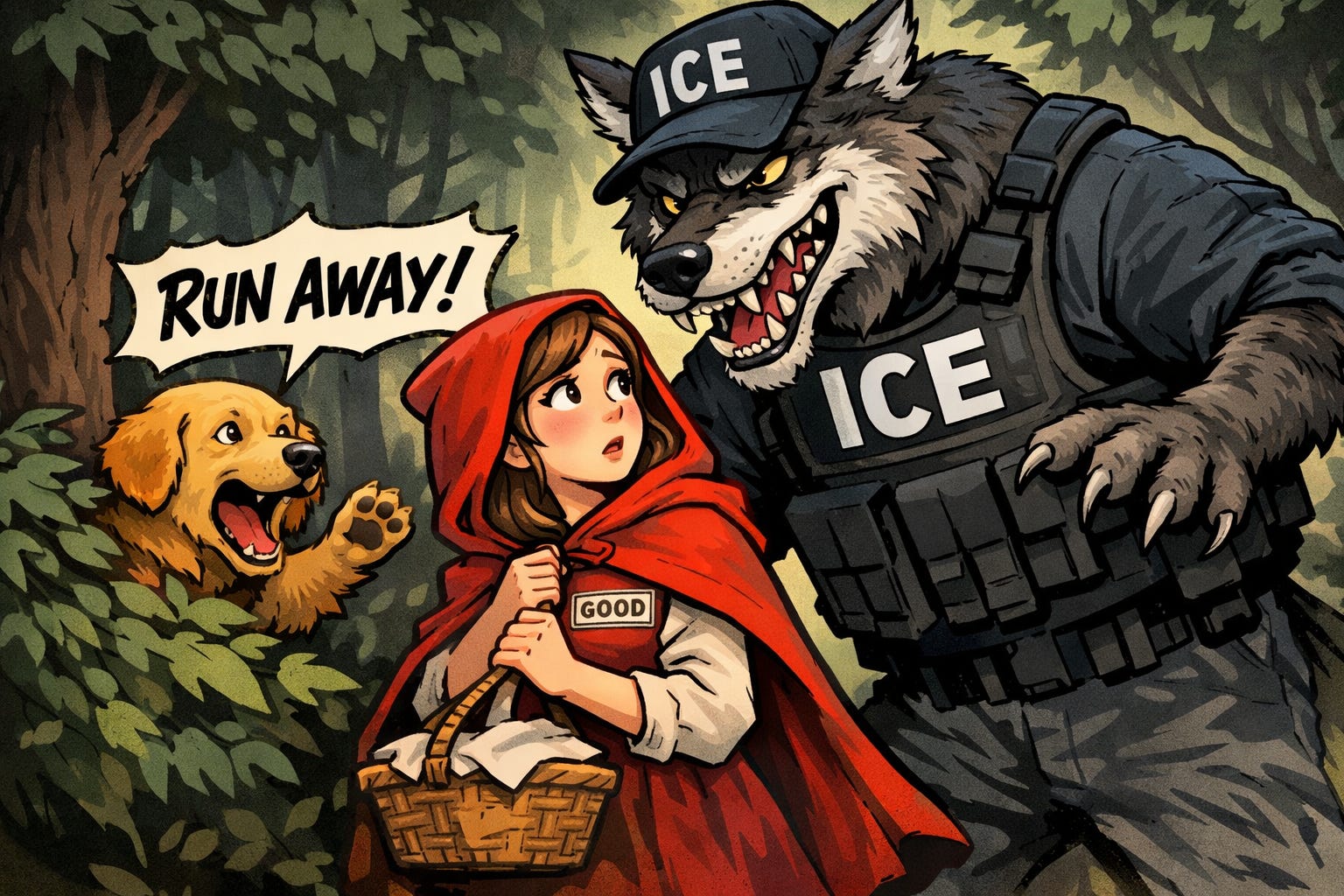
So when I tell you they don’t want protectors, they want wolves with badges, I’m not guessing. I’m reading the tells. I’m translating the culture. I’m naming the part polite society keeps trying to whisper. And now here we are watching the receipts stack up in public, watching what happens when an institution stops recruiting protectors and starts recruiting wolves.
So I’m going to ask you plain. If this essay helped you name what you’ve been feeling support it with a paid subscription.
Because I do this full time fFOR YOU., and only you. And I’m proud of that. I’m proud of this work. I’m proud to answer to readers instead of sponsors, to people instead of boardrooms, to truth instead of billionaire assholes. I don’t hesitate to ask for financial support, because that support keeps the lights on, keeps this work coming, and keeps it free for those who can’t afford to pay. This only works if the people who can support it do.
Support and subscribe here:
Sources (plain links)
https://www.salon.com/2026/01/16/how-kristi-noem-turned-ice-into-the-proud-boys/
https://www.vox.com/politics/475199/ice-shooting-renee-good-trump-white-nationalist-memes-dhs-dol
https://www.theguardian.com/us-news/2026/jan/14/union-leaders-trump-administration-white-supremacy
https://newrepublic.com/article/205199/renee-good-shooting-misogyny
https://newrepublic.com/post/205189/ice-renee-good-death-threaten-protesters
https://stottilien.com/2013/05/27/the-wolf-in-us-from-an-jungian-view-lupus-est-homo-homini/
As a former law-enforcement officer-turned-philosopher-and social critic, your perspective is crucial right now. Everyone should be reading your newsletters.
This was hard to read, and honestly, I skimmed part of it near the end. I've been through way too much of this stuff.
"Women, whether as objects of lust or scorn, were to be conquered or controlled, not respected as equals."
I went through so much of this awful cruelty in the late '70s and early '80s as a high school and college athlete during the time of Title IX, and then later when I started to work and got promoted, meaning that I was often supervising other men.
The two horrid and so very offensive words that Jonathan Ross called Renee Good after he shot her were directed at me when my name and picture made the local news before or instead of the male athletes and I also heard those words a few times in my supervisory position in the early '80s, often after handing men their paychecks -- they had to come into my office to receive their paychecks...many of them didn't have offices...need I say more?
Thank you for continuing to expose the awful truth. Until we really come to grips with some deep-rooted hate and systemic privilege, we will continue to see these appalling acts and live with what so many men lamely describe as "men will be men" or "locker room talk."