

During the Trump administration, a couple of developments have come along that really give me pause.
Pete Hegseth has said he wants people to be able to watch the execution by firing squad of Nidal Hasan, the former Army major convicted of killing 13 people at Fort Hood in 2009. He says people need to understand that there are serious consequences for those acts. [1][2]
Now, the livestream is not a done deal. Trump has said he will ultimately decide whether the execution is broadcast, and Republican lawmakers have objected to the proposal. [2][3]
As an Army vet, I wish Hasan would rot in prison for the rest of his life. As a retired cop, I have a question for Hegseth: what does the camera add to justice? You’ve already got the man in custody. What do you need from the people watching?
And as a Black man who grew up in the South, I keep thinking about an old gem our mamas used when they really, really, REALLY wanted us to stop horsing around:
“I wish you would.”
Y’all know what I’m talking about. Those four words were enough to make you reconsider whatever foolishness you had in mind. Mama didn’t have to explain what would happen next. These days, we call it FAFO: “f*** around and find out.”
Somehow, the people running this administration seem to think that warning only applies to the people they’re punishing. They have the power to do something, and they just gotta do it.. But abusing that power can give people a reason to organize against them, including people who might otherwise have stayed out of it.
Payback politics is never satisfied with winning. It seeks full capitulation from enemies, real and imagined. When people refuse to submit, those in power reach for another punishment. Making somebody pay becomes more important than considering what the next escalation might cost them.
That is the trap I described in “I Told You So… Somebody Hide the Gatorade.” [8] The administration needs to understand that people watching its performance can reach their own conclusions. Perhaps Hegseth thinks that showing an execution will make him look strong. And maybe some people think the government is enjoying putting another human being to death.
Those people might also think that the people in charge of this spectacle should be stopped.
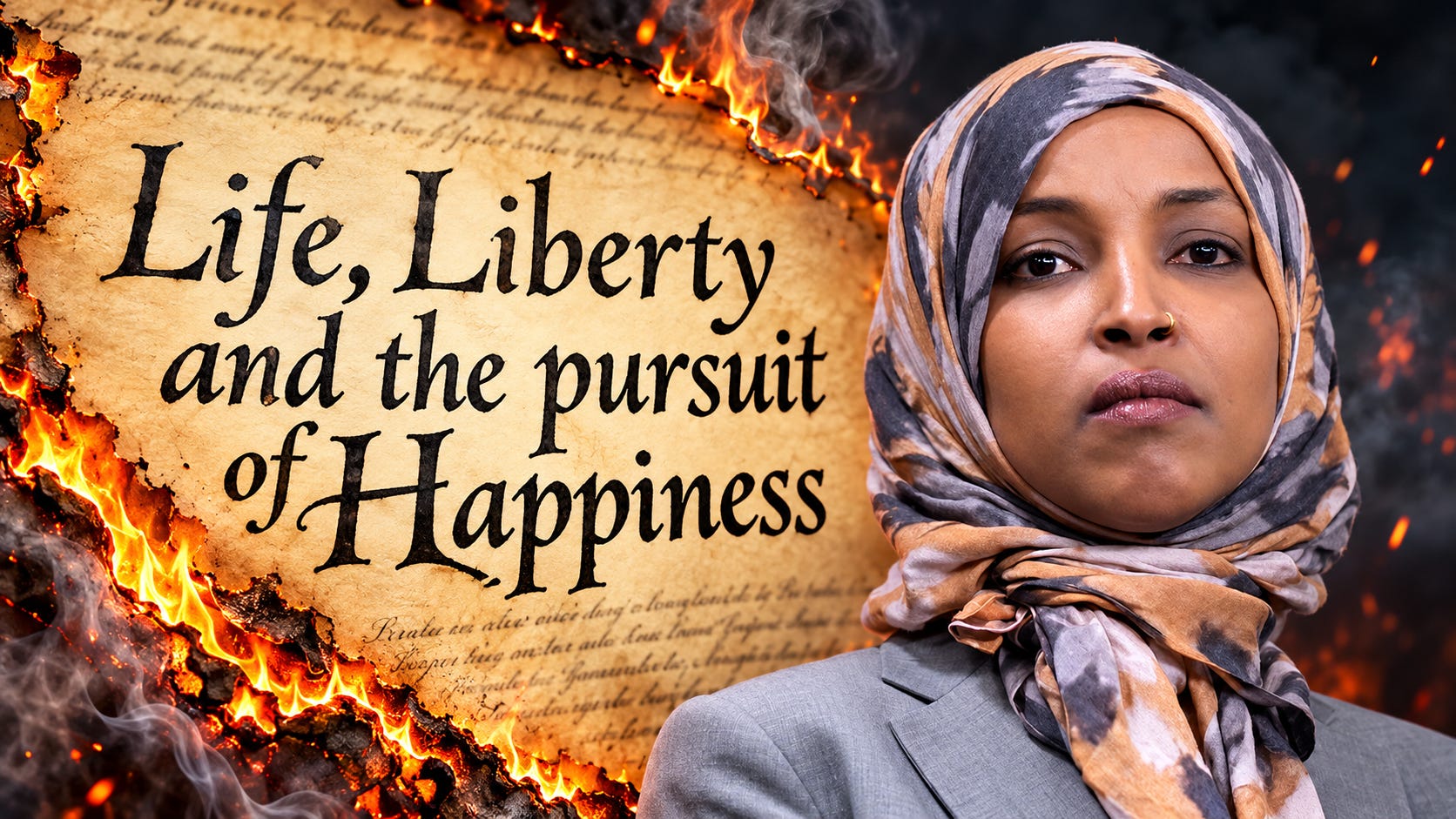
Ilhan Omar is supposed to be the lesson
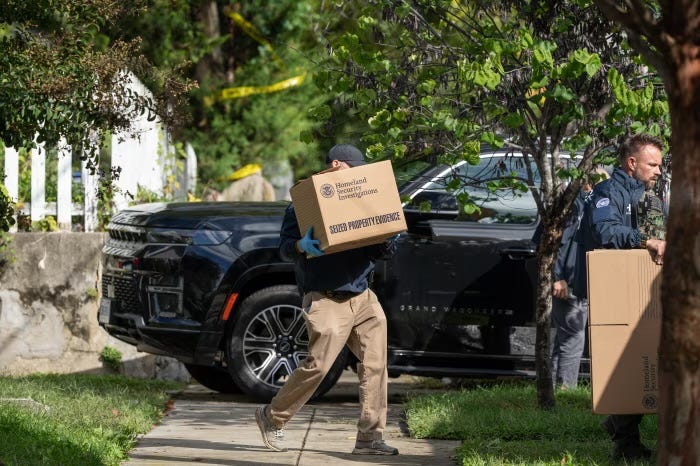
Federal agents have searched Democratic Rep. Ilhan Omar’s residence in Washington, D.C., for a criminal probe of unknown scope. She says that she’s being targeted by the current administration because she’s a political adversary. [4]
I also want the distinction between Hasan and Omar understood. One has been convicted of mass murder. The other is a congresswoman whose home has been searched. Dragging both into an appetite for public punishment is precisely the danger I’m examining.
For people already eager to see Omar punished, watching agents carry off boxes may be satisfying enough. But plenty of others, even people who think Omar’s political positions are untenable, may still insist that the investigation be judged on evidence.
They might oppose the notion that political enemies don’t deserve the same basic rights as everybody else. An effort to isolate Omar could give people who disagree with her a reason to stand beside her as they recognize that the same power could be used against them. That possibility belongs in the administration’s cost/benefit analysis.
Jerry, I take that danger seriously
Reader Jerry Spiegler raised the concern this argument has to confront. [9]
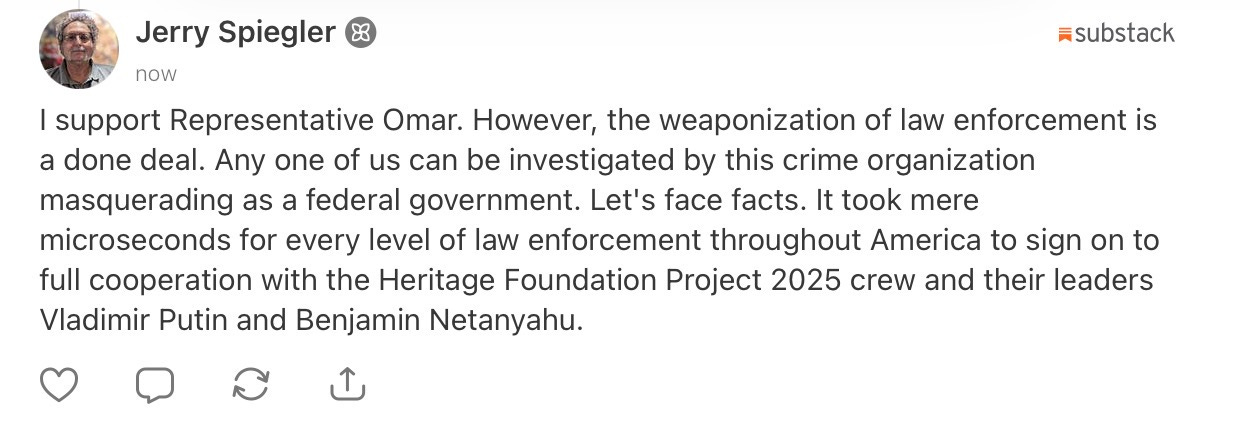
Jerry, I take seriously your warning that any of us can become a target. Because you invoke Vladimir Putin and Benjamin Netanyahu, let me answer that directly: this ain’t Russia and this ain’t Israel. I refuse to accept their governments as a finished script for our future. The people of the United States have yet to decide what we will tolerate and what we will protect. You declare the abuse of law enforcement a “done deal.” But even if true, the implications are far from clear.
How much cooperation can the people ordering these abuses count on keeping? Who will keep records of what they do? Who will resist them? My payback politics thesis addresses the resistance their actions can provoke.
Being Black in America gives me plenty of reasons to be skeptical when I’m told I can count on the protection of its institutions. I know how someone watching federal agents raid Omar’s house might feel about what’s to come. That fear gives us work to do.
Somebody has to make them find out
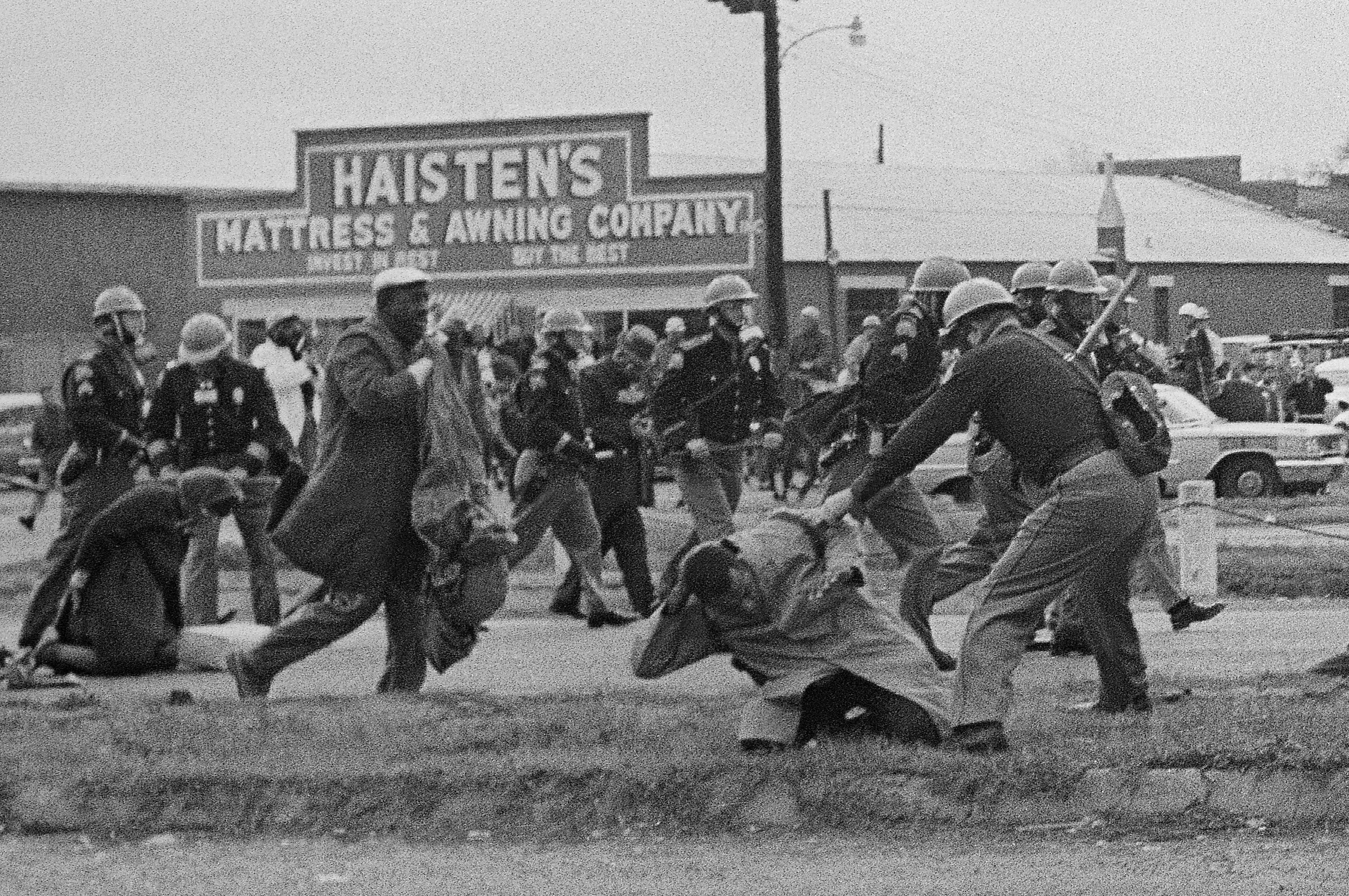
Consider Selma. Local organizers, including Selma activist Amelia Boynton, had been working on voter registration for years before Bloody Sunday. [5]
On March 7, 1965, Alabama state troopers attacked peaceful voting-rights marchers. News of Bloody Sunday helped mobilize public support for the Voting Rights Act. Violence used against people demanding political power became evidence supporting their demand. [6]
After Bloody Sunday, people returned to march. Organizers and supporters kept pressing for federal action. The violence created an opportunity, but a movement still had to do the work of turning public outrage into political consequences. [6][7]
I hate to give the impression that cruelty eventually exhausts itself while everybody else waits. People were beaten. Families had to live with the damage. An abusive government can undermine itself and still do terrible damage before anybody stops it.
Payback politics can make powerful people reckless. Those in authoritarian positions, hellbent on meting out punishment for insolence, become blind to who else they are turning against themselves. They wrongly believe that fear is forever effective and mistake cheers from their loudest supporters for popular consent.
The outrage needs to be channeled into action by preserving records, protecting whistleblowers, supporting those the state is targeting, supporting and participating in legal challenges, organizing voters, and pressuring our representatives to do their jobs. Sharing videos is fine, but people will want to know, after that, what they should be doing.
Republicans are speaking out against Hegseth’s proposal. [3] As for what will happen with the inquiry into Omar, who knows? We still have to demand evidence and pay attention to what the administration actually does.
I keep coming back to my mama’s “I wish you would.” I for one do not want to sit tight and wait for abusive rulers to trip over their own damn dicks. I want the vulnerable protected now. I want abusive policies to stop now.
Being able to inflict punishment does not mean you get to choose all the consequences.
That’s the find-out part.
This piece took forever to write. I went back over some of my earlier arguments, checked the reporting, and worked through a reader’s slightly different perspective. This essay is free thanks to paid subscribers and donors. If you want to support more work like this, become a paid subscriber.
If a subscription isn’t in the budget, you can make a one-time contribution through Buy Me a Coffee.
Thank you to the readers already making this work possible.
Sources
Reuters — “Plan to livestream execution creates ‘theater’ out of death penalty, Amnesty says”, October 9, 2026. Reporting on the proposed broadcast and Hasan’s conviction for killing 13 people at Fort Hood.
CNN — State of the Union transcript, October 11, 2026. The segment beginning at 9:53 a.m. includes Hegseth’s remarks about public viewing and Trump’s statement that he had not decided whether to broadcast the execution.
Reuters — “Republican opposition widens to livestreamed execution; Trump still weighing it”, October 9, 2026. Republican objections to the proposed livestream and the status of Trump’s decision.
Associated Press — “Agents search Rep. Omar’s Washington home in criminal probe as she vows she won’t ‘be silenced’”, October 12, 2026. Reporting on the search, the investigation’s unclear scope, and Omar’s response.
National Archives — “National Archives Marks 50th Anniversary of Selma March and Voting Rights Act”, August 13, 2015. Background on Amelia Boynton and the voter-registration organizing that preceded Bloody Sunday.
U.S. House of Representatives, History, Art & Archives — “Documentary: Selma and the Voting Rights Act of 1965”. The March 7 attack on peaceful marchers, the public response, and the subsequent legislative action.
National Park Service — “Learn About the Park: Selma to Montgomery National Historic Trail”. The later march to Montgomery and the organizing required to sustain it.
Xplisset — “I Told You So. Somebody Hide the Gatorade.”, September 28, 2026. The earlier explanation of payback politics revisited in this essay.
Jerry Spiegler — Substack reader comment. The comment supplied as a screenshot and addressed in the essay’s response to Jerry.