

Blackout Brief Daily | March 20, 2026

BREAKING UPDATE: Roughly 4,500 Marines and sailors attached to the USS Boxer amphibious ready group are now heading toward the Middle East, a move that pushes this war another step closer to the kind of ground-capable posture the White House keeps verbally denying.
Reuters separately reported Friday that the U.S. is sending thousands of additional Marines and sailors into the region, while other Friday reporting put the Boxer task force itself at about 4,500 personnel. The important point is not the exact public-facing phrasing. The important point is that this is a substantial ground-capable escalation.
And yes, it is fair to ask whether this was meant to disappear inside a Friday news dump. Big military escalations are often easier to slide past the public when they land at the end of the week, inside a crowded war cycle, while attention is already fractured.
A more in-depth breaking news article is coming shortly.
Five Things That Matter Today
• The U.S. is sending thousands more Marines and sailors toward the Middle East, including the USS Boxer and its Marine Expeditionary Unit, even as the White House still publicly denies any plan to put troops inside Iran. (reuters.com)
• Switzerland has halted weapons-export licenses to the United States over the Iran war, citing neutrality, which is a remarkable signal from a state that usually speaks in legalisms, not geopolitical slaps. (reuters.com)
• A new claim is circulating that a second U.S. F-35 was reportedly hit over Bandar Abbas, but at press time major wire reporting still independently confirmed only the earlier F-35 that made an emergency landing after likely Iranian fire. That makes the Bandar Abbas episode a real story, but not yet a settled fact. (indiatoday.in)
• The White House released a national AI framework urging Congress to preempt state AI laws, protect children, and keep energy costs from spiraling as data-center demand surges. That is not just a tech story. It is a federal-power story about who gets to regulate the next industrial layer. (reuters.com)
• While national coverage stayed centered on Iran escalation, troop movements, and AI power politics, the buried file turned up a different map of harm: a 1,500-bed ICE facility fight in New Jersey, retaliatory pressure on a Spanish-language journalist, a new threat to abortion coverage, a court rebuke of Kennedy’s anti-trans care move, disability discrimination in D.C. schools, and Black Atlantans being priced out while lawmakers profit from the housing market. (reuters.com)
If this briefing helps you see what the national headlines miss, restack it so someone else can see it too. The algorithm can be brutal, especially on a Friday news dump like this one, where a release about 4,500 additional troops looks like the kind of thing they hoped would slip past the public. But we can fight that. Restack it. Post it to Facebook. Email it to one person who needs to see it. That is how you drag a buried story back into the light.
I started this series because I got tired of watching Friday news dumps bury what matters. If this brief helped you catch what they hoped you would miss, help me fight it. Go paid here:
Not trying to add another subscription today? Easy out:
The news hierarchy audit in this window was blunt. Major national coverage was dominated by the widening Iran war: new Marine deployments, a Swiss neutrality rupture, arguments over whether Trump would escalate toward Kharg Island or the Strait of Hormuz, and the political and military fallout from the earlier F-35 incident. Outside that war file, one of the other major national pushes was the White House’s bid to centralize AI policy by squeezing state authority. (reuters.com)
But when the scan moved to Black press, local outlets, public radio, specialty immigration reporting, disability reporting, and legal coverage, a different country appeared. New Jersey sued over a massive new ICE center. A Nashville Noticias reporter got out of ICE detention after rights groups said her arrest looked retaliatory. Minnesota clergy kept fighting for access to detainees. Black press tracked the collapse of rural obstetric access for Black women and Baltimore’s attempt to harden city protections for immigrants. Capital B and Type Investigations documented Georgia lawmakers regulating a housing market many of them profit from directly. (reuters.com)
I am also not rerunning yesterday’s XVOA lead items unless the facts materially moved. That means I left out repeats like the $200 billion Pentagon ask, Texas’s drag-ban enforcement, Uganda deportation routing, and East Towson’s permit fight as standalone leads, because I did not find comparably large new reporting inside this 48-hour window. The Iran file returns today only where there are real updates: a new Swiss break, a fresh U.S. troop deployment, and a new but still unverified Bandar Abbas F-35 claim. (xplisset.com)
Top Breaking National Stories
1. U.S. Sends Thousands More Marines and Warships Toward the Middle East
Reported (ET): March 20, 2026, 10:29 a.m. ET. (reuters.com)
Summary
Reuters reported Friday that the United States is deploying thousands of additional Marines and sailors to the Middle East as the war with Iran enters its third week. The deployment includes the USS Boxer, its Marine Expeditionary Unit, and accompanying warships. Reuters said the buildup adds to the more than 50,000 U.S. troops already in the regionand would bring two Marine Expeditionary Units into the theater. Officials told Reuters no decision had yet been made to send troops into Iran itself, but the deployment builds capacity for possible future operations. Reuters also tied the new movement to earlier reporting that the administration had been studying options involving Iran’s shoreline and Kharg Island, even as public support for a ground war remained weak. (reuters.com)
Why It Matters
This is the kind of move that turns a war from “active” into “expanding.” Amphibious ships and Marine units are not rhetorical props. They are tools for coercion, strikes, landings, and occupation-adjacent scenarios if the White House decides to widen the mission. (reuters.com)
Who Is Affected
The first people exposed are Marines, sailors, and civilians in the theater. But the broader public is implicated too, because Reuters’ own reporting shows the administration is adding military capacity while most Americans still do not support a large-scale ground war. (reuters.com)
What Mainstream Missed
The dominant frame has been “more forces are moving.” The deeper frame is that this deployment keeps the White House’s options open for a conflict Trump still refuses to describe honestly in public. The troop movement says more than the press conference does. (reuters.com)
Sources
Reuters — “US to deploy thousands of additional troops to the Middle East, officials say.” Original reporting on the USS Boxer deployment, Marine buildup, and expanded regional posture. (reuters.com)
AP News — “The Latest: US deploys thousands more troops to the war as Iran threatens world tourism sites.” War roundup confirming additional Marines and warships moving into the region. (apnews.com)
2. Switzerland Halts Weapons Exports to the U.S. Over the Iran War
Reported (ET): March 20, 2026, 8:11 a.m. ET. (reuters.com)
Summary
Switzerland said Friday that it would not issue licenses for companies to export weapons to the United States because of the ongoing conflict involving Iran. Reuters reported the Swiss government explicitly stated that war materiel exports to countries involved in the armed conflict with Iran “cannot be authorised” for the duration of the conflict. The government also said that since the U.S.-Israeli strikes on Iran on February 28, no new licenses had been issued for U.S.-bound war exports. This came days after Switzerland rejected two U.S. flyover requests connected to Iran-war flights while approving three others deemed outside the conflict. For a country that guards neutrality like a state religion, this is a serious diplomatic signal, not a paperwork hiccup. (reuters.com)
Why It Matters
When a neutral European state starts tightening both overflight and arms-export permissions, that is a sign the war is no longer being read abroad as a brief punitive operation. Switzerland is effectively saying that the conflict has crossed a threshold serious enough to trigger neutrality law against Washington. (reuters.com)
Who Is Affected
The immediate effect is on U.S.-Swiss defense trade and any firms seeking fresh licenses. But the larger audience is America’s allies and suppliers, who are being forced to decide whether they are supporting an emergency or underwriting an open-ended war. (reuters.com)
What Mainstream Missed
A lot of war coverage still treats allied hesitation as atmospherics. Switzerland’s move is not mood. It is a legal and material refusal. It shows that even countries not throwing speeches at Washington are beginning to draw lines. (reuters.com)
Sources
Reuters — “Switzerland halts weapons exports to US due to Iran war, citing neutrality.” Original reporting on the license freeze and the government’s neutrality rationale. (reuters.com)
Reuters — “Swiss reject two flyover requests from US for flights related to Iran war, permits three others.” Earlier neutrality-based overflight decision that set the stage for the export halt. (reuters.com)
3. Claim of a Second F-35 Hit Over Bandar Abbas Remains Unconfirmed, but It Is Already Changing the War Narrative
Reported (ET): March 20, 2026. (indiatoday.in)

Summary
An India Today analysis piece published Friday said that a second U.S. F-35 was also reportedly hit over Bandar Abbas. That claim matters, but it is not independently confirmed at the same level as the earlier F-35 incident. Reuters and other major reporting reviewed during this run still independently confirmed only the first F-35 that made an emergency landing after likely Iranian fire during a combat mission over Iran. Al Jazeera likewise reported the emergency landing and the U.S. military’s statement that the pilot was stable while the incident remained under investigation. The honest frame, then, is not “a second F-35 was definitely shot down.” The honest frame is that a second-hit claim is now moving through the information war faster than major wire confirmation can catch up, and that alone tells you something about how fragile the administration’s air-superiority narrative has become. (indiatoday.in)
Why It Matters
If the Bandar Abbas claim proves true, it would be a major escalation in military significance. Even if it does not, the claim is already politically significant because it widens doubt about repeated U.S. assertions that Iran’s air defenses were flattened and unable to threaten advanced American aircraft. (indiatoday.in)
Who Is Affected
Pilots and mission planners are the first people implicated. But so are ordinary Americans being told this war is clean, controlled, and technologically one-sided, because the public case for escalation depends heavily on that assumption. (indiatoday.in)
What Mainstream Missed
Mainstream reporting properly moved cautiously on the Bandar Abbas claim. The missed angle is that the caution itself is part of the story. In this phase of the war, propaganda, rumor, partial official disclosure, and genuine battlefield damage are all colliding in real time. (indiatoday.in)
Sources
India Today — “Iran takes down US F35 fighter jet. Here’s how.” Analysis piece that said a second F-35 was also reportedly hit over Bandar Abbas. (indiatoday.in)
Reuters — “US objectives in Iran have not changed, Hegseth says.” Wire reporting confirming the earlier F-35 emergency landing after likely Iranian fire. (reuters.com)
Al Jazeera — “US F-35 aircraft makes emergency landing after a combat mission over Iran.” Additional reporting on the earlier confirmed incident and CENTCOM’s statement. (aljazeera.com)
4. White House AI Framework Pushes Congress to Override State AI Laws
Reported (ET): March 20, 2026, 8:28 a.m. ET. (reuters.com)
Summary
The White House on Friday released a national AI legislative framework that urges Congress to preempt state AI rules and replace them with a single national system. Reuters reported the framework says Congress should protect children, shield communities from rising energy costs tied to AI growth, and remove barriers to innovation. The White House document itself says Congress should preempt state laws that impose “undue burdens” and ensure a “minimally burdensome national standard, not fifty discordant ones.” The same document also argues states should not be permitted to regulate AI development because it is an “inherently interstate phenomenon” with foreign-policy and national-security implications. This is one of the clearest federal-power grabs in the AI fight so far, even if it arrives dressed in the language of efficiency and child safety. (reuters.com)
Why It Matters
This is not just a Silicon Valley wishlist. It is a struggle over where democratic leverage will live as AI reshapes schools, law enforcement, employment, speech systems, and the power grid. If Washington preempts the states on broad terms, some of the only governments currently trying to regulate AI harms could lose their leverage fast. (reuters.com)
Who Is Affected
Everyone touched by AI systems is affected, but communities with less bargaining power are especially exposed. State law is often where consumers, workers, students, and civil-rights advocates can move faster than Congress. A weak national standard could strip away that line of defense. (reuters.com)
What Mainstream Missed
A lot of AI coverage still treats state preemption as a compliance question. It is really a power question: whether the next regulatory floor will be built close to impacted communities or further inside a federal framework designed first to accelerate deployment and global dominance. (reuters.com)
Sources
Reuters — “Trump releases AI policy for Congress to pre-empt state rules.” Original reporting on the White House framework and its push for a single national regime. (reuters.com)
White House — “National Policy Framework for Artificial Intelligence.” Primary document spelling out state-law preemption, federal dominance, and the no-new-rulemaker approach. (whitehouse.gov)
5. State Department Finalizes a Narrower Humanitarian Bureau After USAID’s Dismantling
Reported (ET): March 20, 2026, 7:33 a.m. ET. (reuters.com)
Summary
Reuters reported that the State Department formally established a new Bureau of Disaster and Humanitarian Response on Friday, capping the administration’s post-USAID foreign-aid overhaul. Reuters said the new bureau will be staffed by about 200 officials, operate in 12 global hubs, and get about $5.4 billion a year. Devex separately reported the internal State Department notice describing the bureau as a consolidation of disaster response, humanitarian assistance, and food-security functions. Reuters also reported that USAID previously managed about $40 billion a year and handled much broader long-term development work before it was dismantled and absorbed. The new structure is not a simple rename. It is a narrowed model that openly deprioritizes climate work and what officials called “social causes.” (reuters.com)
Why It Matters
This is foreign policy by subtraction. The United States is shrinking what counts as humanitarian responsibility and tying aid more tightly to strategic alignment and “America First” filters. When relief gets narrower, vulnerable people abroad do not disappear. They just fall out of Washington’s chosen frame. (reuters.com)
Who Is Affected
People in disaster zones, refugees, food-insecure communities, and countries that depended on broader USAID development programs are affected first. The cuts also hit aid workers, partner NGOs, and the wider ecosystem that handled long-horizon public health, climate resilience, and development planning. (reuters.com)
What Mainstream Missed
Some coverage will treat this as bureaucratic cleanup after USAID’s takedown. It is better understood as ideological redesign. The administration is not merely rebuilding aid machinery. It is redefining which human lives and which crises count as America’s business. (reuters.com)
Sources
Reuters — “US State Dept forms new humanitarian bureau after foreign aid overhaul.” Original reporting on the new bureau’s size, budget, and narrowed mission. (reuters.com)
Devex — “State Dept. announces new humanitarian bureau, leadership team.” Trade reporting on the internal notice and how the bureau consolidates disaster response, aid, and food security. (devex.com)
Stories Buried Beneath the National Headlines
6. New Jersey Sues to Block a Proposed 1,500-Bed ICE Detention Center
Reported (ET): March 20, 2026, 12:58 p.m. ET. (reuters.com)
Summary
New Jersey sued the Trump administration on Friday over a proposed immigration detention center in Roxbury. Reuters reported the state and Gov. Mikie Sherrill are trying to stop DHS and ICE from converting a vacant warehouse into a facility with capacity for 1,500 detainees. Reuters said the lawsuit argues the federal government is moving ahead without adequately addressing concerns about water, sewage, public safety, and the site’s sensitive environment. CBS New York’s local reporting added that the complaint says the facility could generate wastewater at more than 15 times the currently approved limit and would also bring up to 1,000 workers to the site. Reuters tied the project to a much larger detention buildout, reporting the administration plans to spend more than $38 billion on detention and boost ICE bed space to 92,600. (reuters.com)
Why It Matters
Detention expansion is immigration policy turned into real estate, infrastructure, and environmental burden. A 1,500-bed center is not a technical adjustment. It is a local manifestation of a national plan to normalize mass civil detention at a bigger scale. (reuters.com)
Who Is Affected
Detainees are the most obvious people affected, but so are residents near the site, local water and sewer systems, and communities forced to absorb the public-safety and environmental burdens of federal detention expansion. Immigrant communities across the region are affected because a new bed often becomes a new incentive to fill it. (reuters.com)
What Mainstream Missed
While national outlets stayed focused on Marines, Swiss neutrality, and AI preemption, this story was pushed forward by state officials and local reporting on Roxbury’s concrete risks. It satisfies the buried-story test because it is being driven by local and state coverage, and because the national immigration frame usually discusses raids and removals without dwelling on the physical detention infrastructure that makes them possible. (reuters.com)
Sources
Reuters — “New Jersey sues Trump administration over proposed ICE facility.” Original reporting on the lawsuit, detention capacity, and the administration’s larger detention buildout. (reuters.com)
CBS New York — “New Jersey suing ICE to block Roxbury detention center.” Local reporting on wastewater, infrastructure strain, and local opposition. (cbsnews.com)
7. Nashville Noticias Reporter Released After ICE Detention That Advocates Called Retaliatory
Reported (ET): March 19, 2026, 10:44 p.m. ET; followed on March 20. (reuters.com)
Summary
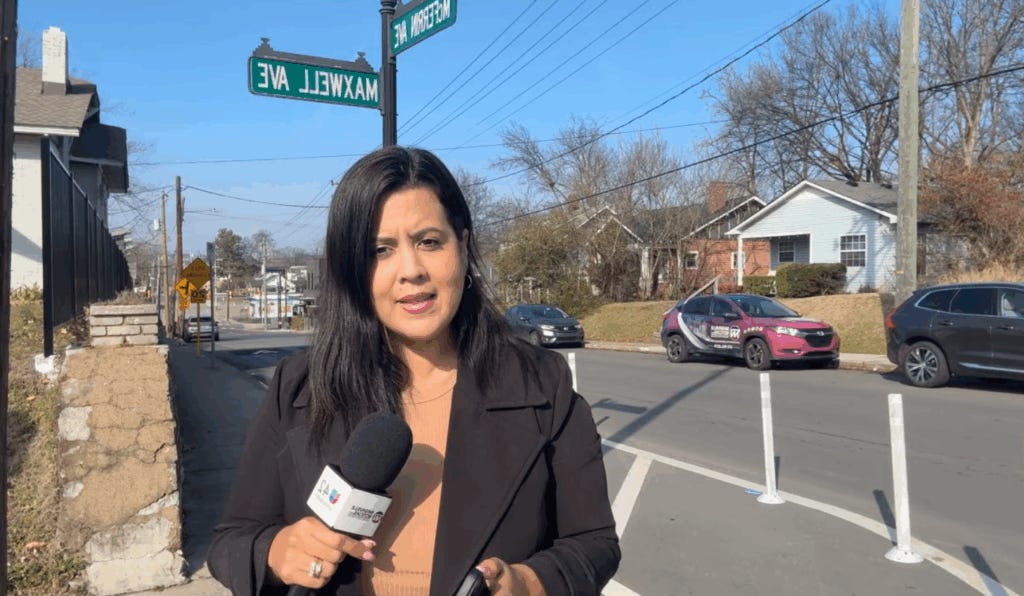
Reuters reported that Estefany Maria Rodriguez Florez, a Colombian reporter for the Spanish-language outlet Nashville Noticias, was released from ICE custody after 16 days. Reuters said her detention had drawn condemnation from human-rights, immigration, and press-freedom groups, and quoted her lawyers saying she frequently reports critically on ICE. AP reported she was released after paying a $10,000 bond ordered by a Louisiana immigration judge. Both Reuters and AP reported that she has lived in the U.S. for years, has a valid work permit, and is seeking permanent legal status through her U.S.-citizen husband while pursuing asylum claims rooted in threats she says she faced in Colombia. Her case is still continuing, which means the release is not the end of the story. It is the start of the next fight. (reuters.com)
Why It Matters
When a journalist who covers immigration enforcement gets detained by the same enforcement system she reports on, the free-speech question is unavoidable. Even if ICE insists the arrest was a standard immigration matter, the chilling effect on immigrant and noncitizen journalists is obvious. (reuters.com)
Who Is Affected
Rodriguez Florez and her family are directly affected, but so are immigrant communities that depend on Spanish-language local reporting, and journalists who do accountability reporting while lacking the full protections of citizenship. A newsroom can be intimidated one detention at a time. (reuters.com)
What Mainstream Missed
This story did break into national coverage, but mostly as a narrow detention update. The larger frame came from press-freedom and immigrant-rights advocates: a local journalist with a valid work permit was taken off the street after covering ICE critically. That broader democratic consequence stayed well below the level of the day’s military and White House stories. (reuters.com)
Sources
Reuters — “Nashville reporter arrested by US ICE has been released, her legal team says.” Original reporting on the release, legal status, and rights groups’ reaction. (reuters.com)
AP News — “Spanish-language reporter in Tennessee is released from immigration detention on bond.” Additional reporting on bond, legal claims, and First and Fifth Amendment arguments. (apnews.com)
8. Minnesota Clergy Are Still Fighting for Pastoral Access to Detainees at the Whipple ICE Facility
Reported (ET): March 20, 2026. (apnews.com)
Summary
AP reported that Protestant and Catholic clergy are asking a federal judge to order DHS to let them minister in person to immigrants detained at the Bishop Henry Whipple Federal Building in Minneapolis. The lawsuit says ICE blocked them from offering prayer, sacramental ministry, and spiritual care during moments of what the filing called fear, isolation, and despair. AP reported that the clergy say they were turned away repeatedly, including on Ash Wednesday, and that access problems have persisted through Lent and Ramadan. Federal attorneys say visitation restrictions were eased after Operation Metro Surge officially ended, but AP reported that clergy still say access remains inconsistent and case-by-case. The point is not whether visitation has improved slightly. The point is whether the government gets to make spiritual care contingent on detention logistics during a crackdown. (apnews.com)
Why It Matters
This is an immigration story, but it is also a religious-freedom story. If clergy cannot reliably reach detainees in a major holding site, detention becomes not only physical confinement but spiritual isolation by state discretion. (apnews.com)
Who Is Affected
Detainees are directly affected, especially those relying on religious care during trauma and uncertainty. Clergy and faith communities are also affected because the suit argues their own constitutional and statutory rights are being blocked. (apnews.com)
What Mainstream Missed
This story satisfies the buried-story test because it sits at the intersection of immigration, religion, and constitutional rights, yet it has been driven mainly by AP, local, and specialty coverage rather than becoming a sustained national headline. While dominant coverage chased Iran escalation, this file documented what enforcement power does inside a detention building. (apnews.com)
Sources
AP News — “Clergy seek court order to allow pastoral access to immigrants held at Minneapolis ICE facility.” Current reporting on the injunction request and clergy allegations. (apnews.com)
MPR News — “Minnesota clergy sue DHS over access to immigration detainees.” Background on the lawsuit and the Whipple building’s role in detention during Metro Surge. (mprnews.org)
9. Judge Ends the Asylum Claim of Liam Conejo Ramos’s Family
Reported (ET): March 19, 2026. (reuters.com)

Summary
Reuters reported that an immigration judge ended the asylum claim of Liam Conejo Ramos, the 5-year-old boy whose detention during Operation Metro Surge became one of the defining images of the crackdown. Reuters said Liam and his father were taken into custody in January, held in Texas for 10 days, then released and returned to Minnesota, where his bunny-hat photo came to symbolize the human cost of the raids. AP reported the family has now been ordered deported to Ecuador, according to their lawyer, and that an appeal is planned. Reuters also quoted Liam’s school district calling the decision “heartbreaking” and emphasizing the profound human impact on children and families. When a child becomes a symbol, institutions like to talk about optics. This case is not optics. It is the machinery of deportation moving through a child’s life. (reuters.com)
Why It Matters
This story condenses the whole moral argument around the crackdown into one case. A system willing to traumatize a child publicly is a system that has already made peace with spectacle as policy. (reuters.com)
Who Is Affected
Liam and his family are directly affected, but so are immigrant families watching what happens when compliance, schooling, and community visibility still fail to protect a child. Schools, teachers, and neighborhoods are also forced to absorb the trauma after the cameras leave. (reuters.com)
What Mainstream Missed
The case received flashes of national attention earlier because of the photo. What has been easier to miss is the legal afterlife: asylum termination, appeal limbo, and the institutional normalization of harm to children. While bigger outlets stayed keyed to war and Washington, this story kept moving in the immigration courts. (reuters.com)
Sources
Reuters — “Judge ends asylum claim of Minnesotan boy detained by ICE, report says.” Current reporting on the judge’s decision and the school district’s response. (reuters.com)
AP News — “Asylum claim denied for the family of the boy in a bunny hat detained with his father, lawyer says.” Additional reporting on the deportation order and appeal. (apnews.com)
10. Black Atlantans Are Being Priced Out While Georgia Lawmakers Profit From the Housing Market They Regulate
Reported (ET): March 19, 2026. (capitalbnews.org)
Summary
Capital B, in partnership with Type Investigations, reported that nearly two-fifths of Georgia legislators tasked with shaping housing policy are personally invested in the state’s real-estate market. The investigation ties those conflicts to a metro Atlanta housing crisis fueled in part by corporate investors and cash offers ordinary residents cannot match. Capital B reported one Atlanta renter watched his rent double over the last decade while failing to compete against investor bids for modest homes. NCRC’s prior Atlanta work gives the racial context: the region had one of the nation’s highest numbers of census tracts flipping from majority Black to majority white over recent decades. Put plainly, the people writing the rules increasingly have money in the same machine displacing Black residents. (capitalbnews.org)
Why It Matters
Housing injustice is often narrated as an unfortunate market trend. This reporting makes a sharper claim: some of the lawmakers ostensibly regulating the market are materially entangled in it. That turns a housing crisis into a governance crisis. (capitalbnews.org)
Who Is Affected
Black Atlantans facing rent spikes, investor competition, and neighborhood churn are the clearest people affected. The impact lands especially hard in communities already living with the long afterlife of segregation, predatory investment, and gentrification-driven displacement. (capitalbnews.org)
What Mainstream Missed
This story was driven by Black press and nonprofit investigative reporting, not by the dominant national agenda. It qualifies as buried because it surfaced first on the media edge, and because national housing coverage often talks about affordability without naming the racialized power structure that decides who gets squeezed and who cashes out. (capitalbnews.org)
Sources
Capital B / Type Investigations — “Black Residents Are Being Priced Out of Atlanta as Lawmakers Profit.” Original Black-press investigation into lawmakers’ real-estate ties and Atlanta displacement. (capitalbnews.org)
NCRC — “New report maps decades-long racial shift in Atlanta neighborhoods.” Context on the metro region’s high rate of majority-Black-to-majority-white tract flips. (ncrc.org)
11. Black Women in Rural Communities Are Getting Hit First by Obstetric Retrenchment
Reported (ET): March 20, 2026. (afro.com)
Summary
AFRO reported Friday that Black women in rural areas are bearing the brunt of declining medical services, especially shrinking access to obstetric care. The story ties the decline to policy pressure on rural clinics and hospitals, including reduced federal reimbursement and broader Medicaid strain. AFRO reported that Black women are three to four times more likely to die from pregnancy-related complications and are also more likely to lose infants to premature death, while rural women face shrinking access to specialists and routine screenings. Reuters’ recent reporting on rural hospitals adds structural context: more than 40% of rural hospitals are operating at a loss, and recent Medicaid changes threaten to leave even more people uninsured. This is not just a health-systems story. It is the kind of slow emergency that shows up first in Black maternal risk and then radiates outward. (afro.com)
Why It Matters
Black maternal vulnerability does not begin in the delivery room. It begins in policy decisions that hollow out local care, stretch travel times, close maternity units, and make pregnancy more dangerous before a crisis even arrives. (afro.com)
Who Is Affected
Black women in rural communities are directly affected, along with infants, families, and under-resourced hospitals trying to carry a growing burden with fewer supports. The risk is compounded in regions where Medicaid does more of the work and private systems do less. (afro.com)
What Mainstream Missed
This story qualifies as buried because Black press centered it while national coverage stayed fixed on war, macroeconomics, and Washington process. It also satisfies the coverage-gap rule because too much mainstream maternal-health coverage still treats rural hospital distress and Black maternal outcomes as adjacent issues instead of one connected system of harm. (afro.com)
Sources
AFRO — “Black women in rural areas grapple with stark decline in obstetric care.” Black-press reporting on shrinking access, policy pressure, and Black maternal risk. (afro.com)
Reuters — “The fragile economies at the heart of rural hospitals.” Context on rural hospital losses, Medicaid strain, and system fragility. (reuters.com)
12. Federal Judge Says RFK’s Move Against Gender-Affirming Care for Minors Overreached
Reported (ET): March 19, 2026, 10:02 p.m. ET. (reuters.com)
Summary
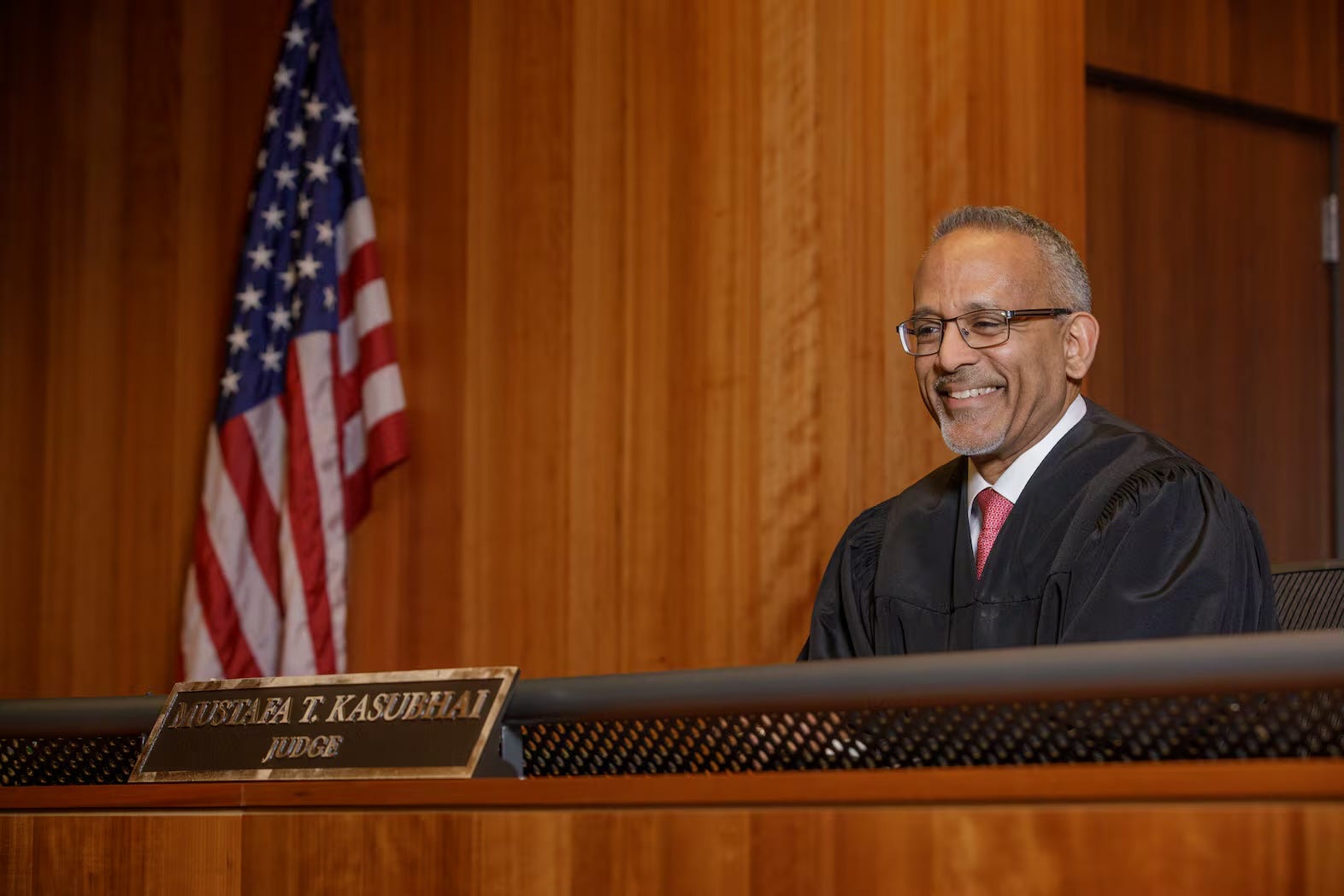
U.S. District Judge Mustafa Kasubhai, a President Joe Biden appointee, said Thursday he would block Health Secretary Robert F. Kennedy Jr.’s move that would have sharply restricted providers from offering gender-affirming care to minors. Reuters reported the declaration had threatened providers by suggesting HHS could bar those offering such care from Medicare and Medicaid and block CHIP from paying for it. AP reported the judge found Kennedy had not followed proper administrative procedures and granted preliminary relief to providers. Both reports stressed the same bottom line: care for transgender young people remains legal, and the federal government cannot use an irregular declaration to intimidate providers out of practicing medicine. The decision does not end the broader anti-trans campaign. It does, for now, halt one of its more coercive federal tools. (reuters.com)
Why It Matters
This is a trans-centered story with national consequences. It sits at the intersection of federal administrative power, bodily autonomy, and whether care can be strangled without Congress ever passing a ban. (reuters.com)
Who Is Affected
Trans youth, their families, and medical providers are directly affected. So are states trying to protect care from federal intimidation and politically driven pseudo-rulemaking. (reuters.com)
What Mainstream Missed
National outlets did cover the ruling, but mostly as a legal skirmish. The larger consequence is what the attempted declaration reveals: the administration is willing to use Medicare, Medicaid, and federal program leverage to frighten providers before a formal nationwide ban exists. Overshadowed by Iran and military escalation, that reality did not get the weight it deserved. (reuters.com)
Sources
AP News — “Judge rules the government overreached with transgender health care declaration.” Reporting on the procedural and practical limits the ruling imposed. (apnews.com)
Reuters — “Judge says he will bar RFK move aimed at cutting gender-affirming care for minors.” Reporting on the declaration, its threatened penalties, and the judge’s ruling. (reuters.com)
13. HHS Opens New Investigations Into 13 States Over Abortion Coverage Mandates
Reported (ET): March 19, 2026. (apnews.com)
Summary
The Trump administration announced Thursday that HHS has opened investigations into 13 states that require state-regulated insurance plans to cover abortion. AP reported the probes are tied to a broader Trump reinterpretation of the Weldon Amendment, one that potentially brings employers and plan sponsors into the definition of protected health-care entities. HHS’ own press release said the states are allegedly coercing health entities to provide abortion coverage “contrary to conscience” and made clear the announcement is part of a broader administration promise to expand conscience-rights enforcement. AP noted that legal scholars view this as a partisan swing in how Weldon is interpreted and warned that the move could set up future fights over Medicaid funding and state reproductive-freedom laws. This is the kind of abortion story that does not arrive with a clinic-door image. It arrives through civil-rights offices, statutory interpretation, and funding leverage. (apnews.com)
Why It Matters
Reproductive control often advances through the bureaucracy before it reaches the ballot box. If HHS uses Weldon aggressively, states that protected abortion access after Dobbs could face a new federal pressure campaign through investigations and funding threats. (apnews.com)
Who Is Affected
Women needing insurance coverage for abortion, employers, insurers, and residents in states that tried to preserve reproductive access are all affected. Low-income people face the greatest exposure if conscience-law enforcement becomes a pathway to larger funding threats. (apnews.com)
What Mainstream Missed
The story was covered, but not with the urgency its mechanics deserve. While louder national coverage stayed fixed on Iran and Trump’s war posture, this was a quiet federal escalation against abortion access, driven through administrative interpretation rather than headline-ready legislation. (apnews.com)
Sources
AP News — “Trump administration investigates states over abortion coverage requirement.” Reporting on the 13-state probe and the new interpretation of Weldon. (apnews.com)
HHS — “HHS’ Office for Civil Rights Investigates Thirteen States Under Federal Conscience Law.” Primary announcement of the investigations and the administration’s legal rationale. (hhs.gov)
14. Federal Civil-Rights Office Says D.C. Public Schools Discriminated Against Students With Disabilities
Reported (ET): March 18–19, 2026. (ed.gov)
Summary
The U.S. Department of Education’s Office for Civil Rights concluded that D.C. Public Schools violated Section 504 and Title II by denying students with disabilities a free and appropriate public education. OCR’s findings said DCPS failed students through delayed evaluations, inadequate individualized placements, and unreliable transportation. NBC Washington reported the department is recommending changes and warned that failure to correct the problems could cost the district federal money. Local reporting also quoted a longtime disability-rights attorney describing the system as one that forces parents into repeated legal fights just to secure services their children are already entitled to. This is not a one-child case. It is a district-level civil-rights finding about a public system failing disabled students at scale. (ed.gov)
Why It Matters
Disability rights often disappear from the front page until a single dramatic incident occurs. But the quieter scandal is structural: when a school system normalizes delay, denial, and attrition, discrimination becomes policy by routine. (ed.gov)
Who Is Affected
Disabled students and their families are directly affected, especially those without the money, time, or legal skill to wage repeated battles against the district. Transportation failures and delayed evaluations disproportionately punish families already carrying more care burden than the system acknowledges. (ed.gov)
What Mainstream Missed
This story qualifies as buried because it emerged through a federal civil-rights finding and local education reporting while the national agenda stayed elsewhere. It also reveals a pattern that is often framed as isolated parent frustration rather than systemic discrimination against disabled children. (ed.gov)
Sources
U.S. Department of Education OCR — “Office for Civil Rights Concludes D.C. Public Schools Discriminates Against Students with Disabilities.” Primary federal finding on the Section 504 and ADA violations. (ed.gov)
NBC Washington — “Dept. of Ed says DCPS discriminated against kids with disabilities.” Local reporting on the finding, potential federal funding consequences, and parent-advocate perspective. (nbcwashington.com)
15. Baltimore Weighs a ‘Safe Spaces and Communities’ Bill to Limit Cooperation With Federal Immigration Enforcement
Reported (ET): March 20, 2026. (afro.com)
Summary
AFRO reported Friday that the Baltimore City Council is considering the “Safe Spaces and Communities” bill, which would prohibit discrimination based on actual or perceived immigration status and restrict when city agencies can coordinate with federal immigration officials. AFRO reported the bill was heard in committee and would also require city entities to adopt immigration-response plans and clearer data-governance rules. Baltimore’s legislative file shows the measure remains in committee and details its broad scope, including policies governing Baltimore Police Department interactions with federal officials. The broader local context is that Baltimore leaders have also been advancing separate efforts to keep private detention centers out of the city through zoning. This is a city trying to harden its civic boundaries against a federal enforcement model that keeps widening. (afro.com)
Why It Matters
Local government is one of the last places where communities can still build procedural shields against federal immigration overreach. When cities start writing those shields into law, they are acknowledging that vague assurances are no longer enough. (afro.com)
Who Is Affected
Immigrant residents are the clearest people affected, including African, Caribbean, Latino, and mixed-status communities in Baltimore. But city workers, public schools, police, and neighborhood institutions are also implicated because the bill is about how the whole municipal system behaves under federal pressure. (afro.com)
What Mainstream Missed
This story was advanced by Black press and municipal records rather than the national immigration conversation. It qualifies as buried because it was reported locally while national attention stayed on war, and because the real question, how cities can structurally limit cooperation with immigration enforcement, is usually drowned out by spectacle coverage of raids. (afro.com)
Sources
AFRO — “City Council holds hearing on bill to protect immigrant residents.” Black-press reporting on the Safe Spaces and Communities proposal and committee hearing. (afro.com)
Baltimore City Legistar — File #26-0144, “Baltimore City Policies and Procedures - Safe Spaces and Communities.” Primary legislative record showing the bill’s status, text, and committee history. (baltimore.legistar.com)
WBAL-TV — “‘Deeply personal for me’: Baltimore City Council introduces bill to ban private detention centers.” Local context showing the city’s broader anti-detention and anti-cooperation posture. (wbaltv.com)
Representation Check
• LGBTQ stories included: yes. The federal ruling against Kennedy’s anti-trans-care move is included. (reuters.com)
• Black women stories included: yes. The rural obstetric-care story centers Black women directly. (afro.com)
• Trans-centered story included: yes. The gender-affirming-care ruling is the trans-centered entry in this brief. (reuters.com)
Closing Note on Coverage Gaps
Today’s reporting hierarchy revealed a familiar split. National outlets were drawn to state violence at scale, alliance fractures, AI power politics, and the machinery of war. That matters. But the buried file showed where state power becomes intimate: in a detention center proposal, in a journalist’s bond hearing, in a trans teen’s doctor, in a disabled child’s bus route, in a Black mother’s distance from an obstetric ward, and in a city deciding whether federal immigration power gets easy access to its institutions. The top file told you what power was doing out loud. The buried file told you who it was already doing it to. (reuters.com)today?
Support XVOA
I started this series because I got tired of watching Friday news dumps do what they are designed to do: slide important stories past tired people on their way into the weekend. So yes, you can absolutely read this, shake your head at the game, and assume somebody else will help me fight it. That would be convenient. It would also be how the game keeps winning.
If this work helps you see what they hoped you would miss, support it. A paid subscription buys me more time to keep digging.
But if you do not want another subscription, or just are not trying to marry me financially today, the easy out is simple: buy me a coffee instead.
Right you are about the Friday news dumps! The goal of the plethora of news is to numb us so we don’t resist. That was explicitly stated by Bannon and is part of the autocracy playbook.
Regarding Baltimore's move to actually put into effect ways to prevent the disastrous removals of immigrants - its past time for cities to do so. And the sneaky backdoor attempts of DHS etc to move into communities before there is awareness shows the need for yet another prevention program. These prisons have been prevented in many cases, but awareness is so important.
So much information about so many different issues - Thank you