

Crown or rain. Choose.
Don’t show vulnerability. Don’t be late. Don’t be messy. Don’t cuss. Don’t make it about you. Don’t get mystical. Don’t say the quiet part. Don’t question the uniform. Don’t miss the headline. Don’t shame the race.
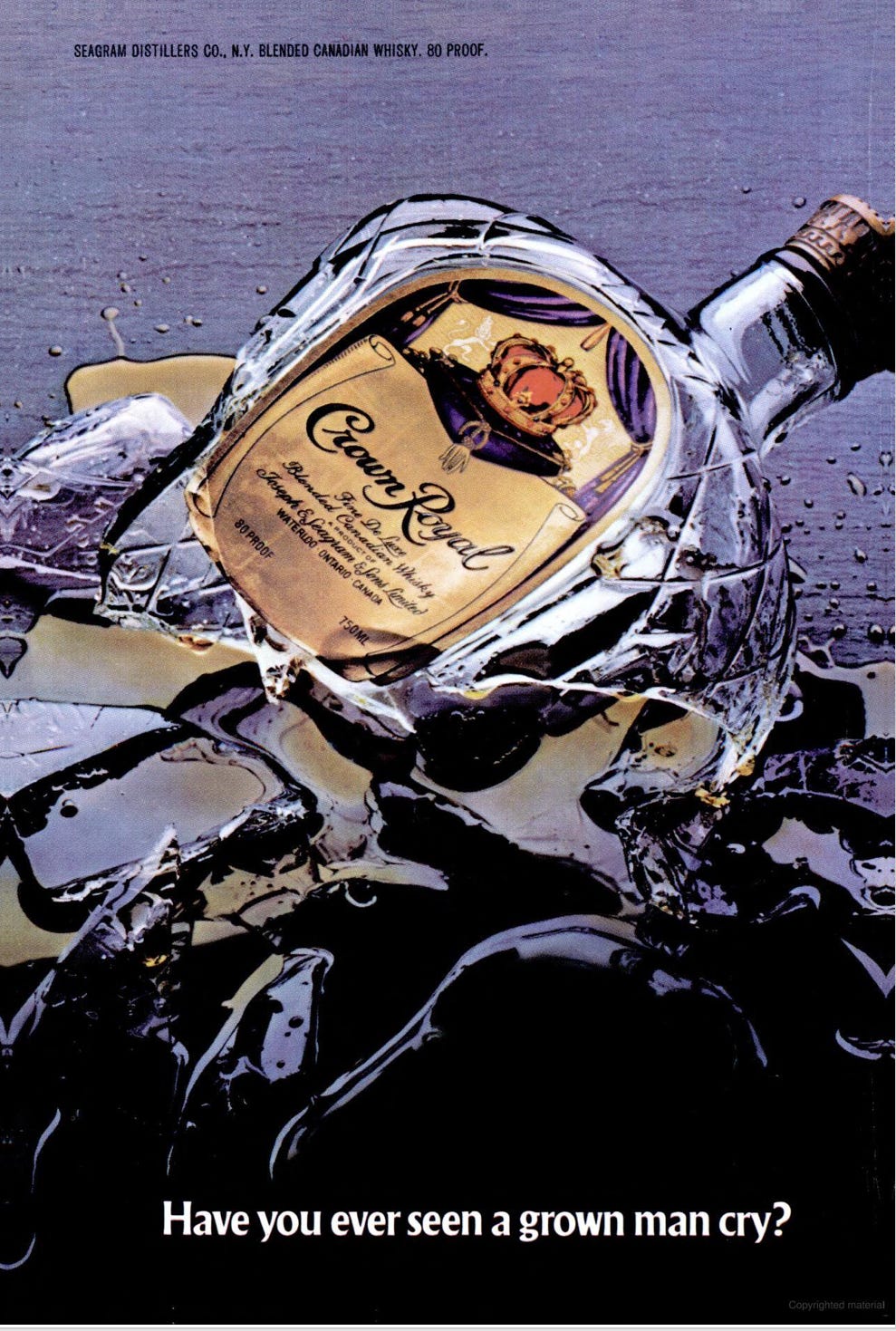
I did not want to write this. It was late. It felt so much like putting our damn business in the streets. That voice sat on my chest while I flipped open Jet, October 22, 1984. First page. A bottle on ice and a dare: “Have you ever seen a grown man cry?” Permission and a muzzle in one frame. Tears licensed. Numbing offered. Crown over rain.
Yes, I’m being dramatic. After seeing that ad, it was as if something somewhere somehow spoke through the dark and told me to tell it plain. Or it was just sleep deprivation laced with Mountain Dew. Either way, I’m here.
And then 1984 keeps talking to you. Prince on the radio every hour. Car windows cracked. The purple guitar slides in with
“I never meant to cause you any sorrow. I never meant to cause you any pain.”
That was the apology loop they trained into us. Be perfect. If you slip, apologize for existing. The chorus breaks that spell.
“I only wanted to see you laughing in the purple rain.”
Not a joke. A ritual. Purple as bruise and royalty and church cloth. Rain as cleansing and public weather. The song turned pop radio into an altar where grief could breathe and become mercy.
If this sits in deep down somewhere inside of you, ride with us.
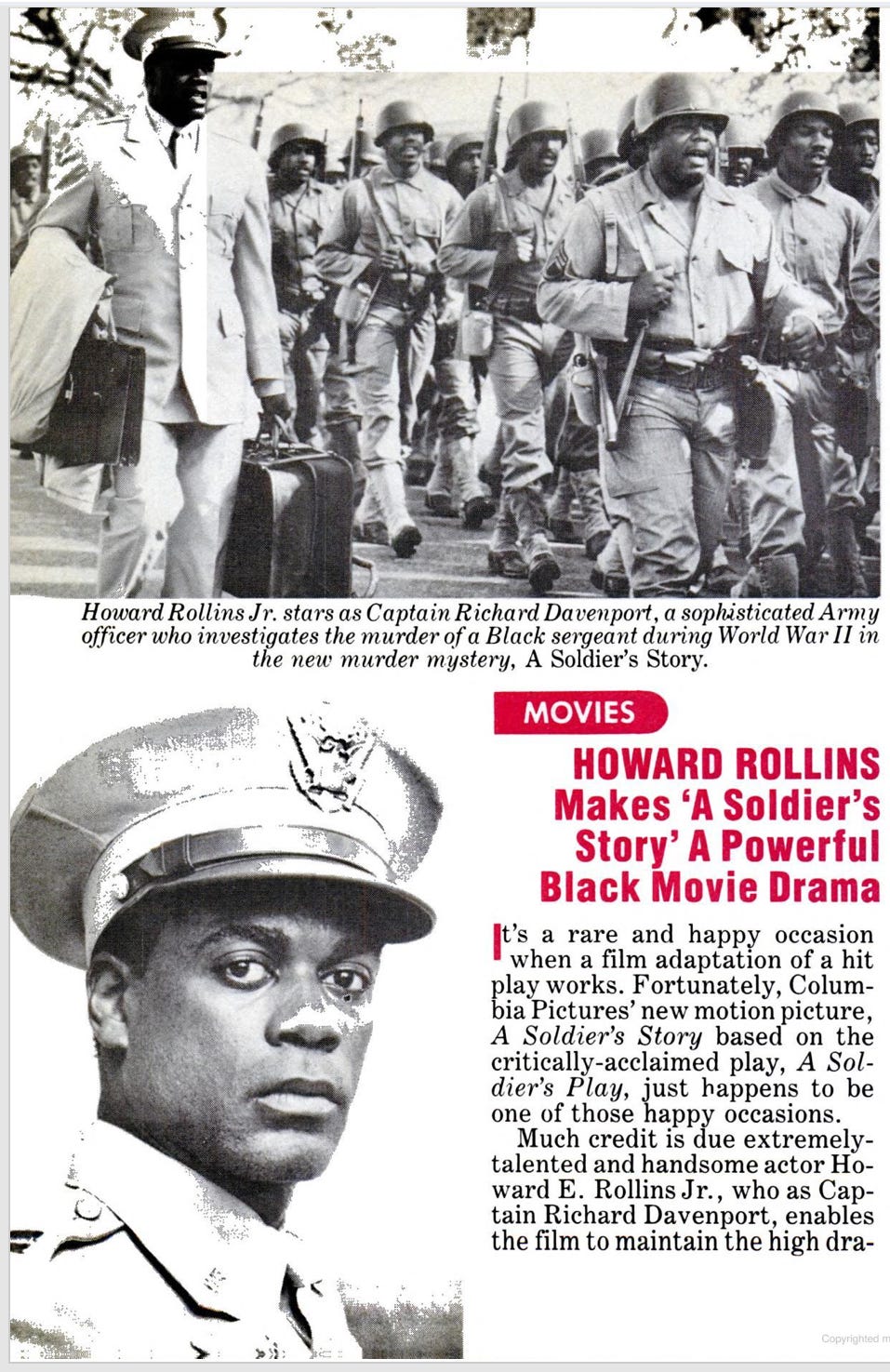
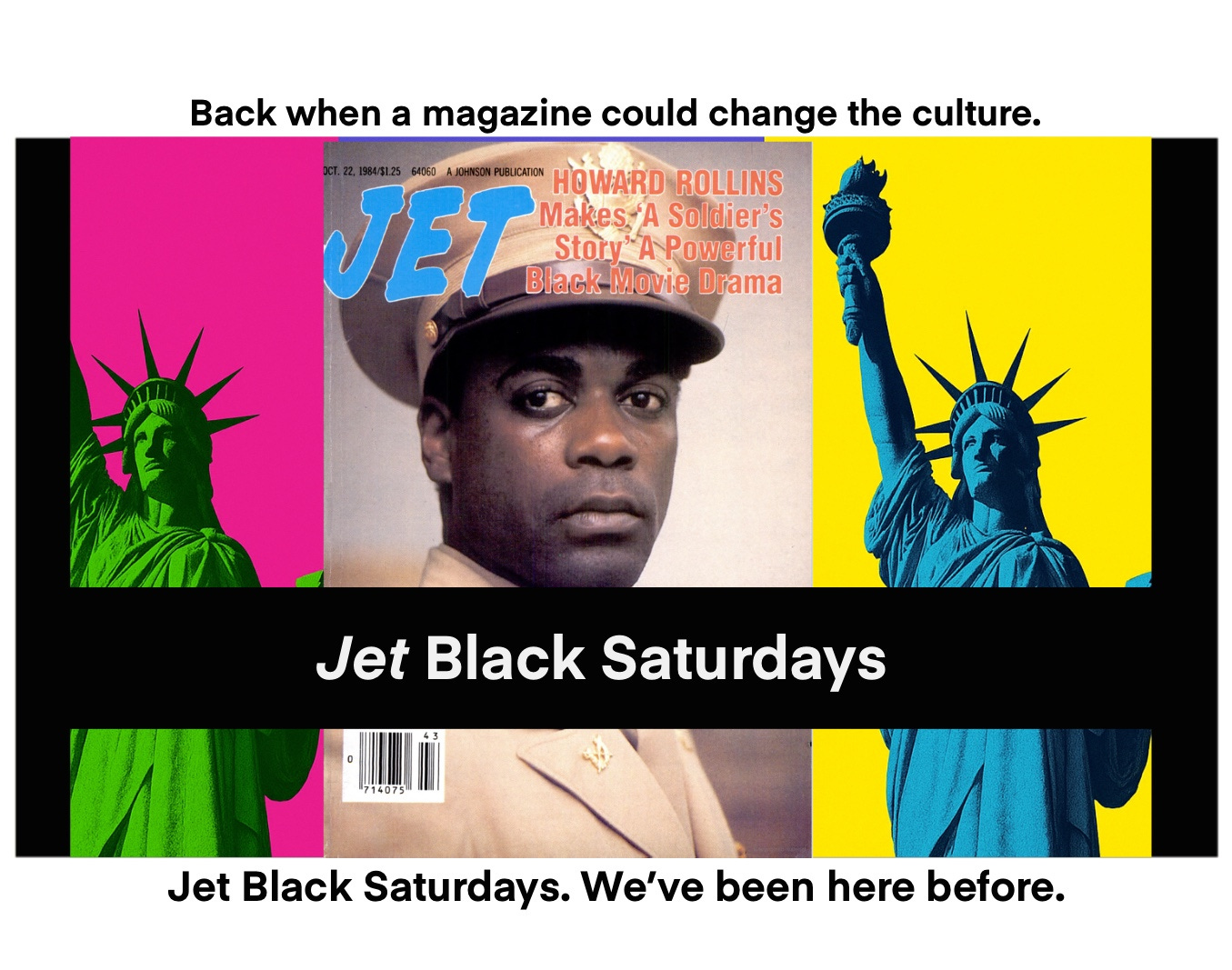
I turn the Jet pages and there he is. Howard Rollins in A Soldier’s Story. The feature reads like celebration. It is also a warning. The film is not about soldiers. It is about the violence we do to ourselves in the name of respectability.
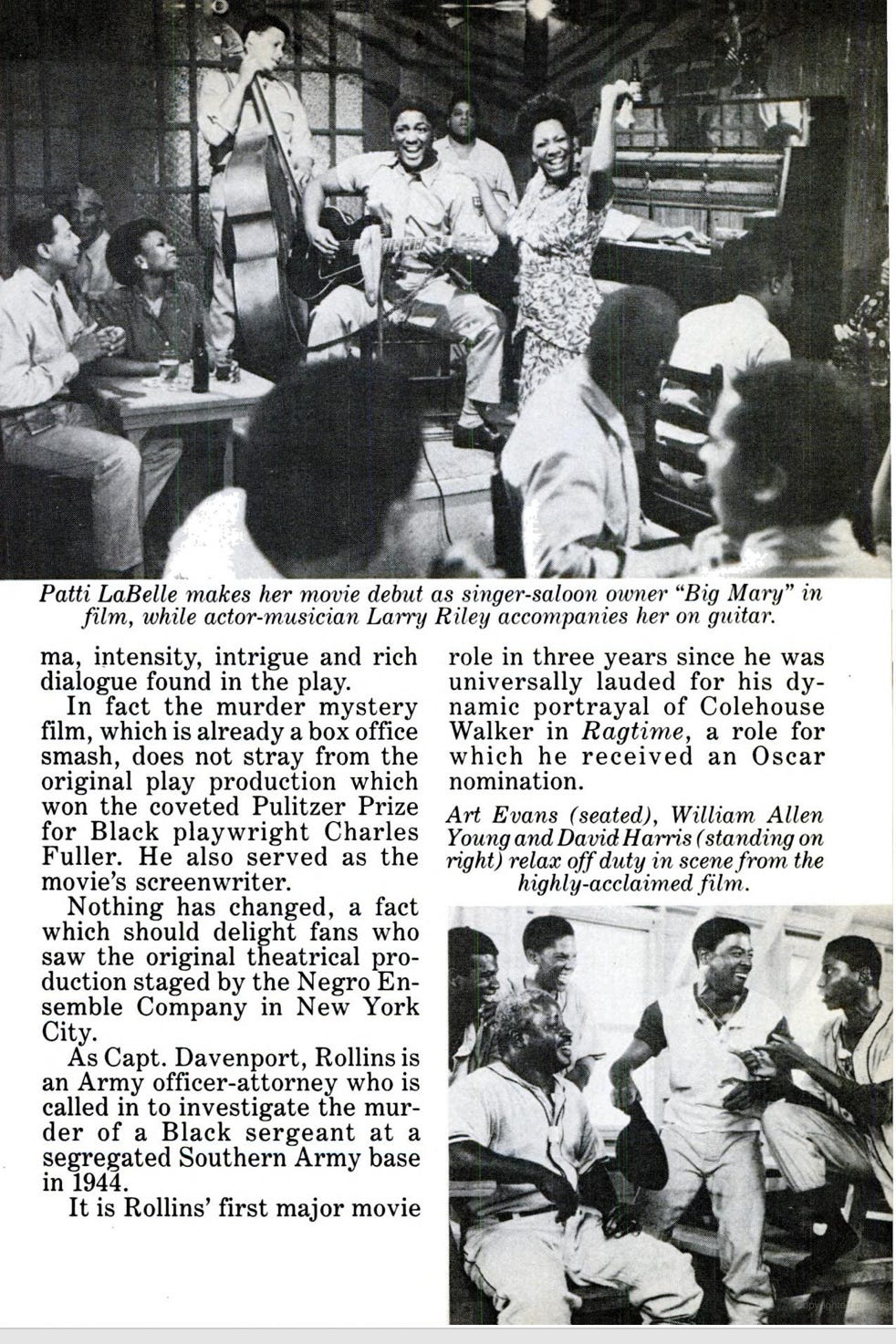
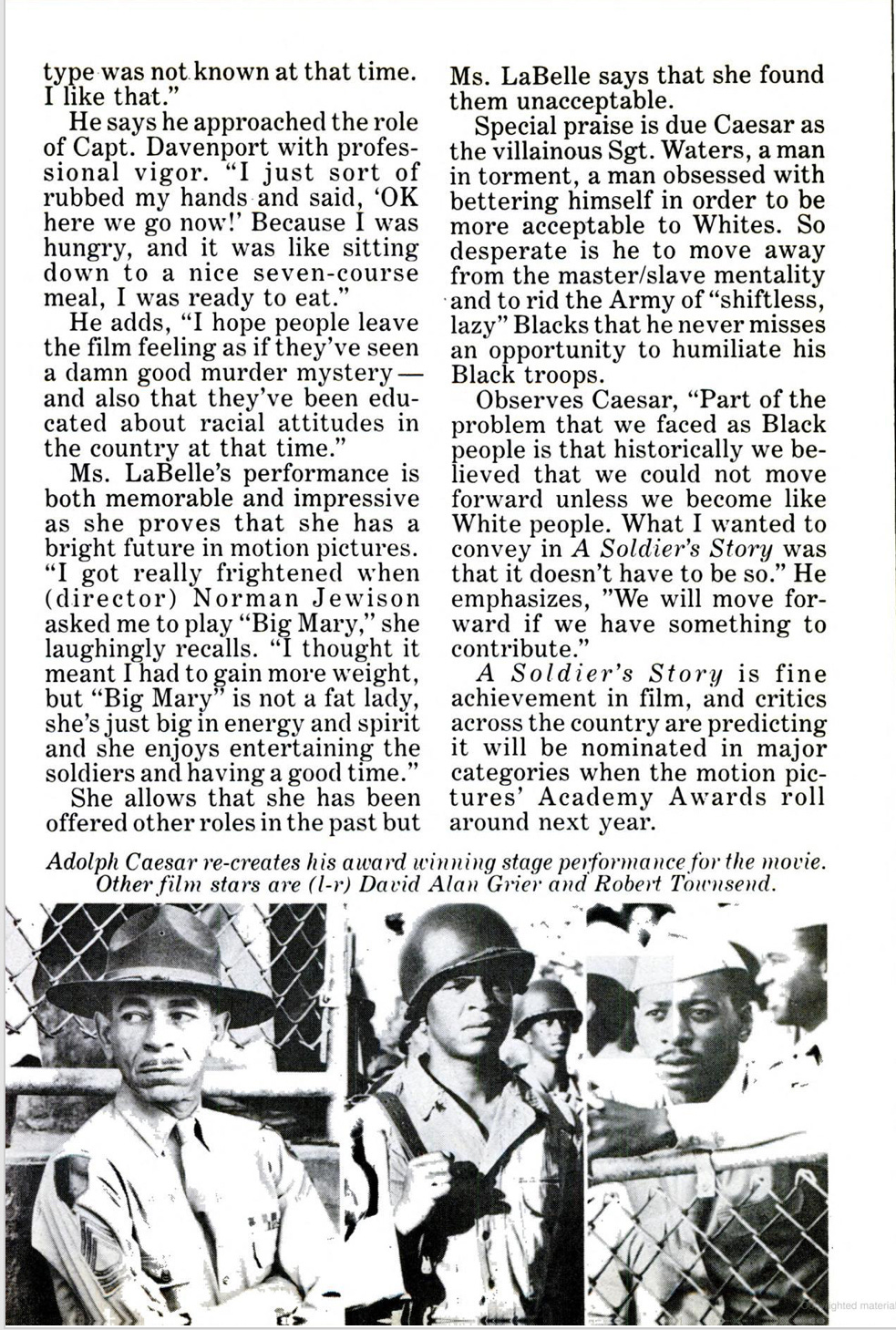
Master Sergeant Waters keeps order by humiliating his own. He calls it leadership. He calls it love for the race. He wants to be acceptable to White power, so he cuts pieces off Black men until they fit.
You felt this before you had language. The boss who required you to be quiet. The teacher who said be twice as good. The usher who policed your skirt. The cousin who called you soft because you refused to perform tough. The rule is simple. Crown over rain.
Prince offered another rule in the same year.
“Honey I know, I know times are changing.”
He does not shout policy. He moves you toward practice.
“You say you want a leader, but you can’t seem to make up your mind. I think you better close it and let me guide you to the purple rain.”
Not to a podium. To weather that can hold what the room cannot.
Respectability tells you to hide the wound. The song tells you to let the sky see it so it can wash.
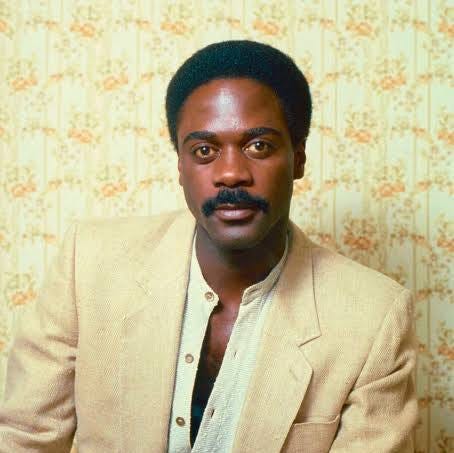
Howard Rollins carried that choice in his body. A brilliant Black actor, asked to be spotless in public while the industry shadowed him with gossip and the era pressed men like him into closets. No we do not need to dig through his private life to tell the truth. The representational load alone can crush you. Add the surveillance and the moral panic of the eighties. Add the bottle that pretends to help. You get a man breaking under a crown that cut his scalp every night he tried to sleep. Hear Prince again.
“I only wanted to one time to see you laughing.”
Rollins gave us Davenport so we could remember how to laugh with dignity in a world that punished it.
I know that ache. I wore a uniform in a system I am not sure loved us. There were nights I told myself I was helping somebody by making somebody else smaller. Follow the rule. Keep order. Make numbers. The badge felt like honor. Some nights it felt like a muzzle. I carried home the quiet. I can still smell it on my hands. This is not confession for sport. This is a debt. I enforced a script written to keep us looking tidy while our people bled inside. Prince wrote the counter-sermon for nights like that.
“I only wanted to see you bathing in the purple rain.”
No not bathing in compliance. Bathing in truth.
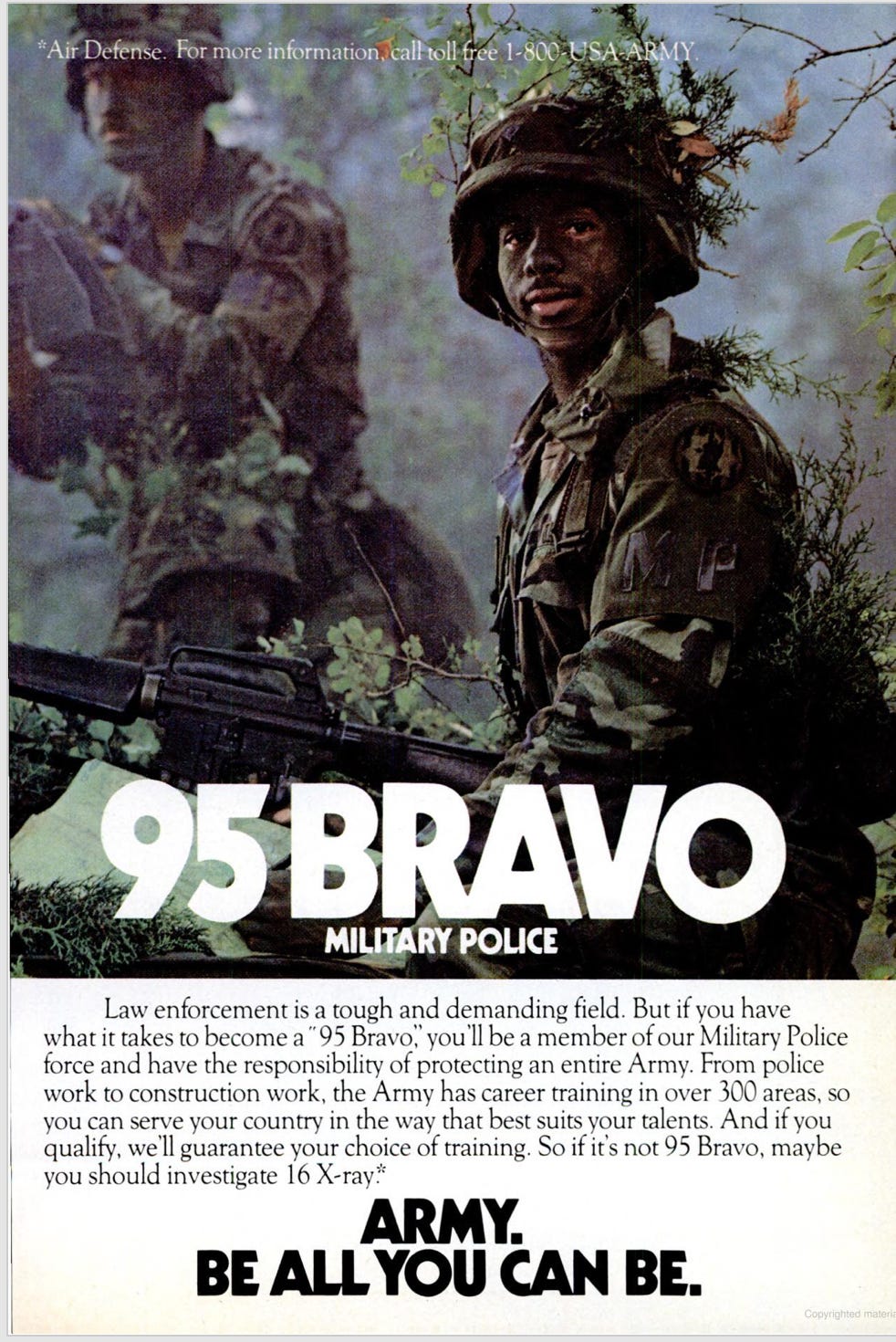
Jet wrapped the script in glossy pages so you could study both. The 95 BRAVO Military Police ad promised purpose.
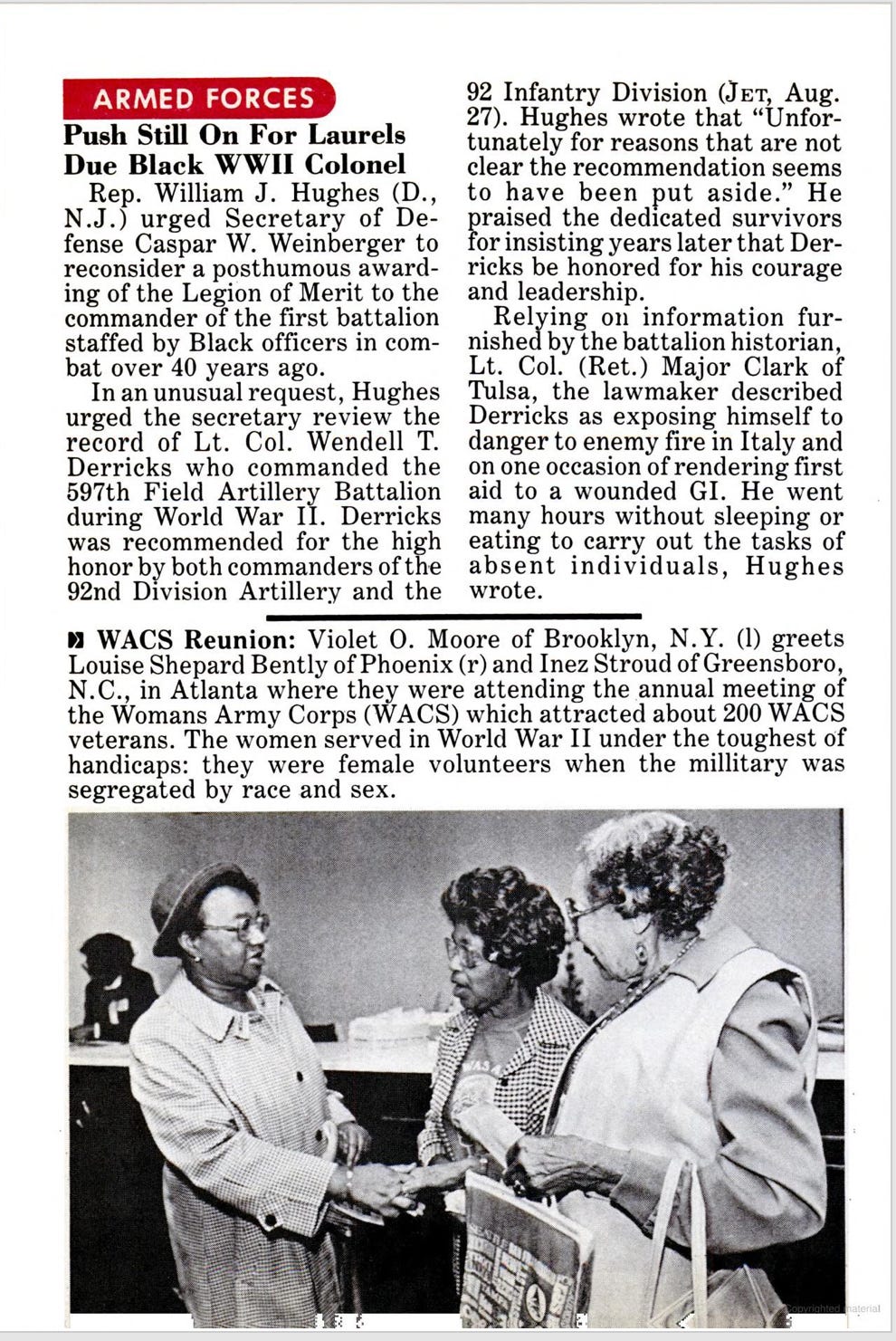
The feature on a Black WWII colonel still waiting for full honors told the other half. Service given. Praise delayed. Our women in the WACS reunion smiled for the camera and reminded us they volunteered while the military segregated them by race and sex. We served. We saluted. We swallowed. The song outside the newsstand told another story. Close the umbrella. Let it rain.
Now hold this next to the day Charleston opened its gates. February 18, 1865. Four years after the first shots at Fort Sumter. Confederates set fires and fled. Union troops marched in. At the front of a column of U.S. Colored Troops rode a Black Union soldier with a rough board painted LIBERTY lifted high. Black Charlestonians poured into the streets. Church bells pealed. Hymns rose. People shouted and wept and reached for one another. Reporters wrote it down. Ministers preached it. Soldiers kept diaries. Northern weeklies printed illustrations of the procession. Teachers in the first freed schools told children about it. Then the textbooks starved it of ink. The city sold plantation tours and forgot the sign. This was our Independence scene with no marble and no fireworks. A homemade word lifted over a city that once sold us. That was rain. Grief and joy poured out in public. A baptism into a different future. Those U.S. Colored Troops led a city into daylight. Look at how we deploy U.S. troops now, and tell me your eyes stay dry. Is this progress?
Now, I want the record set straight on this Charleston event. That day in 1865 is not myth. It is receipt. A Black Union soldier leading U.S. Colored Troops into a city that bought and sold our ancestors. A homemade sign that said LIBERTY. Bells ringing. People weeping. That is the sound of public baptism. That is the picture we should teach beside July Fourth. The fact that it sits in the attic of our civic memory is the point of Jet Black Saturday. We pull it back into light so it can do its work.
Now Memphis. Tyre Nichols. Our own officers performed the crown for the same old system. They chose image over humanity. They used the theater of discipline on one of us. The street remembers. So does the sky. Master Sgt. Waters stood at this same crossroads in the movie. Save us by cutting us down. Or save us by holding the person in front of you. Crown or rain.
Judging from the low click through rate on the last title with Will Smith’s name on it, some readers are gonna ask why I bring up the Will Smith Oscars night. Lawd here come the unsubscribes. It’s because you watched a good man crack under the weight of being perfect in front of people who have never carried our particular mask.
March 27, 2022. A joke about Jada’s shaved head. Will Smith walks onstage and slaps Chris Rock. He sits and tells Rock to keep her name out of his mouth. Minutes later he wins Best Actor. He apologizes. The Academy bans him for ten years. I am not here to litigate it. I am naming the trap. Public control or public shame. He chose steel and paid for it. If you have never felt a room ask you to smile while the crown digs into your scalp, you missed the point.
Hear the lyric that night should have given us.
“You say you want a leader.”
We needed someone to choose rain on purpose and lead us out of the performance into the weather.
And then there is the Court. Clarence Thomas writes what Waters preached. Hurt us to save us. Strip the tools that opened doors. Call mercy a bias. Call repair a handout. The robe is another uniform. The gavel is another bottle. Order with no love behind it is punishment theater dressed as law. Prince named the pivot plainly.
“You better close it and let me guide you.”
The Court tells us to close our mouths and obey. The song tells leaders to close their mouths and listen to the storm they created.
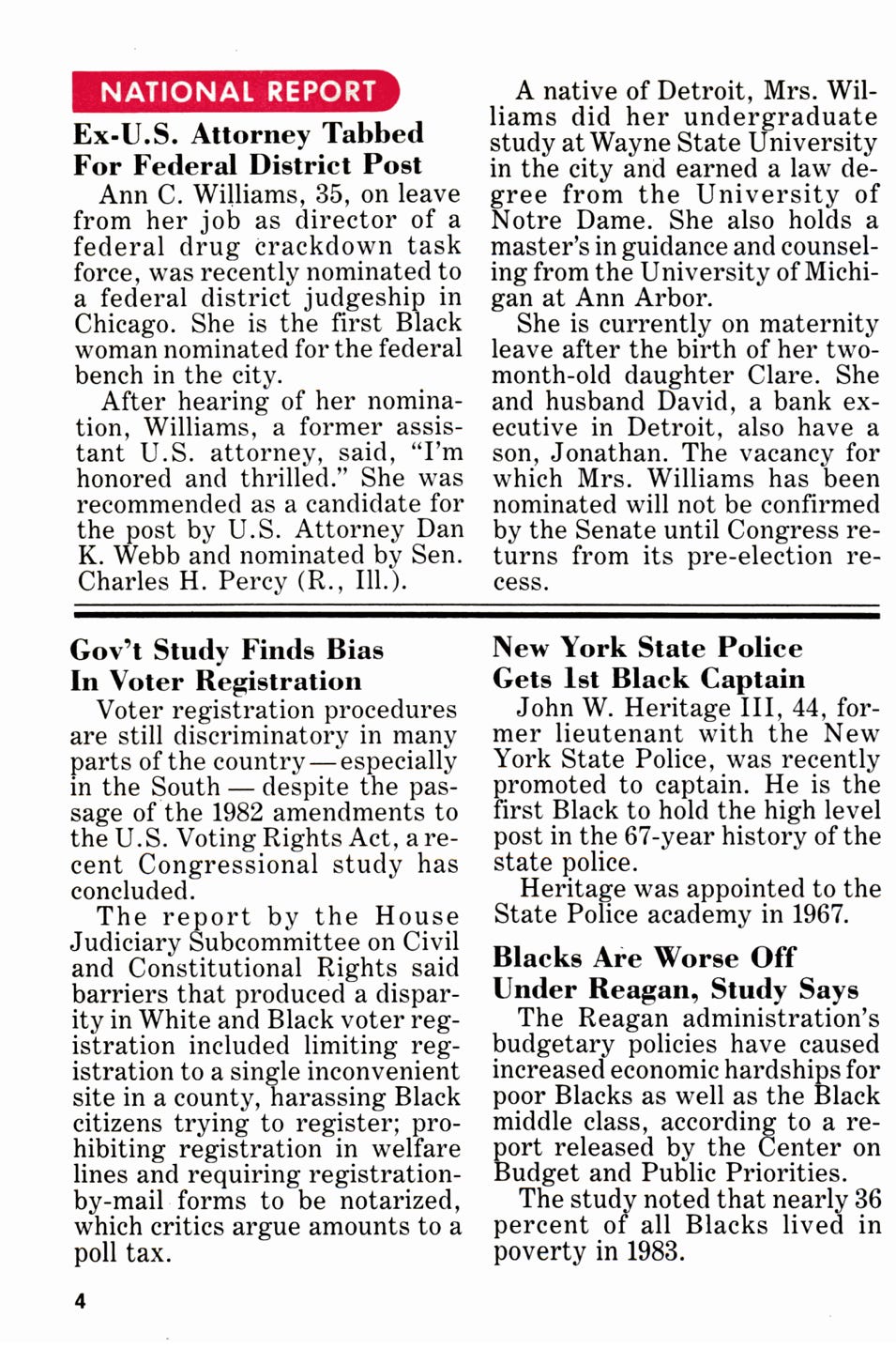
If you want to see the terrain this Court refuses to face, keep reading that same Jet. Government study finds voter registration still discriminatory. Black families worse off under Reagan. Ann C. Williams, first Black woman nominated to the federal bench in Chicago. Receipts in one issue. That is the civic weather we grew in. We moved anyway. We built anyway.
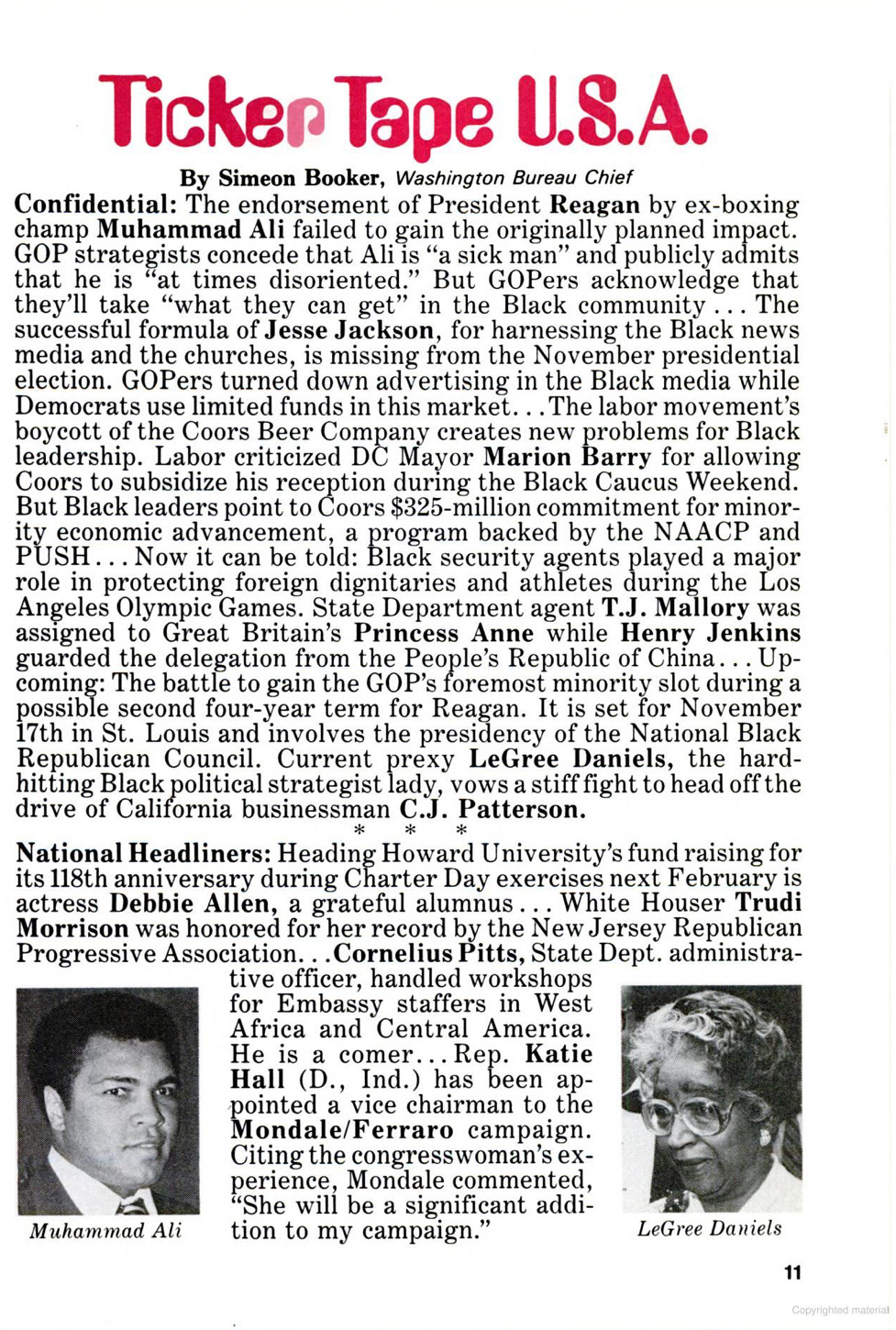
Ticker Tape U.S.A. reports Ali’s endorsement of Reagan fizzled.
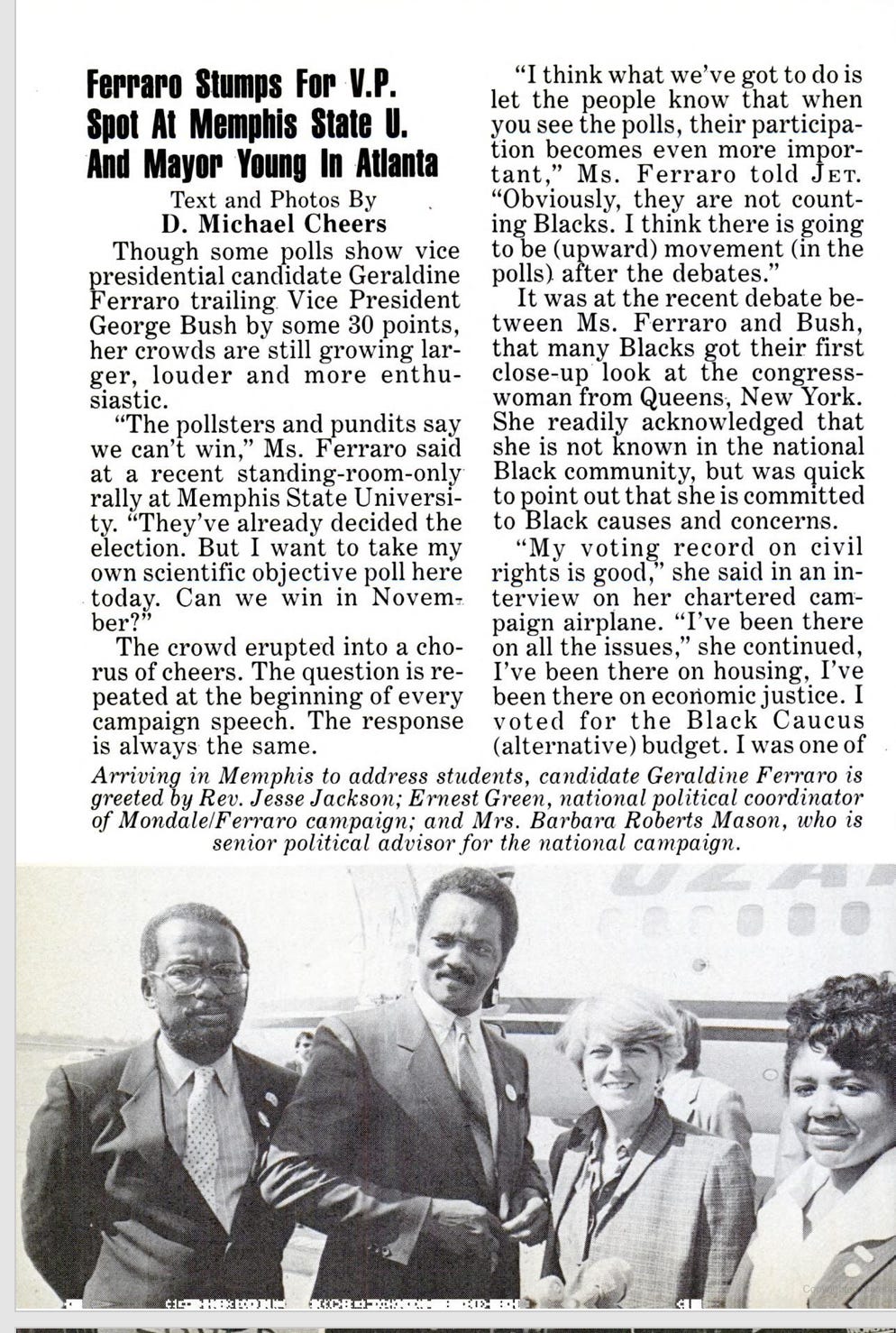
Jesse Jackson bends Black media into a machine.
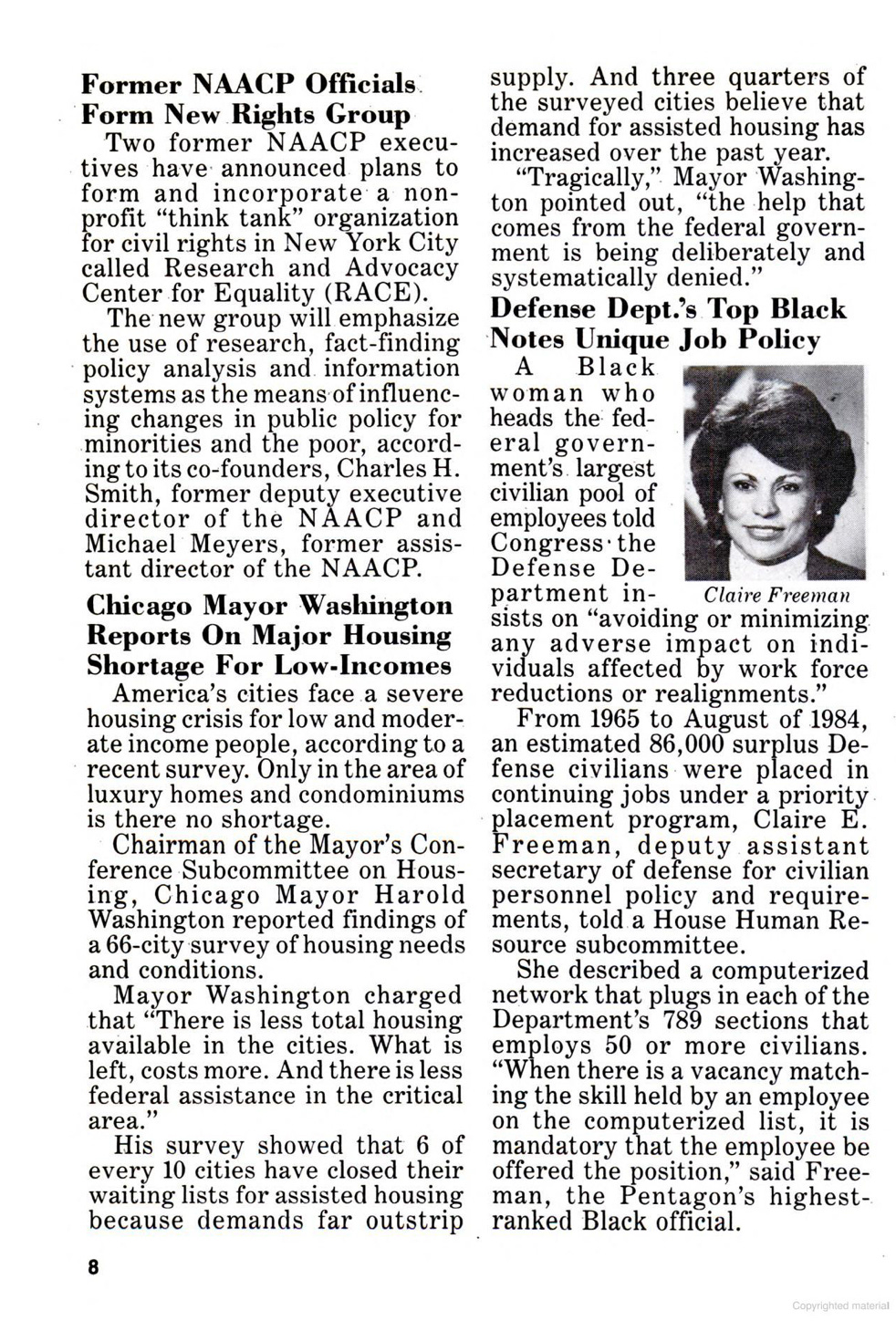
Labor pushes a Coors boycott. Black security agents guard delegations at the LA Olympics. Former NAACP officials launch RACE, a policy shop. Mayor Harold Washington sounds the alarm on housing.
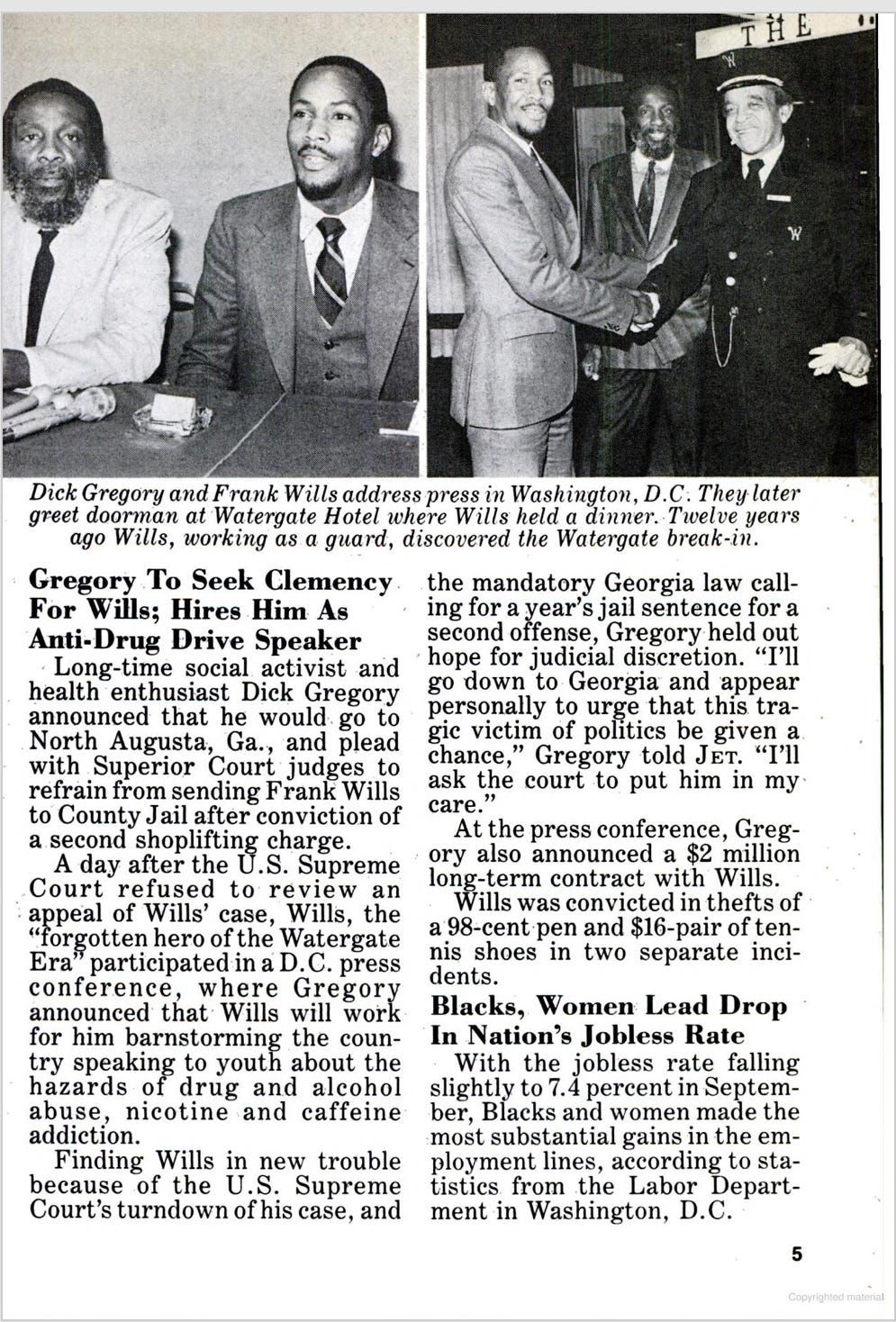
Dick Gregory stands next to Frank Wills, the Watergate guard the country forgot, and says I will fight for this man. This is what a Black public looks like when it is alive. Arguments. Boycotts. Reports. Appointments. Love that makes a plan. Hear the bridge.
“Honey I know times are changing.”
That is not optimism. That is instruction. Move with change. Do not police it to death.
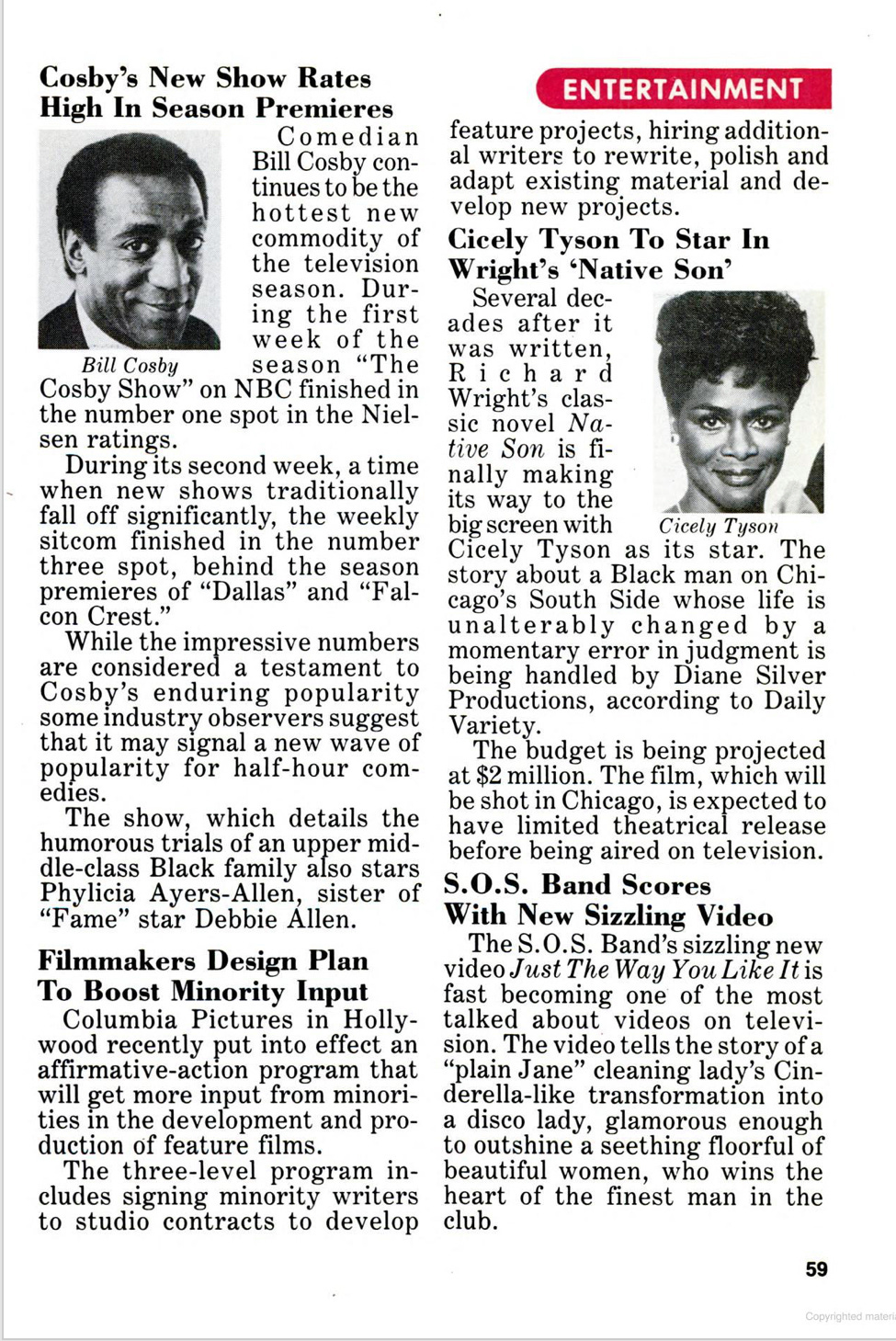
Entertainment mirrors the bind. The Cosby Show sits at number one. Cicely Tyson prepares to lead Native Son. Prince’s film and soundtrack spawn book deals. S.O.S. Band and Jeffrey Osborne are everywhere. Visibility climbs while respectability tightens its grip. Image is not salvation. Waters proves it. Rollins pays for it. The song refuses to let image carry the weight of soul. It keeps pulling us back to practice. Laugh. Bathe. Let it rain.
Let’s come back to the set. A Soldier’s Story places a Black lawyer-officer named Davenport among men who do not trust White justice and do not trust him yet either. He refuses to become the overseer the system wants. He insists on truth without the lash. He carries himself like the future. Rollins said he wanted you to see that from the first frame. A forerunner. A link between the subservient Black past and the proud Black future. Not a perfect man. A different kind of leader. He is the embodiment of that line from Prince.
“You say you want a leader.”
Then he closes the performance and does the work.
Rollins himself deserved that kind of leadership. He gave us Davenport with elegance and bite. Then the weight closed in. Studio whisper campaigns. Tabloids. The old panic around Black men and queerness. The terror of being watched for flaws while being asked to represent a whole people. He was not a symbol. He was a man. He deserved the room to heal. He deserved rain and got more crown. Prince wrote him a refuge in plain sight.
“I only wanted to see you laughing.”
He did not get enough rooms where that line could be true without a price.
Respectability is a quiet church with a cruel altar. It calls punishment love. It calls silence wisdom. It dresses the lash in a uniform and a title. Purple Rain is a loud choir with a soft hand. It calls grief by its name and then turns it into mercy you can act from. The ad at the front of Jet tells you to cry and drink. The song tells you to cry and live. One sells the crown. One opens the sky.
You can feel the same split in my badge years. I believed control would save lives. Sometimes it did. Sometimes it broke people because it broke me.
“I only wanted to one time to see you laughing.”
I hear that line and see people I could have treated with more care. I hear it and see rooms that needed weather, not theater.
And because 1984 is the year holding this whole file, remember how you consumed it. You heard Prince before you hit the theater for A Soldier’s Story. Radio in the kitchen before the babysitter arrives. Radio in the car on the way to the multiplex, weekdays cheaper than the weekend.
“I only wanted to see you bathing in the purple rain.”
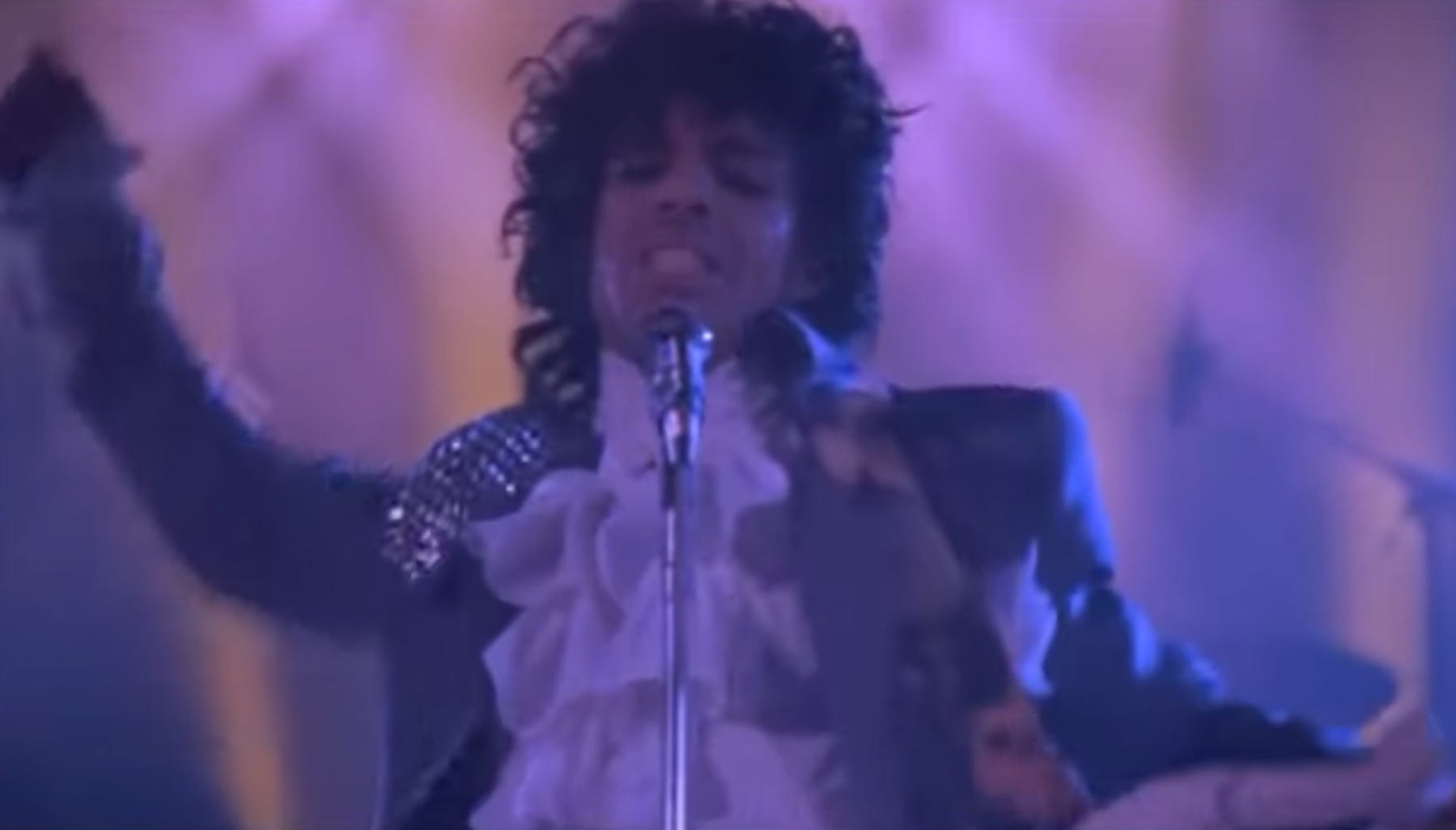
That line rode shotgun. You walked into a film about punishment and pride with a song about mercy already in your ear. We were given the antidote and the illness in one summer. The choice was always there.
Before I close, there’s the irony that will not let me go. In Baltimore a wax museum holds Howard Rollins on a dusty display. In Philadelphia a mural by Ernel Martinez, painted in 2021 at 1631 W Girard Ave, honors Charles Fuller, whose Pulitzer-winning A Soldier’s Play became this film. The actor is frozen. The writer is on a wall that breathes and collects weather. Do not turn our people into statues while the theology of punishment keeps working. Give them rain while they are alive, the purple rain. Put LIBERTY back in a living hand.
We can live by the crown. Or we can live by the rain. The crown says control. The rain says feel, repair, move. The crown needs you quiet. The rain needs you honest. The crown wants you to perform. The rain wants you alive. The song already gave you the map.
“You say you want a leader.”
Close the act. Step outside. Let the sky do what the sky does. Then lead like a person who remembers what water feels like.
I am choosing rain. I am done saving us by shrinking us. I am done calling punishment love. I am done using uniforms to hide my fear. I am done treating our tears like a scandal.
If this made you feel something in your soul, pull up with us. Bring someone who needs the room to breathe.
$80 a year keeps this voice independent. $8 a month keeps the file open and the receipts flowing.
We will remember Charleston. We will honor Howard Rollins without making him a mask. We will tell the truth about the badge and the gavel. We will keep Prince’s rule in our pocket. Times are changing. Reach for something new. You said you wanted a leader. Come with me into the rain.
Wow! Thanks! Ah, the crown. The one I have worn for decades is invisible. Only I know the reminder that I am the Queen of Senseless Beauty. I no longer feel a need to explain my elegant, authentic intentional integrity. Most crowns are inferior have heavy tarnishing which always crumbles. ❤️
I choose rain. Rain represents the harder path in my mind. I'm not afraid of a challenge and I am not afraid of change, although like a cat, I embrace change reluctantly. But everybody who knows me knows that I will not give up on myself, my family, friends, my people or anything else. I am in it to win it with grace and dignity all of the time!