



It’s 4:00 a.m. and I’m alone in the dark, watching the cursor blink like a taillight on a car that just wrapped itself around a pole. My coffee went cold an hour ago. My phone is face down because I don’t want to see the little Substack dashboard number that reminds me thousands of people are waiting for me to make sense of this mess. I’ll own this: a part of me still wishes someone in a blazer and a newsroom budget would take this case so I could go back to sleeping through 4:00 a.m.
Five years ago, 4:00 a.m. felt different. By the time I hit roll call at 600 a.m., I knew exactly who had my back. When the radio crackled with a domestic, we never rolled solo. Policy said you brought backup because everybody understood the scene you were walking into: a terrified spouse with fresh bruises, a louder voice in the next room, a danger you could feel before you saw it. We never asked, “Why didn’t you scream sooner?” We already knew the answer sat somewhere between fear and the sick knowledge that the abuser might be standing close enough to hear every breath.

Now I’m retired , sitting in front of a laptop instead of a squad car computer, and the call sounds different but feels the same. A billionaire-owned paper runs a headline asking why Democrats aren’t yelling louder about Trump’s immigration war. A former Trump ally goes on national TV and says threats against her son drove her out of Congress, and outside of that one segment the rest of big media shrugs and changes the subject. I mistook performance for courage more than once as a cop and as a writer, but even I can see what this is: the victim being blamed for whispering while the people with the badge and the bullhorn turn the volume down.
So here I sit, alone with the cursor, trying to write what those headlines won’t say out loud: it’s not that “she” won’t scream. It’s that everyone can see what happens to the people who do, and they no longer trust the press to show up as backup when the door finally kicks in.
What Backup Used to Mean vs. Now
On the job, “backup” wasn’t poetry. It was policy. You didn’t roll to a domestic alone. You had a partner in the car, other units on the air, a supervisor listening, a dispatcher who knew your voice well enough to hear the shake even when you kept it cool. Backup meant if somebody decided to flip that living room into a war zone, there were other bodies, other radios, other sets of eyes between you and the morgue. Fear was real, but it was a known quantity. It lived inside a system that at least pretended your life was worth protecting.
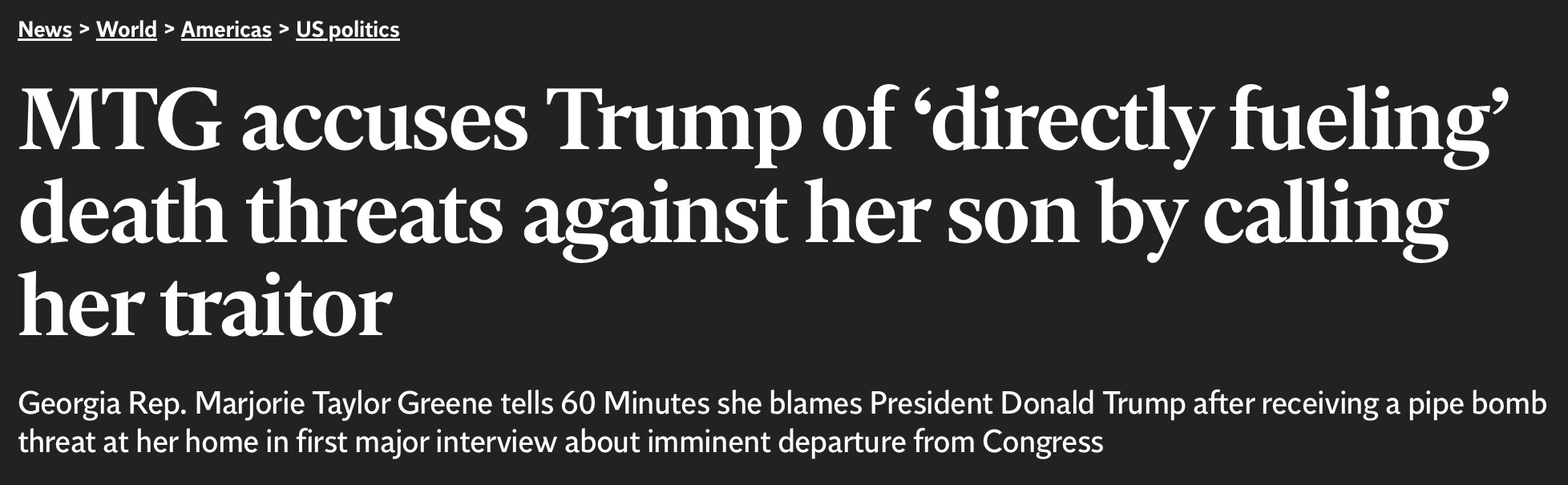
Now look at what passes for backup in politics. A former Trump star like Marjorie Taylor Greene goes on CBS and says out loud that death threats against her son helped push her out of Congress. That should be a five-alarm fire across every front page and cable chyron in the country: “Authoritarian movement now targeting kids.” Instead, it gets treated like spicy gossip from a messy divorce, and by the next news cycle the billionaire papers are back to running think pieces about “Democrats’ messaging problem.” The house is still shaking, but the people with the cameras have decided it’s not their call.
That Washington Post headline scolding Democrats for “growing quiet” on immigration reads different when you’ve stood on a porch and watched a victim whisper in front of the man who might kill them later. The paper writes as if volume is the only variable: if Democrats really cared, they’d just shout more. There’s almost no acknowledgment that everyone in politics has watched a whole party get terrorized into line by a leader who sicced a mob on his own vice president and still walks free. When you know the abuser has fans with guns and judges on speed dial, you don’t yell because you don’t feel the system at your back.
In the old days, rolling to a domestic, I knew that if something went sideways, the report, the radio logs, and the bodycam was at least theoretically there to reconstruct the truth. It wasn’t perfect, but it was something.
Today, elected officials look over at the fourth estate and see a different picture: CBS doing one hard segment, then standing alone while other outlets look the other way or, worse, publish pieces that blame the battered side for not putting on a better show of resistance. That’s not backup. That’s the cop staying in the cruiser, then writing you up later for not bleeding loud enough.
So when Bezos’s paper asks, “Why aren’t Democrats speaking up?” my mind doesn’t go to courage first. It goes to policy, to structure, to whether the people with the biggest microphones are willing to take the first hit so others know it’s safe to step forward. Right now, they’re not. And everybody in that house from the immigrants being hunted, to the mayors getting their residents snatched off the street, to the Democrats doing the math on their kids’ safety can feel that silence every bit as much as the siren that never comes.
Case File: The WaPo Story
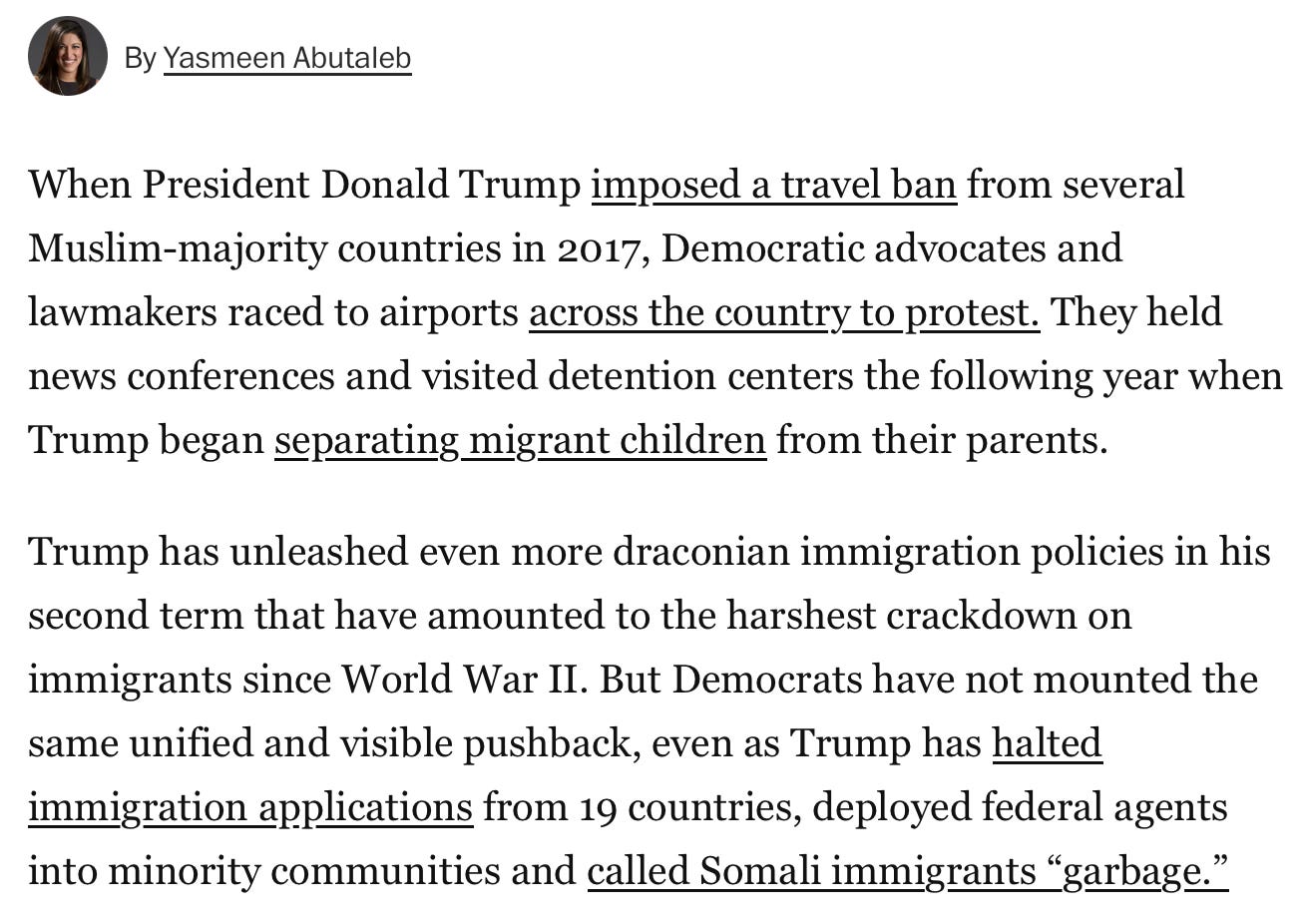
When I read that Washington Post headline that boils all this down to “Democrats, who once lambasted Trump on immigration, have grown quiet” my brain does what it used to do reading bad incident reports. I start circling what’s missing. The piece lays out, in careful language, that Trump has rolled out the harshest immigration crackdown since World War II, frozen applications from 19 countries, sent federal agents prowling through minority neighborhoods, and is calling Somali immigrants “garbage.” Then, almost like muscle memory, it pivots to the real “problem”: Democrats not putting on the same show of public outrage they did at the airports in 2017.
If you’ve ever been in a living room after a beating, you recognize that move. Imagine writing a report that notes the broken dishes, the swollen cheek, the history of calls to that address, then spends the rest of the narrative wondering why the victim isn’t yelling at the top of their lungs this time. That’s what this article does with its experts. One after another, they are framed as explaining Democratic “reticence”: they got burned politically by Biden’s failures at the border, voters don’t trust them on immigration, they can’t agree on a plan, they’re scared of looking “soft.” The terror is there on the page, but the blame quietly slides off the man with the gun and lands on the people trying not to get shot.
What you don’t see in the piece is any sustained look at the cost of speaking up in this climate. No mention that a Trump-aligned congresswoman got driven out with threats to her kid. No exploration of how doxxing, swatting, and whisper campaigns now trail anyone who becomes the face of resistance. Instead, the article narrows the frame to messaging and backbone. Communities beg for “people with courage, people with a backbone,” and the reader is nudged to conclude that Democratic officials simply don’t have enough of either. The structural terror Trump is unleashing becomes the backdrop, like bad wallpaper, while the performance of the opposition is treated as the real story.
Sitting at my laptop, I can feel the train wreck in my own head as I read it. The cop in me wants to grab a red pen and write in the margin: “Primary aggressor: President and his machine. Secondary aggressor: media that minimizes that and shames the people calculating survival.” The writer in me sees what billionaire ownership does to narrative gravity. When the man who owns the paper benefits from low taxes, weak regulation, and a cowed political class, it’s awfully convenient to run a front-page piece that reads like, “Why won’t the battered spouse scream harder while we stand at a safe distance and take notes?”
The Cost of Speaking Up (From Dearborn to MTG’s Kid)
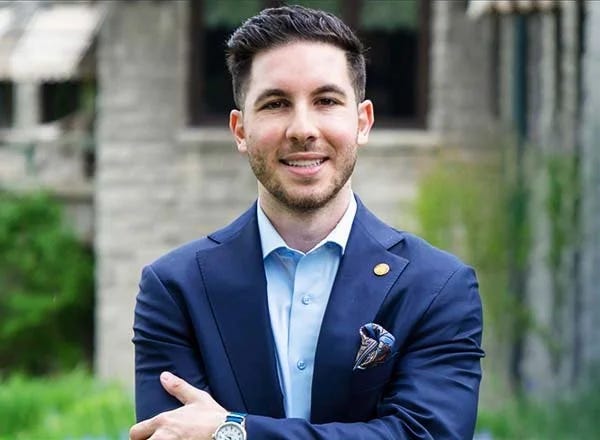
If you read that Post story like a stack of call sheets, you start to see a pattern in who pays the price for opening their mouth. Dearborn’s mayor, Abdullah Hammoud, is watching federal agents sweep through an Arab-majority city while the president calls Somali immigrants “garbage.” He says out loud that the most frightening thing is the lack of a strong counterresponse from Democrats. That isn’t just a quote for color. That’s a local official telling you his people are living with the sound of boots on the stairs and nobody higher up wants to own the risk of standing between them and the door.

Look at Alex Padilla. A sitting senator walks into a Homeland Security press event in his own city, asks why a handful of crimes is being used to justify turning Los Angeles into a militarized showpiece, and ends up face down and cuffed on the floor. That’s not metaphor. That’s the state putting hands on a senator in front of cameras. Chris Van Hollen flies to El Salvador to sit across from a man his own government wrongfully deported. The article admits people back home were horrified, and then it moves on. The horror is treated like a reaction shot, not the main story: “Here’s what happens when someone in power tries to run toward the fire instead of away from it.”
Then there’s Marjorie Taylor Greene on CBS talking about threats to her son after she broke with Trump. I don’t care how you feel about her politics. From a cop’s eye and a psychologist’s eye, that is a huge tell. When an authoritarian movement starts aiming its rage at the children of its own former champions, that is the moment every other politician’s nervous system takes notes. Bodies remember patterns. Your palms sweat, your jaw tightens, and without a single conscious thought your brain files away one simple rule: do not become the next face on the screen taking those hits.
Now put yourself in the shoes of a Democrat in a purple district watching all this. You see immigrant mayors getting targeted, you see a senator thrown to the ground, you see a white, pro-Trump congresswoman talk about pipe-bomb level threats to her kid, and you see almost no sustained outrage from the press class that’s supposed to have your back. Then that same press turns around and asks why you’re not staging more airport-style protests. From where I’m sitting, the question isn’t “Why are Democrats so quiet?” It’s “Why would any rational person volunteer to stand at the front of that line when the people with the loudest microphones keep walking past the scene?”
In every domestic I ever went to, the victim’s body had already done the math. Speak too loudly, leave at the wrong time, call the wrong person, and the consequences escalate. What MAGA and it’s ecosystem has built is a national version of that calculus, reinforced by silence at the top of the media food chain. When the cost of speaking up is threats to your kid, your community, your ability to walk through a grocery store without a stranger spitting on you, and when the billionaire outlets respond by grading your volume instead of your safety, “quiet” stops looking like cowardice. It looks like survival.
If the Fourth Estate Won’t Roll, Who’s Backup Now?
On paper, the Fourth Estate is supposed to be that second unit on the way. You hit the siren, you call out the address, and somewhere out there another car flips on its lights and comes to stand in the doorway with you. That is the story we were all raised on. Watch the movies, read the textbooks, they will tell you the press is the watchdog, the truth teller, the one yelling “stop” when the state starts knocking teeth out.
But look at what we actually have. We have two constitutions in this country and we have two First Amendments. There is the written one, where every citizen has the right to speak, to assemble, to petition. Then there is the unwritten one, where the full power of free speech, the cameras, the homepages, the “breaking news” banners, belongs to a handful of billionaires who decide what counts as a crisis and what gets filed as a “messaging problem.” Under that unwritten one, Trump’s immigration war is content. Democratic “quiet” is a brand story. Death threats to a congresswoman’s kid are a spicy subplot and then it is back to the horse race.
So if the Fourth Estate will not roll up to this scene, who is backup now. I am sitting at this keyboard at four in the morning because I know the answer is us. The immigrant dad in Dearborn who hits record on his phone. The Somali mom in Minneapolis who tells her story in a WhatsApp voice note. The retired cop with a Substack login who cannot unsee the way these headlines flip the blame. None of us have a satellite truck, but we have eyes. We have memory. We have each other.
I argued past the evidence when I believed a press badge automatically meant courage. It does not. Courage is whoever keeps showing up knowing there is no billion dollar legal department standing behind them if power decides to swing back. That means small newsrooms, freelancers, newsletters that run on rent money and insomnia, readers who decide that ten dollars a month for someone telling the truth is not charity, it is hazard pay for the people willing to walk up to the house with you.
If Bezos’s paper wants to stay in the cruiser and grade the victim on volume, that is their choice. Out here, at the curb, the question sounds different. Will you stand on the porch with me when the knocking starts. Will you be the reason some terrified neighbor, some quiet Democrat, some kid watching this on their phone believes they are not completely alone when they finally decide to open their mouth. Will you be the backup that makes it even a little safer for the next person to scream.
Stop Asking Her Why She Didn’t Scream
It’s now 5:00 a.m. and that cursor is still blinking like a little red light on a squad car that never got dispatched. My coffee is cold, my back hurts, and somewhere a woman is standing in a doorway with a busted lip trying to decide if tonight is the night she risks it all to call for help. Stop asking her why she didn’t scream. Somewhere a mayor in Dearborn is watching unmarked SUVs roll through his neighborhood. Somewhere a Democrat in a purple district is kissing their kid goodnight and wondering if one speech is worth a lifetime of looking over their shoulder. Stop asking her why she didn’t scream.
I’ll own this: I used to believe the big papers would have our back when it counted, that the loudest microphones would turn toward the people catching hell instead of grading their performance. I can’t unsee the price tag on that lie anymore. Every soft headline that blames “Democratic silence” while ICE is snatching folks off the street is another hand over her mouth. Stop asking her why she didn’t scream. Ask why the camera panned away. Ask why the billionaire who owns the paper sleeps just fine while whole communities jump at every knock on the door. Stop asking her why she didn’t scream.
Because here is what my time in those living rooms taught me and what these headlines keep trying to make you forget: her body has been screaming the whole time. The shaky hands. The packed “just in case” bag by the door. The mayor begging for backup. The senator in cuffs on the floor. The ex-MAGA star whispering about threats to her son. That is a choir, not a solo. Stop asking her why she didn’t scream. Start asking who turned the siren off. Start asking who gets paid to walk past the house and then write op-eds about her tone. Stop asking her why she didn’t scream.
So I am back at this keyboard at 6:00 a.m., one retired cop with a busted sleep schedule and a newsletter that refuses to look away. I argued past the evidence when I thought someone else would roll to this call. Now I know better. Will you stand on the porch with me when the knocking starts. Will you be the reason some quiet neighbor, some young organizer, some frightened Democrat believes they are not crazy for feeling what they feel. Will you be the backup that makes it even a little safer for the next person to scream. And the next time you see a headline asking why she is so quiet, I want your whole spirit to answer back in unison: stop asking her why she didn’t scream.
I should tell you one more thing. A few weeks ago I quietly walked away from the gig work that was keeping the lights on and put both feet in this. I was embarrassed to say it out loud because I didn’t want you to look at me and think, “There goes another impulsive creator who doesn’t know how bills work.” But the more I watched this moment unfold, the more staying “safe” and quiet felt like the real reckless move.
If you decide to become a paid subscriber, you’re not tipping a writer for a spicy take, you’re buying me time to sit with this ugly footage and pull the story threads most outlets won’t touch. You’re helping me keep this work free for the readers who are already stretched thin but still need someone to walk them through what’s being done in their name. And if paid isn’t possible for you right now, reading, sharing, and talking back in the comments is its own kind of backup. Either way, I’m here at this keyboard trying to earn the trust you’ve already given me.
Sources:
https://www.washingtonpost.com/politics/2025/12/08/democrats-who-once-lambasted-trump-immigration-have-grown-quiet/
https://www.cbsnews.com/news/marjorie-taylor-greene-trump-relationship-change-60-minutes/
https://www.independent.co.uk/news/world/americas/us-politics/marjorie-taylor-greene-trump-60-minutes-b2879973.html
https://news.gallup.com/poll/692522/surge-concern-immigration-abated.aspx
https://www.pbs.org/newshour/politics/poll-shows-how-u-s-views-of-immigration-have-changed-since-trump-took-office
Excellent analogy, X. You put me back in the patrol jeep, waiting for that second unit to get close enough (my county is almost the size of Connecticut) that the risk of going in solo was mitigated enough.
The comparison of this maladministration to domestic abusers is undeniable. I do not view the press as victims, but rather as those who don't want to rock the boat and make it worse. The only skin in the fight the media has is their paycheck, not their lives.
Yes, stop asking her why she didn’t scream.
Your analogy here is spot on. Being a retired police officer/detective I get it.
Thank you for calling out the Washington Post article for what it is. What the hell do they expect us Democrats (both citizens and elected officials) and others fighting this regime do that we aren’t already doing with our hands partially handcuffed?
Whatever our continued actions are unfortunately they will not stop this immediately, but continue to fight we must.
Thank you again for your writing.