

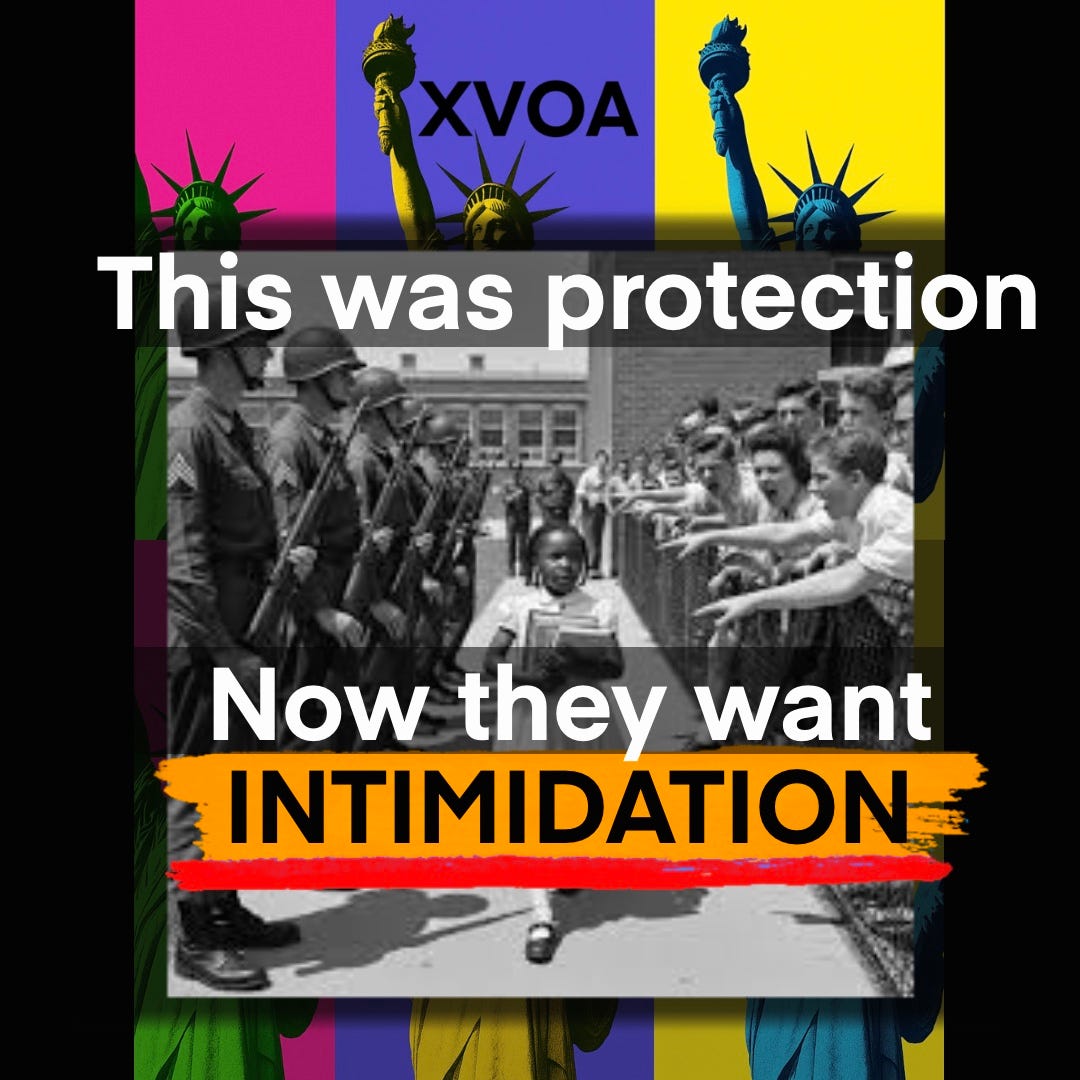
When I was a kid, and especially as a Black kid, the phrase troops on the streets did not land like “safety.” It landed like an old TV left on too late. Grainy black and white footage. Helmets and rifles. Bayonets catching the light. Soldiers escorting Black children into a schoolhouse while grown men screamed at them as if those kids had done something criminal by being alive.
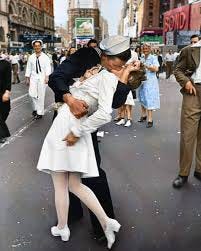
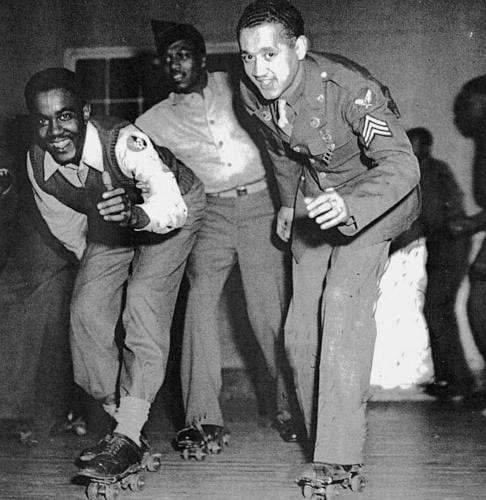
For the generation before mine, the uniform still carried a cleaner shine. They remembered Black and white World War II veterans moving through public life with a kind of proud gravity as men who had marched beneath the same Stars and Stripes even when the country did not treat them the same and yet still, for a time, the uniform read as proof that America could be decent when it chose to be. Then Vietnam came and complicated the picture, not just politically but psychologically. The uniform stopped being a simple symbol. It became a question.
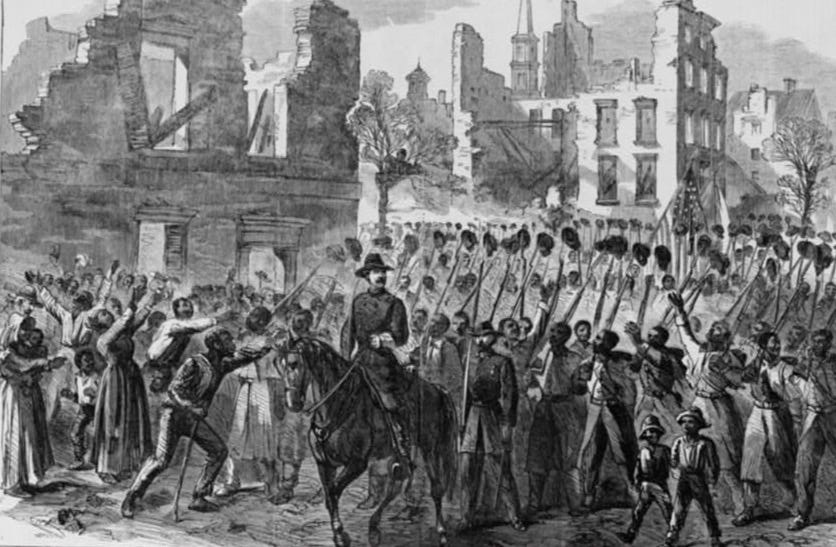
And for the generation before that, the oldest stories ran deeper. They told of the men in blue marching in, and the terrorists in gray running out in terror. They told of the Stars and Stripes arriving to replace the Stars and Bars and announce, at least on paper, that slavery had been banished from the land. In those stories, the flag was not an abstraction. It was an argument. It was a promise carried on cloth, carried by the U.S. Colored Troops, carried with LIBERTYbanners, and hated by rebels precisely because it represented a future they did not want.
Funny how symbols change. Over time, even the same banner can become a backdrop for intimidation instead of aspiration, especially in the places where Black people learned to read power the hard way, south of the Mason-Dixon line and beyond. And now they want to do the same thing to that image of soldiers in American streets. What once signaled America’s willingness to back up its promises with steel, and, in times of uncertainty and rioting, to herald peace and stability is being repurposed into a symbol of repression, an assist to the crimes of a rogue federal law enforcement entity.
That is why this moment matters. If the Insurrection Act is invoked in Minneapolis, it will not just be a policy choice. It will feel like a line crossed, a point of no return.
TLDR
Yeah, I know these are long. You do not have to read this in one sitting. Bookmark it. Read five minutes at a time. Each section stands on its own.
Here is the quick orientation, without spoiling the whole ride:
What is happening: Trump is threatening to invoke the Insurrection Act to put troops on the streets of Minneapolis after protests tied to a sweeping ICE surge and the shootings that lit the match. [2]
Why people are scared: Once you normalize soldiers in American streets, you are not just changing tactics. You are changing what “order” looks like in this country.
What I am arguing: This is a fight over symbols. Troops once meant protection and promise for Black people. Now power is trying to flip that image into intimidation.
What I cover inside: What the Insurrection Act actually allows, why it is dangerously broad, how presidents have historically treated it like a last resort, and why this moment feels like a Rubicon. [8] [9]
Why Lincoln is in the room: Lincoln used force in the face of open rebellion with real popular support up North. This moment is about using force amid division and unpopularity. That distinction is the whole point. [11]
If you read nothing else, jump to the “Crossing the Rubicon” section, then come back for the legal mechanics when you have the bandwidth.
Quick Friday move
Before you dive in, take ten seconds to share share share and restack restack restack. It is Friday, and we are up against the Friday news dump, the bury it and move on window.
And if you are active on Facebook, share it there too. Believe it or not, the algorithm reacts favorably to Facebook shares. I can usually tell which posts have a shot at going viral just by measuring the Facebook engagement.
If you are on the fence about going paid, you can do it right here:
Or keep reading, get to the end, see all the receipts, and then decide.
Trump’s Threat and Its Context in Minneapolis
President Donald Trump has recently threatened to invoke the Insurrection Act, a rarely used 1807 law, to put U.S. military forces in Minneapolis, Minnesota. The threat hit on January 15, 2026, after more than a week of escalating unrest. [2] [4]
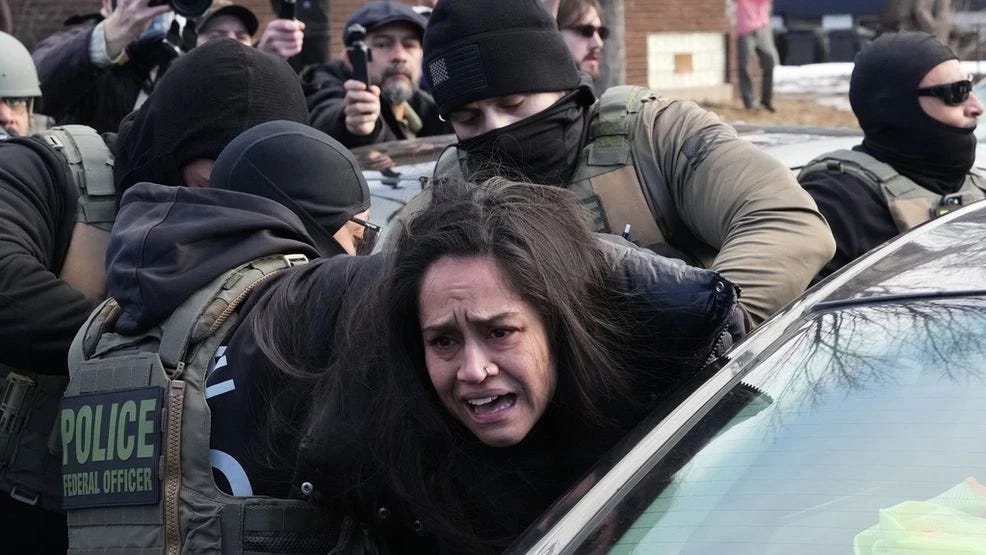
The fuse was the Trump administration’s aggressive immigration crackdown in Minneapolis. Reporting describes nearly 3,000 federal agents, largely Immigration and Customs Enforcement, flooding the area and making large numbers of arrests since December. [2] [1]
Then came the shootings. On January 7, ICE officers fatally shot a Minneapolis woman, Renee Good, during an immigration stop, an incident protesters and local officials describe as an egregious use of force. [2] [1] [10]
On January 14, an ICE agent shot and wounded a Venezuelan man during a chaotic traffic stop. [2] [4]
These incidents fueled daily protests in Minneapolis, with crowds decrying federal agents’ tactics and demanding they leave the city. [2] [4]
Trump and his allies have portrayed the situation in Minneapolis as lawless “insurrection” against federal authority. In a combative social media post, Trump warned: “If the corrupt politicians of Minnesota don’t obey the law and stop the professional agitators and insurrectionists from attacking the Patriots of I.C.E… I will institute the INSURRECTION ACT… and quickly put an end to the travesty”. [2]
He blasted Minnesota’s Democratic leaders for failing to control “left wing agitators,” and he even referred to the city’s large Somali-American community as “garbage” who should be “thrown out” of the country. [2]
So far, Trump has not formally invoked the Insurrection Act. What he has done is keep it on the table, like a match held over gasoline. White House Press Secretary Karoline Leavitt emphasized that this decision rests with Trump alone, calling the Act “a tool at the president’s disposal” if needed. [4]
Homeland Security Secretary Kristi Noem (whose department oversees ICE) confirmed she discussed the possibility with Trump and asserted that he has the authority to use it. [4] [5]
In short, Trump is openly weighing deployment of federal troops in Minneapolis unless the city and state “restore order” on his terms. [2] [4]
Legal Authority and Debates Over Invoking the Insurrection Act
Trump’s threats raise urgent questions about the Insurrection Act’s legal scope and limits. The Act, originally passed in 1807, empowers a president to use the U.S. military or federalize National Guard troops on domestic soil for law enforcement in certain extreme circumstances, as an exception to the Posse Comitatus tradition that generally bars the military from civilian policing. [8] [9]
Under 10 U.S.C. §§ 251–255, the Insurrection Act can be invoked in a few scenarios: with a state’s consent (if a governor or legislature requests help to suppress an insurrection), or unilaterally by the president if he deems that rebellion or unlawful obstructions are preventing enforcement of federal law, or that citizens’ constitutional rights are being denied and local authorities cannot protect them. [8] [9]
Crucially, the law’s language is vague. It does not clearly define what level of unrest constitutes an “insurrection” or makes ordinary enforcement “impracticable.” And historically, courts have been reluctant to second guess a president’s determination that conditions justify invoking it. [8] [9] [3]
Modern legal analysts warn that this discretion is ripe for abuse. The Brennan Center notes the statute has not been meaningfully updated in generations and is dangerously overbroad, leaning heavily on presidential judgment with limited built in oversight. [9]
Constitutional scholars emphasize that the Act was intended as a last resort for truly extraordinary breakdowns of law and order, not a routine tool for political disputes. [8] [9]
Cato Institute legal scholar Clark Neily puts it bluntly: “The Insurrection Act is an extraordinary and hazardous power… Treating it as a routine response to civil unrest would dangerously lower the bar for military involvement in civilian affairs.” [7]
In Minneapolis, many experts argue, the situation, while volatile, still involves civilian protests and policing challenges that local authorities are managing. Invoking the Act to send armed troops could be premature and disproportionate, especially since the unrest was sparked by the federal government’s own aggressive actions. [6] [7]
Trump’s prior attempts to use federal forces in domestic law enforcement have already met resistance in the courts. Reporting describes legal challenges and rulings limiting or scrutinizing unilateral federalization of Guard forces and domestic deployments in recent years. [2] [3]
Is invoking the Act actually lawful in Minneapolis? Trump insists that Minneapolis is in “insurrection” and that Minnesota’s leaders are unable or unwilling to enforce the law, thereby satisfying the Act’s criteria. [2]
Legal observers dispute this characterization, noting that Minneapolis is not in a state of general rebellion, and normal law enforcement remains functioning. That tension is the nerve of this debate: where is the line between a president’s duty to ensure laws are executed and the constitutional tradition that the military not be used against citizens except as a last resort? [8] [9]
Political and Public Reactions: Backlash amid Trump’s Unpopularity
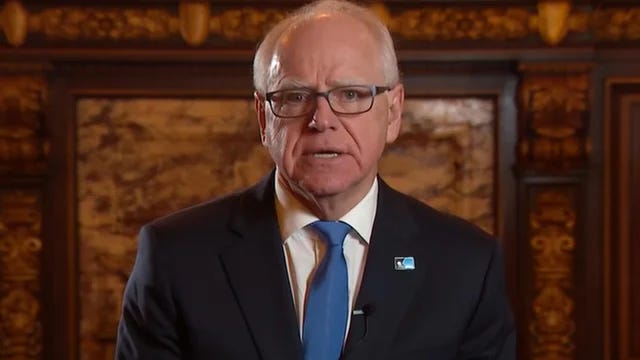
Trump’s Insurrection Act gambit has provoked intense political pushback and public skepticism. Minnesota’s leaders reacted with alarm. Governor Tim Walz accused Trump of fomenting conflict for political gain and urged de escalation.
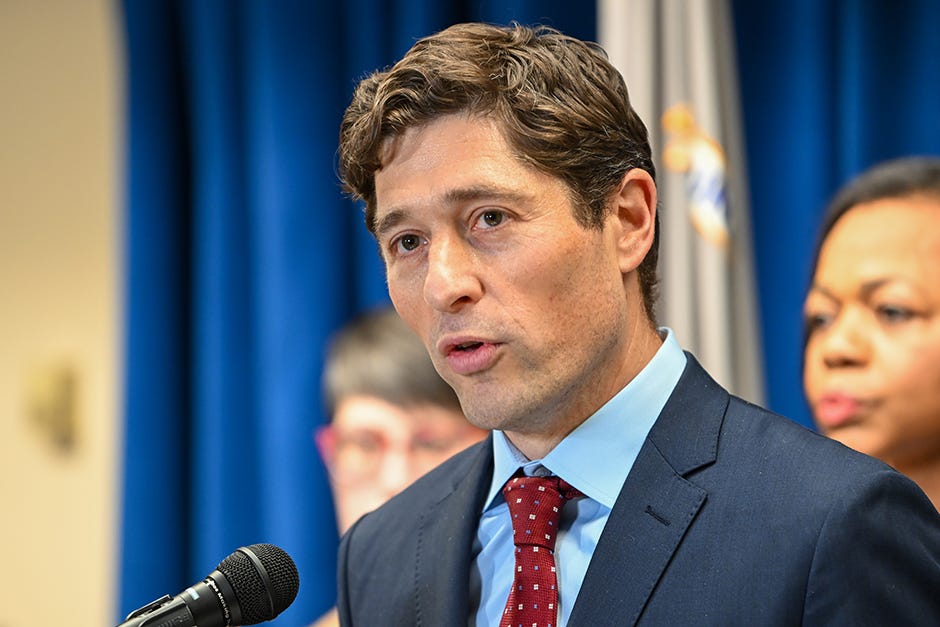
Minneapolis Mayor Jacob Frey condemned the militarized ICE operations and warned against escalation beyond the federal presence already in the city. [2] [5]
Both Walz and Frey, along with Minnesota’s congressional Democrats, have opposed any use of the Insurrection Act, arguing that federal tactics are aggravating the situation and that sending troops would gravely worsen it. [2] [5]
They also point to incendiary language from senior federal officials. Reporting describes Trump’s deputy attorney general Todd Blanche accusing Walz and Frey of “terrorism,” and vowing to stop them “by whatever means necessary.” [5]
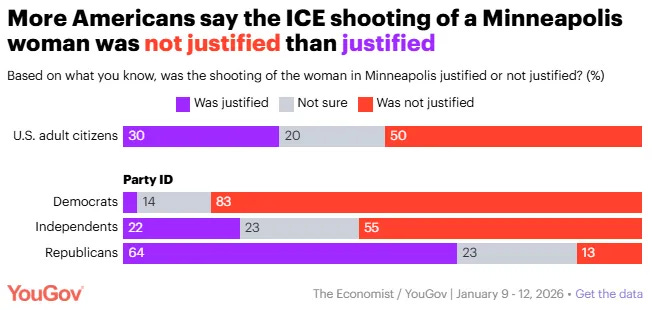
Nationally, public opinion appears uneasy with the administration’s heavy handed approach. Polling referenced in coverage suggests many Americans believe Trump has overstepped his authority and that more oppose than support deploying the military to Minneapolis. [2] [4]
The broader public reaction matters because it underscores the Lincoln comparison. Lincoln’s use of force followed an open attack and secession crisis that galvanized support in the loyal states. Trump’s potential deployment lands in a polarized country where legitimacy is contested and anxiety is already high. [11] [2]
Lincoln’s Civil War Precedent vs. Trump’s Scenario
Trump’s defenders sometimes argue that invoking federal force to quell unrest is not unprecedented, pointing to Abraham Lincoln. It is true that Lincoln used extraordinary presidential authority to respond to rebellion, but the differences in context and support are stark.
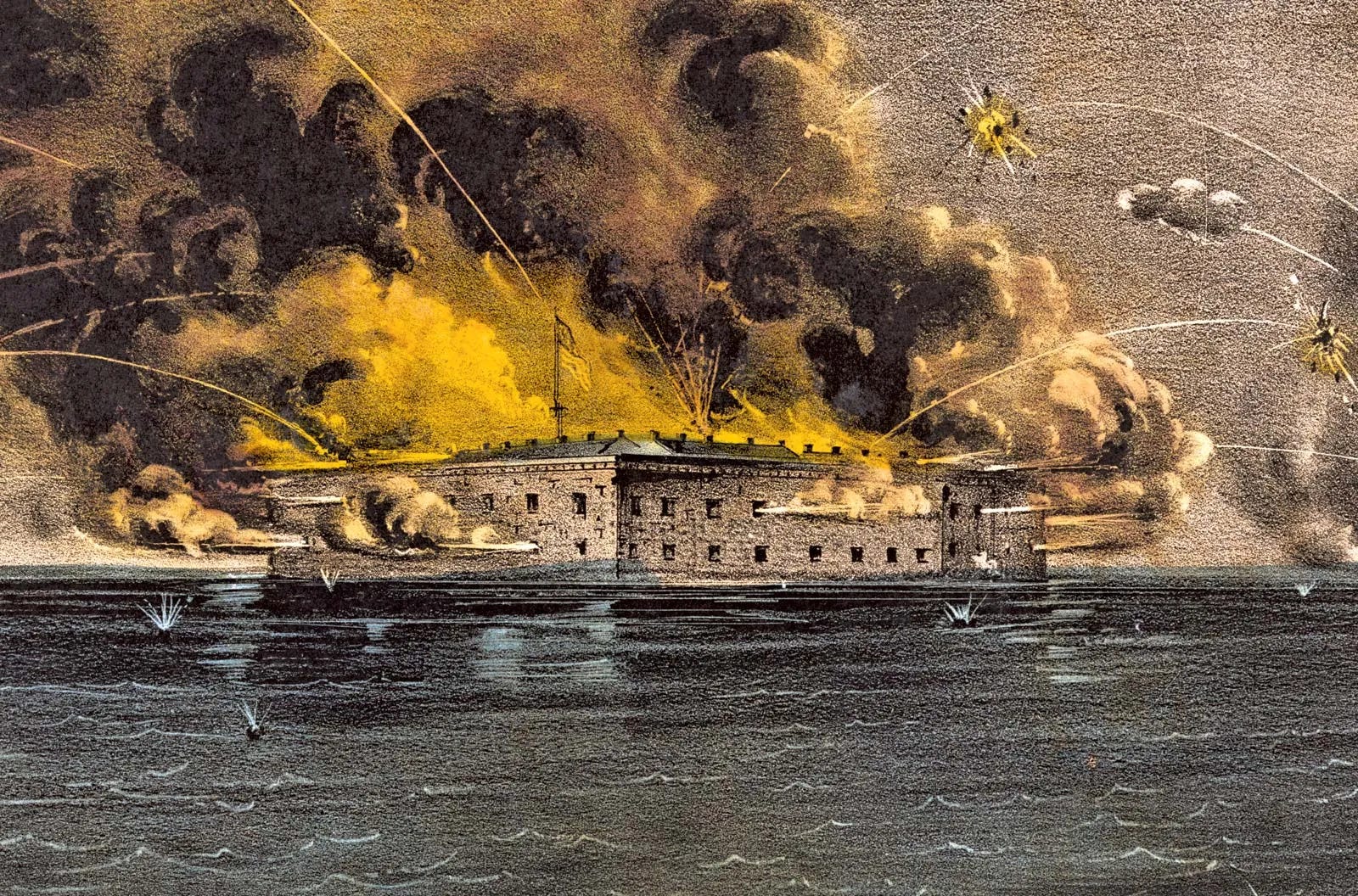
In April 1861, after Confederate forces attacked Fort Sumter and secession accelerated, Lincoln called forth 75,000 militia troops to suppress the rebellion and preserve the Union. [11]
Congress later moved to ratify and support emergency measures in the face of an existential national crisis, and the Insurrection Act framework evolved across the Civil War and Reconstruction eras. [11] [8]
The scale and stakes do not compare. Lincoln confronted organized rebellion aimed at dissolving the Union. Trump is confronting localized unrest sparked by controversial policies of his own administration. Minneapolis is not in open revolt against U.S. authority. Citizens are protesting what they see as abuses by federal agents.
That distinction matters because Lincoln invoked force to preserve constitutional order in a context of secession and war, while critics argue Trump is threatening force in a way that could undermine constitutional norms, including protest rights and state authority. [8] [9]
“Crossing the Rubicon”: Is This a Point of No Return?
The debate over Trump’s Insurrection Act threat has prompted some observers to invoke a dramatic metaphor: crossing the Rubicon.
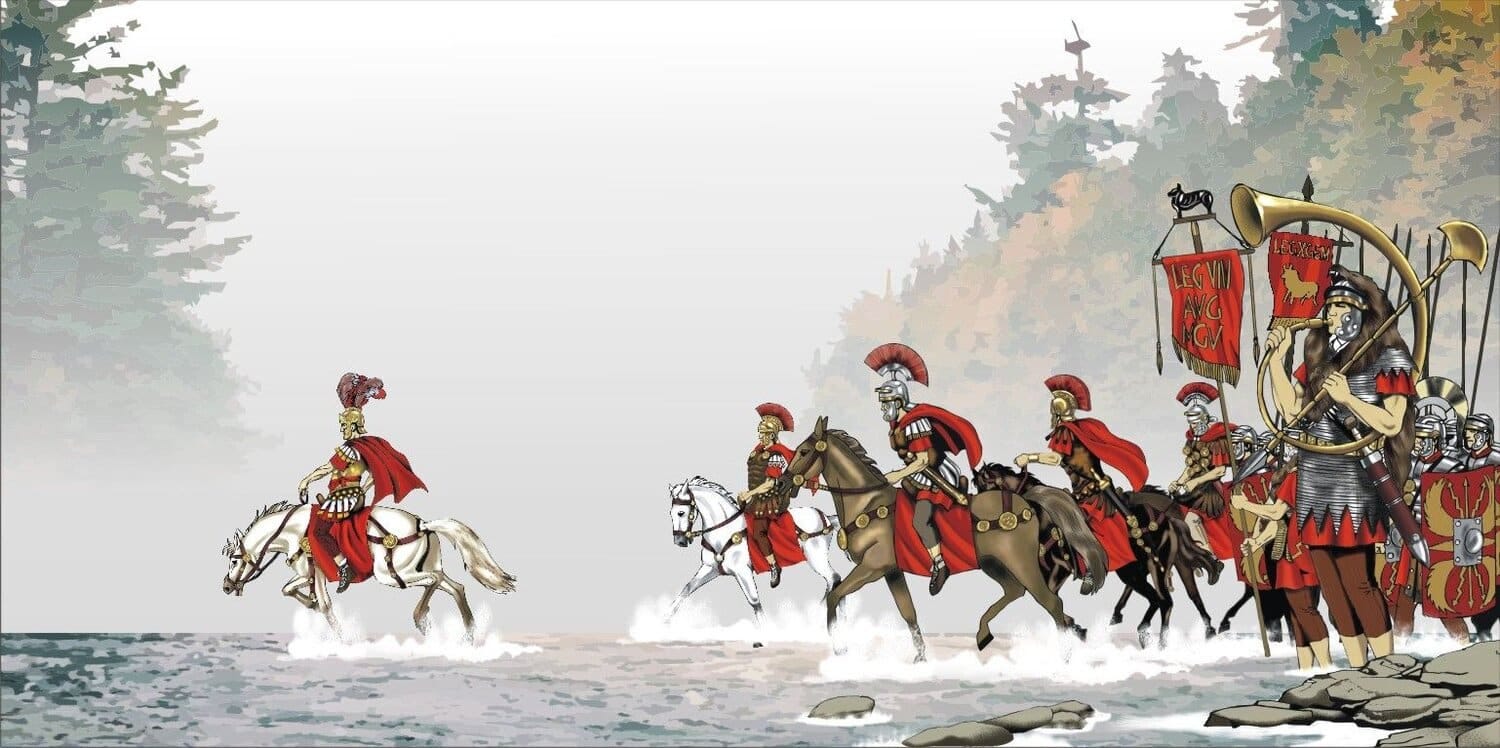
When Julius Caesar crossed the Rubicon River with his legion in 49 B.C., he violated Roman law and set in motion the end of the Roman Republic, a point of no return toward dictatorship. Commentators warn that if Trump orders the military into Minneapolis over the objections of local authorities, it could represent a Rubicon moment for American democracy. [10]
The argument is not that soldiers alone equal dictatorship. The argument is that normalizing soldiers as the answer to political conflict rewires the relationship between citizens and the state. It teaches the public that “peace and stability” means compliance. [6] [9]
The Insurrection Act was always the break glass option. Use it when the house is actually on fire. Use it when the law is truly collapsing. If you use it because you want to look strong, you do not just break glass. You break trust. You break the old agreement that the military is not a domestic audience to be summoned for applause. [9]
And maybe that is the quiet heart of it. When I hear “troops on the streets,” I do not picture a clean slogan. I picture those grainy clips, Black children walking past a wall of hatred, escorted by men with rifles and bayonets because the promise on paper needed muscle to become real.
So here we go again, like The Isley Brothers warned in their single “Here We Go Again,” and like that ache of a line, “I keep coming back to you,” because this country keeps coming back to the same temptation. Take the image that once said, we will back up freedom, and turn it into an image that says, we will back up force. That is why this feels like a line crossed. That is why this feels like the Rubicon.
I Urgently Need To Say This
I need to say this plainly. I do not thank my free subscribers enough.
You are a pillar. Every click, every restack, every comment, every share is a signal flare the algorithm actually sees. That is how this work stays visible. That is how the story does not get buried under manufactured outrage. So if you have been riding with me for free, thank you. You are not “just a reader.” You are part of the distribution.
And now I need to say this as well and there is no way to say this politely. Paid subscribers keep my lights on. Paid subscribers buy me time. And paid subscribers, whether you realize it or not, help keep this place free for the folks who cannot chip in right now. The folks on fixed incomes. The folks already spread thin because they are supporting other really good, really deserving creators. The folks who are simply trying to make rent and breathe.
I am fanatical about keeping this free. I hate pay walls. I do not want truth locked behind a velvet rope.
Your paid support gives me the hours to read the filings, track the lies, connect the dots, and write like somebody’s freedom depends on clarity. I am working day and night for you, not for an editor in chief trying to stay in the good graces of a board trying to stay in the good graces of some billionaire. I shine the light on billionaire assholes. I do not write for them. I sure do not beg them to see me by courting sponsors.
I work for YOU.
If this essay helped you name what you already felt some kinda way about, consider going paid here:
Either way, keep showing up. Keep the conversation alive. Do not let them steal the meaning of protection and call it “order.”
Sources
https://www.reuters.com/world/us/trump-threatens-use-insurrection-act-minnesota-2026-01-15/
https://www.reuters.com/world/us/trump-keeps-bringing-up-insurrection-act-what-is-it-2025-10-07/

My fear is that Trump will invoke the Insurrection Act soon. After that, all bets are off. I think that we may see massacres of protesters by ICE or other corrupt agencies. God forbid it be the National Guard. Maybe that will finally really wake people up.
Xavier, ICE’s shooting two unarmed civilians is not going to suffice to be termed an insurrection. Any attempt by Trump to move in that direction will be met in court. False flags will not stand either.