

Friday, July 24, 2026
Yes it’s so damn reliable you forget how good it is. Like COOL AC, baby.
New reporting says a credible Iranian-proxy threat prompted Trump’s July 8 plane switch, three departments narrowed Title VI enforcement, Howard sent 502 enrollment-loss notices, and Haitian caregivers face a Monday work-authorization deadline.
Note to Readers
This Reader’s Cut is the edited written record of the completed Friday Blackout audio and the full reporting ledger behind it. The lead changed while the Brief was being built: President Trump moved from threatening a massive attack on Iran toward talking about negotiations, while the military said it had disabled another merchant vessel.
The recording made the day’s command plain: watch the distance between the public explanation and the operational decision. This edition keeps that argument, restores the legal distinctions and citations, and carries the full wire beyond the stories that received the most airtime. You lose nothing essential by skipping playback.
Today’s Charge
Today’s charge is to watch the distance between the public explanation and the operational decision. Friday left the names of several protections in place while changing the instruments underneath them. Title VI survived as three departments narrowed what their rules will treat as a violation. Emergency money remained available while election policy appeared inside the conditions. Howard’s acceptance letters survived while 502 student accounts were moved out of enrollment. Trump spoke about talks while force kept moving at sea. The loud question was whether he would order a larger strike. The buried question was how much power had already moved before the people carrying it received a straight answer.
Five Things That Matter Today
Today: Trump met with senior advisers about further action against Iran, then said talks were underway and suggested the massive attack he had threatened might be unnecessary. The U.S. military separately said it fired on and disabled the merchant vessel Lavine after it tried to breach the blockade of Iranian ports. [1][2]
Today: Education, Health and Human Services, and Defense rules took effect removing disparate-impact liability from their Title VI regulations. Intentional discrimination remains prohibited, while a severe and unjustified racial disparity is no longer enough by itself to establish liability under those agency rules. [3][4][5]
Overnight: New U.S. tariffs took effect on goods from 60 trading partners under Section 301 of the Trade Act. The duties are 10 or 12.5 percent, or bring combined rates to one of those levels, and the administration says they answer failures to block forced-labor goods. [6]
Earlier this week: Howard University sent enrollment-loss notices to 502 incoming students whose accounts did not show payment, a payment arrangement, or reported aid by the deadline. Howard acknowledged that pending aid may have affected some students and began reviewing disputed cases. [7][8]
Today: Corey Ruiz’s family and civil-rights attorney Ben Crump called for charges and body cameras after a Madison police officer killed Ruiz on Wednesday. Synchronized video shows a knife in one frame and apparent Taser deployments, but it does not establish whether the knife remained in Ruiz’s hand at the instant of gunfire. [9][10]
Restack This Brief
Restack this Brief, forward it, or send it to one person who keeps hearing that the protection still exists. Friday’s machinery depended on that sentence being technically true while the usable instrument changed: Title VI stayed on the books, emergency money kept its name, an HBCU acceptance remained real, and Congress kept its war power on paper. Circulation forces the next question into the room: what can each protection still do for the person standing underneath it?
Paid XVOA subscriptions are the dependable base for keeping this wire public, and current paid readers make the verification possible. For anyone avoiding another recurring charge, Buy Me a Coffee remains the flexible direct-support lane.
The Hierarchy Audit
The Iran decision took the largest stage Friday. The White House supplied the threat, the meeting, the negotiating language and the phrase “locked and loaded.” The military supplied another damaged vessel. Cable news could turn the whole thing into a menu of escalation options while the constitutional authority, civilian exposure, sailors in threatened waters and military families slipped toward the edges.
The buried stories moved through quieter instruments. A Howard student saw a portal change before the university finished reviewing whether aid had posted. A Haitian caregiver could be essential to a nursing home on Friday and face the loss of TPS-based work authorization after Monday. Black Creek Freedmen descendants had a tribal-court victory and still lacked the citizenship cards that make voting and other rights usable. Virginia voters were being asked whether an old marriage ban should remain stored inside their constitution.
That allocation of attention is part of the machinery because war announces itself through aircraft, explosions and presidential remarks, while administrative harm arrives through an account balance, a database match, an employment document or a rule describing what evidence the government will accept. A headline records what an institution said, while the instrument reveals what it can actually do to somebody.
Top Breaking National Stories
1. Trump says larger Iran strike may be unnecessary as U.S. military reports another vessel disabled
Today: Trump met with national-security advisers while considering whether to widen the campaign against Iran. Later, he told reporters that Washington and Tehran were talking, said Iran appeared more serious, and suggested the massive attack he had threatened might not be necessary. In the same appearance, he said the military was “locked and loaded.” No final decision on a wider strike had been announced by Friday evening. [1]
The military track continued through that political uncertainty. U.S. Central Command said American forces fired into the engine room of the Lavine after the vessel repeatedly ignored warnings and tried to breach the blockade of Iranian ports. That is the military’s account, and every operational detail has not been independently verified. In the Blackout audio, Ian Bremmer described three paths he said he was hearing from people around the White House: continue the present campaign, step back while Gulf states carry negotiations, or intensify attacks with bunker-busters and strikes on infrastructure. His comments were attributed analysis recorded before Trump’s later remarks, not an announced White House options paper. [2][11]
Why it matters: The choice may still be open inside the White House, but the force around that choice is already moving. When military facts are established while the political objective keeps changing shape, Congress, civilians, sailors and military families can disappear into a discussion framed only as levels of pressure.
2. New reporting links Trump’s July 8 plane switch to an Iranian-proxy threat
Today: CBS News reported that U.S. officials considered a plot by Iran and allied proxy groups to fire a missile at the president’s aircraft credible enough to change Trump’s departure from the NATO summit in Ankara. He had arrived aboard the newly renovated Boeing 747 donated by Qatar, left Turkey on the older Air Force One, flew to RAF Mildenhall in Britain, and then changed back to the newer plane for the flight home. Officials said the reported threat was directed at the president and his aircraft, rather than uniquely at the Qatari-donated jet. [12][13]
At the time, Trump said he wanted to use the older plane “for old time’s sake” and let service members see the newer one. The older fleet has defensive capabilities whose precise equivalents aboard the newer aircraft remain unclear. I spent enough years in public safety to understand why officials may conceal a live protection move while they are making it. Timing and misdirection can keep somebody alive. Once the immediate danger passes, however, nostalgia cannot become the permanent public record if a credible threat drove the decision. One story sounded ceremonial. The security machinery behaved as if the risk were real.
Why it matters: Operational security can justify temporary silence without creating a permanent license for a false public history. The country can protect tactics in real time and still demand an honest account afterward, especially when presidential travel, aircraft readiness and an active war meet inside the same decision.
3. Three departments narrow Title VI enforcement by removing disparate-impact liability
Today: Final rules from Education, Health and Human Services, and Defense took effect removing disparate-impact liability from their Title VI regulations. Title VI still prohibits intentional discrimination in federally assisted programs. Statistical disparities may still contribute to evidence of intent, and other federal or state protections may apply, but those departments will no longer impose Title VI liability on a facially neutral policy for an unjustified discriminatory effect alone. [3][4][5]
The change concerns how a pattern becomes a civil-rights case. A hospital can use one administrative rule for every patient and still shut one community out at a much higher rate. A school discipline policy can use the same language for every student and still produce a severe racial disparity. Disparate-impact enforcement did not make every numerical difference an automatic violation; it let the pattern trigger questions about purpose, necessity and less harmful alternatives. The administration says effects-based enforcement extended beyond the statute and pressured institutions toward racial balancing. Civil-rights advocates answer that systemic discrimination rarely arrives with a signed confession.
Why it matters: Sometimes the outcome is the first instrument telling the government where to look, and disparity data can still support an investigation or help prove intent. Requiring proof of intent before those rules can impose liability places more weight on emails, witnesses and admissions that institutions inclined to discriminate are least likely to provide, while communities continue carrying the pattern.
4. Twenty-five states and D.C. sue DHS over election conditions attached to emergency grants
Yesterday: Twenty-five states and the District of Columbia sued over conditions attached to 20 percent of their 2026 Homeland Security Grant Program awards. The government requires acceptable plans for hand-marked paper ballots, manual audits of at least 5 percent of ballots, reconciliation of voters and vote totals, citizenship checks through the SAVE system, and citizenship verification for election workers. The plaintiff coalition says its states were allocated more than $740 million through the program, placing at least $148 million at risk. No court has ruled on the merits. [14]
Paper records, audits, accurate rolls and secure election workforces can serve legitimate purposes. The lawsuit asks whether Homeland Security can make states purchase its election policy with money Congress supplied for emergency preparedness. It also raises the risk that a middle name, old address, delayed citizenship update or clerical error could force an eligible voter to prove that the government’s information is wrong.
Why it matters: The grant is still called public-safety money, but election administration is traveling inside it. When one federal department can withhold emergency funds until states accept rules from another policy arena, the condition becomes an instrument for moving power without passing a new election law.
5. U.S. imposes forced-labor tariffs on goods from 60 trading partners
Overnight: At 12:01 Friday morning, the United States imposed duties of 10 or 12.5 percent on goods from 60 trading partners, or raised combined rates to one of those levels. Those economies supply 99.4 percent of American imports, but extensive exemptions mean that figure does not describe the share of import value actually taxed. Oil and gas, fertilizer inputs, selected foods, medicines, aircraft products, critical minerals and hundreds of other products are excluded. [6]
The administration says the covered governments failed to impose or effectively enforce bans on goods made with forced labor. Several trading partners dispute the findings. Forced labor is a real human-rights abuse, but a countrywide tariff schedule does not establish that every covered shipment came through an abusive supply chain. Section 301 expressly authorizes duties and has a different legal history from the emergency statute the Supreme Court rejected for earlier tariffs. Two small businesses filed a same-day challenge to this near-global use of Section 301, and no court has ruled on that claim. [15]
Why it matters: The legal instrument changed while the household still has to watch the bill. The tariff is collected from the American importer, and some of that cost may travel through contracts, competition and retail prices long after the forced-labor rationale leaves the headline.
Stories Buried Beneath the National Headlines
6. Howard reviews cases after sending 502 incoming students enrollment-loss notices
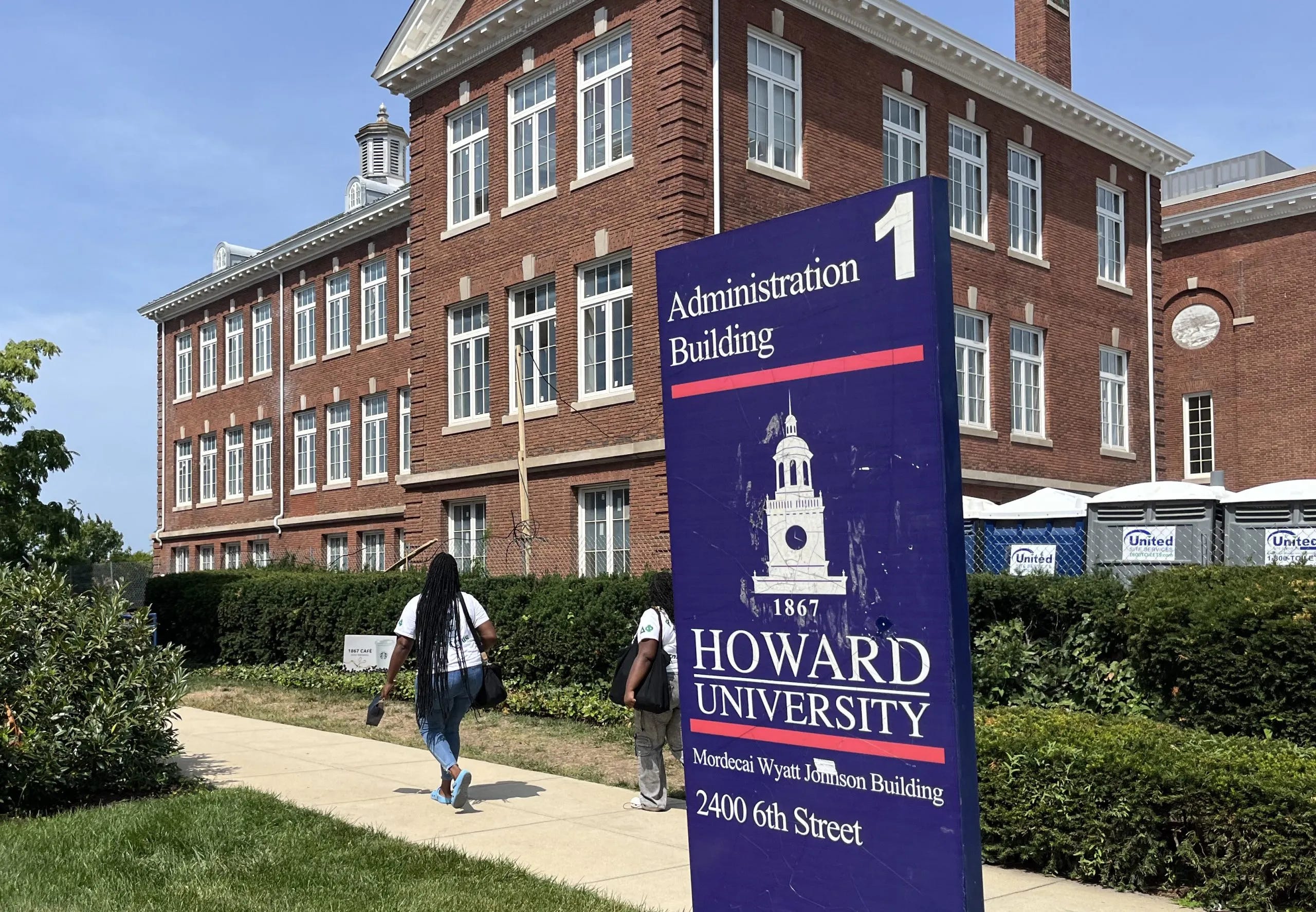
Earlier this week: Howard University sent notices to 502 first-time college students whose accounts did not reflect payment, a payment arrangement, or reported scholarship or financial-aid resources by the July 10 deadline. Howard acknowledged that pending aid may have affected some students and said it would review relevant cases. One student has publicly documented having her classes restored, but no reliable aggregate count shows how many of the 502 remain unenrolled. [7][8]
Why it matters: The notices arrived after much of the wider admissions calendar had closed and with campus arrival approaching. An acceptance letter can tell a student she belongs while a backend balance, an unposted scholarship or a delayed aid package still closes the door.
7. Corey Ruiz’s family demands charges and body cameras after Madison police killing
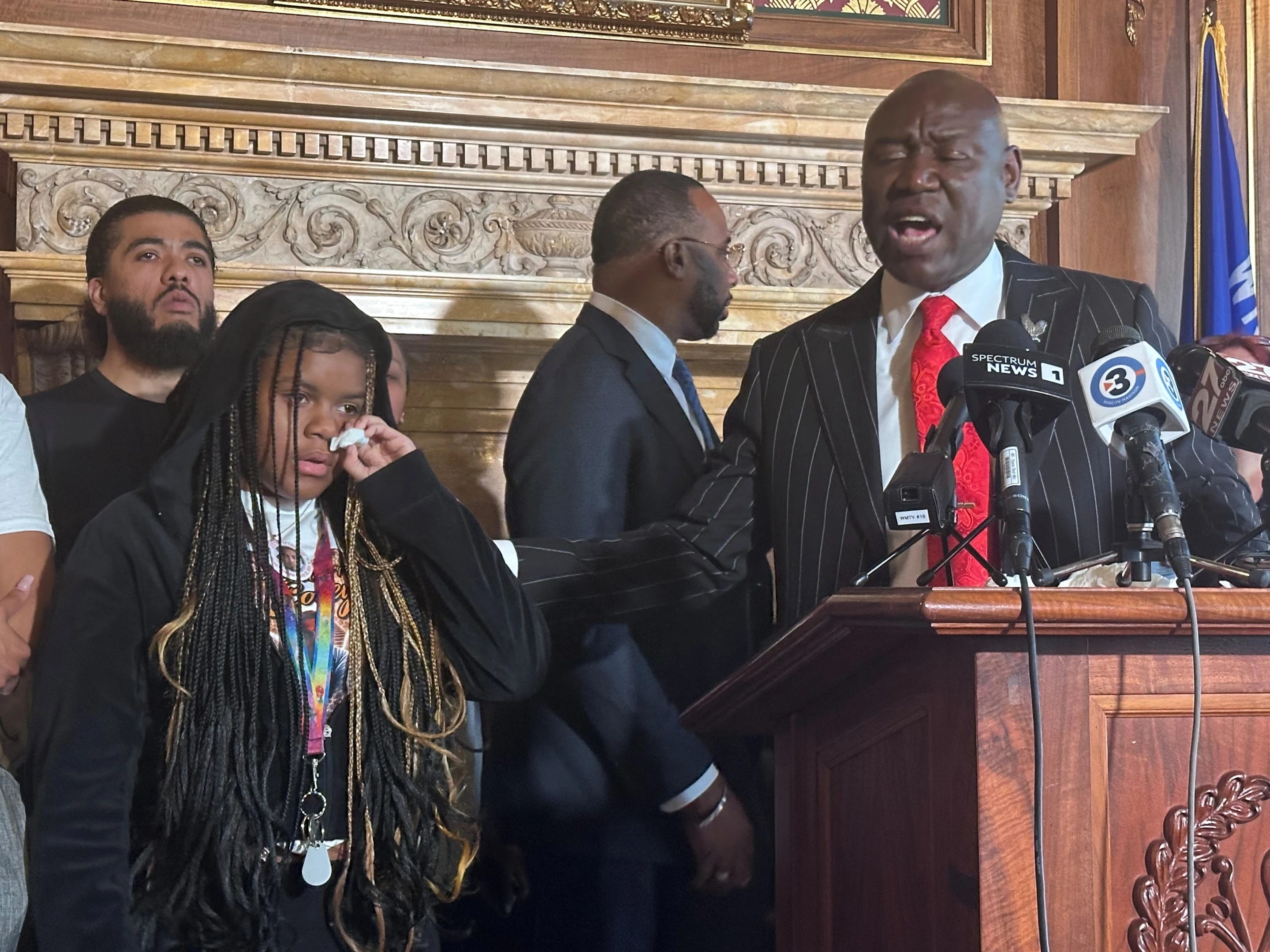
Today: Ruiz’s family and Ben Crump called for criminal charges against the officer who killed him Wednesday and demanded body cameras for Madison police. Three videos verified and synchronized by ABC News show that 28 seconds passed between Ruiz falling from a bicycle and the gunfire. A knife appears in his right hand in one frame, two officers appear to deploy Tasers, and an officer fired three shots seven seconds after the first knife warning. The available imagery does not establish whether Ruiz still held the knife when the officer fired. [9][10]
Why it matters: The Wisconsin Justice Department still has to examine the threat at the instant of gunfire, the officers’ coordination and whether the force was reasonable. Madison does not require body cameras, and most officers do not wear them, leaving strangers’ phones to carry much of the public record of a police killing. [16]
8. Haitian caregivers face a Monday deadline for TPS-based work authorization
As of today: Federal guidance tells employers to treat covered Haitian Temporary Protected Status documents and employment authorization as valid through Monday, July 27. Without another court order or a separate lawful status, workers relying solely on that authorization could lose it after Monday. A Connecticut nursing-home association identified roughly 80 affected workers among about 40 responding facilities and estimated that the statewide total could reach 100. They include nurses, nursing assistants, dietary staff, housekeepers and other caregivers. [17][18]
Why it matters: Immigration policy arrives here inside a nursing home. A worker can lose authorization, a family can lose income, an employer can lose experience, and an elderly or disabled resident can lose continuity of care through the same administrative deadline.
9. Black Creek Freedmen descendants sue for Muscogee Nation citizenship cards
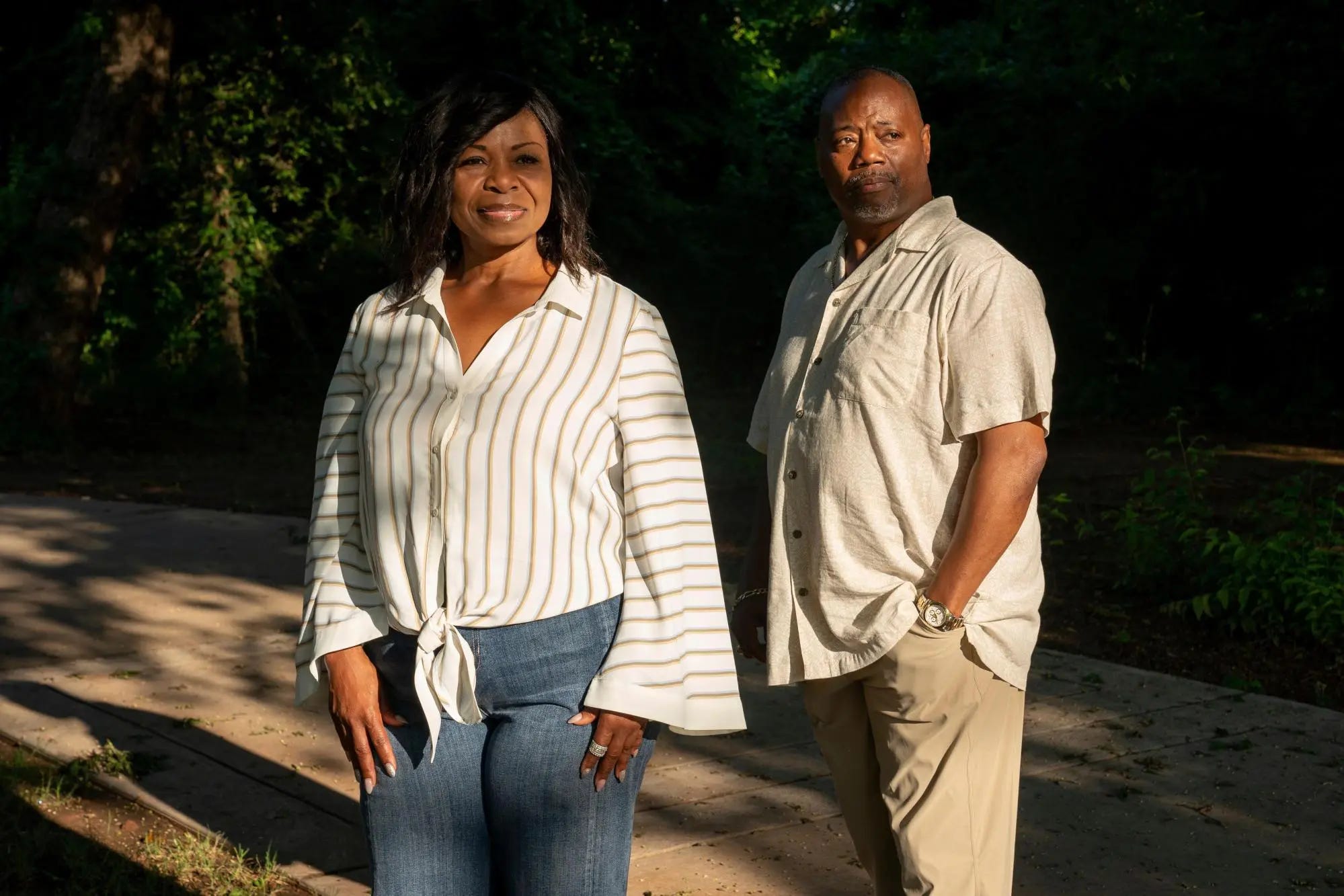
Yesterday: Rhonda K. Grayson and Jeffrey D. Kennedy filed a federal lawsuit seeking the citizenship cards they say the Muscogee Nation’s highest court awarded them in 2025. They descend from Black people once enslaved by the Nation. The 1866 treaty abolished slavery within the Nation and granted citizenship to the Freedmen, while a later tribal constitution restricted citizenship through “by blood” rolls. Tribal leaders say citizenship and constitutional administration belong inside the Nation’s institutions; the plaintiffs say leaders are withholding rights the tribal court and treaty already recognized. No federal ruling had issued by Friday. [19]
Why it matters: The case carries two histories at once: tribal sovereignty against federal intrusion and Black descendants asking a sovereign nation to honor a post-slavery citizenship promise. A court victory remains incomplete when the card required to vote and exercise other rights never arrives.
10. Virginia judge faults FDA reasoning without changing mifepristone access now
Yesterday: A federal judge in Virginia found that the Food and Drug Administration had not adequately explained parts of its 2023 rules for prescribing and dispensing mifepristone, a medication used in most U.S. abortions. The disputed requirements include special certification for prescribers and pharmacies and a patient agreement. The judge said the rules must ultimately return to FDA, but left them in force while the court addresses the remaining constitutional claims. [20]
Why it matters: A legal finding and a pharmacy-counter change are different events. The ruling may shape a later FDA review, while patients and providers remain subject to the same requirements today.
11. Earle-Sears campaigns against Virginia marriage and reproductive-rights amendments
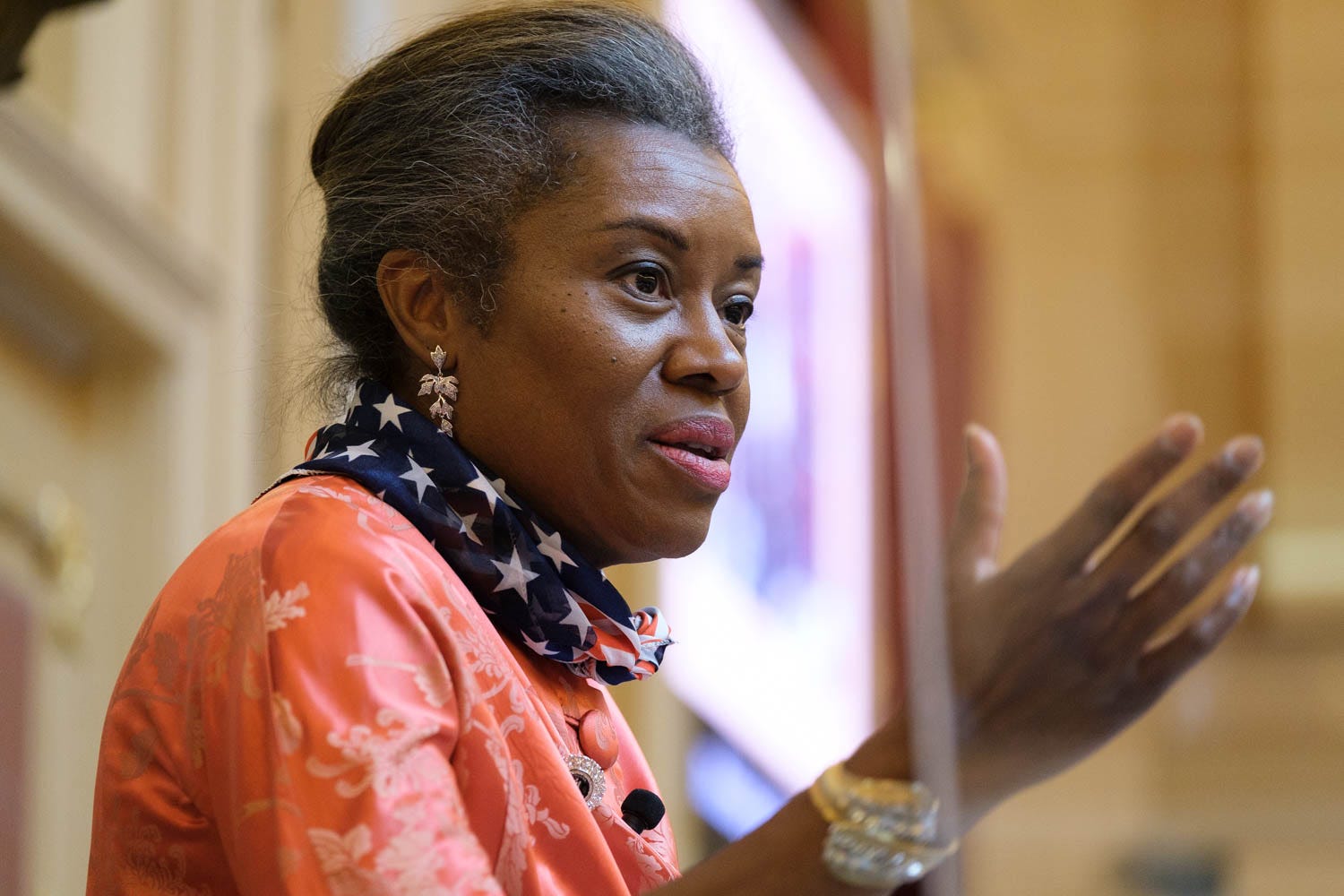
Earlier this week: Former lieutenant governor Winsome Earle-Sears announced a statewide Life and Marriage Tour urging voters to reject two constitutional amendments in November. One would remove Virginia’s unenforceable same-sex-marriage ban and bar the state from denying a marriage license based on sex, gender or race. The other would add a right to reproductive freedom with specified limits. Earle-Sears launched a political campaign, leaving voters to decide both questions. [21][22]
Why it matters: The nationwide right to same-sex marriage rests on Obergefell. The amendment would remove Virginia’s dormant constitutional ban so a future reversal of Obergefell could not reactivate it.
12. Education ends standing state monitoring for civil-rights patterns in career programs
Yesterday: The Education Department rescinded the 1979 vocational-education civil-rights guidelines. The former Methods of Administration system required 68 state education agencies to collect and analyze civil-rights data, review a yearly subset of career and technical programs, provide technical assistance, and report to the federal Office for Civil Rights. Federal officials retain discretion to open compliance reviews and directed investigations, and students may still file complaints. The standing state duty to search for patterns is gone. [23]
Why it matters: A complaint usually arrives after the class was denied, the placement went elsewhere or an inaccessible building pushed somebody out. A system that knows only what people feel safe enough to report does not know the whole truth; data can show ten people that what happened to each of them came from the same architecture.
13. Prosecutors say they will withdraw Times subpoenas while Air Force One leak inquiry continues
Yesterday: Federal prosecutors told the court they were prepared to withdraw subpoenas issued to New York Times journalists in an investigation connected to reporting about the Qatari-donated plane’s security limitations. The announced step followed questions from a federal judge about the government’s procedures. Prosecutors left open the possibility of reissuing the subpoenas, and the national-security leak investigation remains active. The record does not establish that the subpoenas were retaliation for one particular story or identify who disclosed classified information. [24]
Why it matters: The same reporting area now includes a plane switch driven by a reportedly credible threat. Press freedom and protection of genuine secrets can both matter. That is why the government’s process, and the public interest in comparing its explanations with its actions, require scrutiny.
14. House backs Iran war-powers resolution as Senate advance vote fails
Yesterday: The House adopted a nonbinding Iran war-powers concurrent resolution 214 to 208, with four Republicans joining Democrats. Hours later, a motion to discharge and advance the Senate’s binding measure failed 47 to 49. Republican Susan Collins joined Democrats in support, Democrat John Fetterman joined Republicans in opposition, and four Republican senators did not vote. The Senate result was a failed procedural motion, not a vote on final passage. Military operations continued through both proceedings. [25][26]
Why it matters: Congress possesses the power to declare war while the executive branch establishes military facts at operational speed. By the time lawmakers organize a controlling vote, service members are deployed, retaliation has begun, shipping routes have changed and the public is already paying.
15. Brent closes at $96.78 after another volatile Iran-war week
Today: Brent crude settled at $96.78 a barrel, down 3.88 percent after closing above $100 Thursday, following reports that China was pushing to restart U.S.-Iran talks. That was a real decline, but Brent still gained nearly 10 percent for the week. A sharp fall after the previous day’s jump showed a market trying to price tomorrow’s war from statements that changed within hours. [27]
Why it matters: The route to the front door runs through war-risk insurance, shipping, the barrel price, the pump, the delivery truck and the grocery aisle. Oil news becomes a second-job commute, a school-district fuel budget and another cost carried by households that never entered the White House war room.
Closing Note on Coverage Gaps
Several questions remained open as Friday closed. The White House had announced no final decision on wider Iran strikes. CENTCOM’s description of the Lavine remained the military’s account. Howard had not released a reliable aggregate showing how many of the 502 students remained unenrolled. The Ruiz investigation had not resolved what threat existed at the instant of gunfire. The mifepristone requirements remained in force, and no court had ruled on the emergency-grant or tariff challenges.
Those open facts do not weaken the day’s diagnosis. They show why the instrument matters. The public explanation for a plane switch sounded nostalgic while security officials reportedly acted on a credible threat. Three departments kept Title VI’s name while changing the evidence their regulations would treat as a violation. Congress voted while military operations continued, and a Haitian worker could remain essential on Friday while facing the loss of work authorization after Monday.
Compare the official explanation with the operational decision behind it. Ask what evidence the government will still accept, what policy is traveling inside public money, who wrote the war menu, and who will be ordered to live with it. XVOA will keep following the instrument all the way down to the people asked to carry it.
Support XVOA
Following the instrument means reading the federal rule, the court filing, the vote tally, the local investigation and the public explanation side by side before any one of them hardens into the whole story.
A paid XVOA subscription is the dependable base for that work and for keeping the Blackout Brief public. Current paid readers made this edition possible, and I do not treat that support as automatic.
If another recurring charge does not fit, Buy Me a Coffee is the flexible lane. It works for somebody giving a few dollars, a current paid subscriber adding support, or a reader making a substantial one-time contribution.
Restack and share the Brief so the official label never gets the final word.
Sources
[1] Reuters, “U.S. missiles hit Iran as path toward de-escalation remains uncertain” - supports Trump’s Friday adviser meeting, later remarks, negotiating posture and unresolved strike decision.
[2] Associated Press, “U.S. military says it fired on another merchant vessel trying to breach its blockade” - supports the attributed military account involving the Lavine.
[3] Federal Register, Education Title VI final rule - documents Education’s removal of disparate-impact liability and the July 24 effective date.
[4] Federal Register, HHS Title VI final rule - documents HHS’s corresponding regulatory change.
[5] Federal Register, Defense Title VI final rule - documents Defense’s corresponding regulatory change.
[6] Reuters, “Trump imposes forced-labor duties on 60 trading partners” - supports the tariff rates, covered economies, rationale, exemptions and import-supply share.
[7] Associated Press, “Howard sends enrollment-loss notices to 502 incoming students” - supports the notice count, deadline and student impact.
[8] Howard University, “First-Time-in-College Enrollment Updates” - supports Howard’s acknowledgment of pending aid and its case-review process.
[9] ABC News, visual analysis of the Corey Ruiz shooting - supports the verified 28-second sequence, visible knife, apparent Taser deployments and unresolved instant-of-fire question.
[10] Associated Press, “Corey Ruiz’s family attorney calls for charges” - supports the family’s Friday demands and the investigation status.
[11] MSNOW, Ian Bremmer discusses reported White House options - supports the three-option analysis and its attribution.
[12] CBS News, “Trump flew from Turkey on older Air Force One after credible threat from Iran and its proxies” - supports the reported threat, aircraft switch and defense-capability caveat.
[13] Reuters, “Trump says he will use old Air Force One for part of return trip” - supports the July 8 route and “old time’s sake” explanation.
[14] Reuters, “States challenge election conditions on Homeland Security grants” - supports the coalition, grant conditions, withholding mechanism, amounts and litigation status.
[15] Reuters, “Small businesses challenge Trump’s new forced-labor tariffs” - supports the same-day Court of International Trade challenge.
[16] Associated Press, reporting on Madison’s body-camera gap - supports the absence of officer body-camera footage and the city’s policy debate.
[17] CT Insider, “Haitian TPS deadline reaches Connecticut nursing homes” - supports the facility survey, workforce estimate and caregiver roles.
[18] U.S. Citizenship and Immigration Services, July 24 Haitian TPS employment guidance - supports continued covered work authorization through July 27.
[19] Associated Press, “Black Creek Freedmen file federal citizenship suit” - supports the lawsuit, treaty history, tribal ruling and sovereignty dispute.
[20] U.S. District Court for the Western District of Virginia, memorandum opinion in Whole Woman’s Health Alliance v. FDA - supports the legal finding, deferred remand and lack of an immediate access change.
[21] Washington Blade, “Earle-Sears launches campaign against Virginia marriage-equality amendment” - supports the Life and Marriage Tour and the two targeted amendments.
[22] Virginia Department of Elections, marriage-amendment explanation - supports the current ban’s unenforceability and what the amendment would change.
[23] Federal Register, Education rescission of vocational civil-rights guidelines - supports the July 23 effective date and the former proactive monitoring structure.
[24] Reuters, “U.S. prosecutors say they will withdraw New York Times subpoenas in Trump plane leak probe” - supports the announced plan to withdraw, continuing investigation and possibility of reissuance.
[25] U.S. House Clerk, roll call on H. Con. Res. 89 - supports the House’s 214-to-208 vote.
[26] U.S. Senate, roll call on S.J. Res. 180 - supports the 47-to-49 vote and individual senators’ positions.
[27] Reuters, “Brent falls Friday but ends the week sharply higher” - supports the closing price, daily move, weekly gain and China-talks report.
Download the corrected Reader’s Cut


