


Tuesday, July 21, 2026
Small desk note at the bottom today about the operating gap. First, the Brief.
So damn reliable you forget how good it is. Like COOL AC, baby.
Note to Readers
This Reader’s Cut is the edited written record built from today’s recording script and the full reporting ledger behind it. You do not need playback to get the complete brief. The written edition restores the citations, post-cutoff hearing developments, article-only national stories, local alerts and legal distinctions that would overload a teleprompter.
The reporting window opened at 3:27 p.m. Eastern on Sunday, July 19, and closed at 3:27 p.m. Eastern today. Older facts appear only when a fresh court order, government action, recovery update or public event moved the story inside that window.
Today’s Charge
Today’s stories move through different agencies, statutes and communities, but the machinery keeps returning to the same pressure point: government controls the gate. A work permit decides whether a protected person can earn a living. An enforcement posture helps determine whether a disabled person can remain in the community. A short application window decides who gets a chance at scarce housing. At the same time, military strikes and emergency appropriations move with a speed ordinary people rarely receive when they need relief. The burden travels down. The discretion stays near the top.
Five Things That Matter Today
Today: A federal judge in Boston imposed an administrative stay that temporarily protects tens of thousands of asylum seekers and Temporary Protected Status holders from disputed USCIS work-authorization policies. The government may continue collecting the new annual asylum fee, but USCIS cannot use nonpayment to terminate work authorization, reject applications or start removal proceedings while the stay remains in place. The judge expects to rule on a request for longer-term relief by August 5. [1] [2]
Today: Defense Secretary Pete Hegseth told Senate appropriators that current and anticipated Iran war spending through September 30 totals an estimated $37.5 billion. The hearing concerned the administration’s separate $87.6 billion emergency request, while updated reporting put the American casualty ledger at 17 service members killed and roughly 430 injured since the war began in late February. [3] [4]
Yesterday: HUD suspended the Virgin Islands Housing Finance Authority from future federal transactions while an investigation examines alleged financial mismanagement, inadequate fraud controls, false certifications and improper payments. Territorial officials say current federal funds are not at risk, and Governor Albert Bryan Jr. has requested clarification and promised an appeal. [5] [6]
Yesterday: The Justice Department published a notice saying it will stop relying on its Olmstead guidance in Title II enforcement while reconsidering the document. The ADA, Section 504, federal integration regulations, the Supreme Court’s Olmstead precedent, existing court orders and private claims remain. The federal enforcer has changed its posture. [7] [8]
Yesterday: Children’s Hospital Colorado pleaded not guilty to contempt allegations involving an injunction that covers hormone and puberty-blocker prescriptions for four transgender minors. A multiday trial is set for September. No contempt finding has been made, and the case does not concern surgeries. [9]
Restack This Brief
Restack this brief, forward it, or send it to one person who needs to see how these stories fit together. A work permit, disability-rights guidance, disaster-recovery money, a court-ordered prescription and a war supplemental look like separate files. The machinery depends on that separation. Circulation puts the whole pressure map back in view and carries the buried local harms farther than official summaries usually allow.
That reach is part of the reporting work, not an extra after the reporting ends.
Paid subscriptions are the dependable base for keeping XVOA on this daily wire.
To everybody already paying, thank you for keeping the wire open. If another recurring charge does not fit, Buy Me a Coffee is the flexible backstop for any amount that does.
The Hierarchy Audit
The Iran war received the largest stage today: a Senate hearing, cabinet officials, military leadership, live cost estimates and an emergency request measured in tens of billions. The work-permit case had a federal courtroom and national wire coverage, but the injury it interrupted still lands one employee, one rent payment and one family at a time. Olmstead enforcement, a fifty-five-hour housing window and a fight over four transgender patients traveled even farther from the center of the news cycle.
That hierarchy is not a neutral reflection of public importance. Institutions make military action easy to visualize through maps, briefings and dollar totals while administrative harm arrives as a fee notice, an application portal, a hospital employment chart or a change in enforcement language. The loud story shows force being exercised. The buried stories show people trying to prove that government owes them a usable right after the force has already reached their lives.
The proper comparison is not between unrelated harms. It is between the speed of institutional action and the delay imposed on everybody forced to challenge it. Congress can debate another war package while a worker waits for a judge, a disabled person waits for community services, a family races a housing portal, and Virgin Islanders wait for recovery projects promised after storms that struck nearly nine years ago.
Top Breaking National Stories
1. Federal judge temporarily shields asylum seekers and TPS holders from disputed USCIS work-permit policies
Today: U.S. District Judge Nathaniel Gorton granted an administrative stay in Venezuelan Association of Massachusetts v. USCIS. The order temporarily blocks USCIS from retroactively shortening previously extended employment authorization documents and from using nonpayment of a new annual asylum fee to reject applications, terminate work authorization or initiate removal proceedings. The relief covers people including asylum seekers and Temporary Protected Status holders from El Salvador, Sudan and Ukraine. [1] [2]
The government may continue collecting the fee. Gorton’s order did not require the restoration of an earlier 30-day deadline for deciding initial asylum work-permit applications, but USCIS separately reinstated that timeline on Monday after saying it had been inadvertently omitted from an April rule. The plaintiffs, including immigrant-rights organizations and labor unions, allege that the agency imposed key restrictions without required notice and comment and applied them retroactively. The court has not decided those claims, and Gorton said he expects to rule by August 5 on the request for a longer-term stay rather than on the policies’ ultimate legality. [2]
Why it matters: Work authorization is the hinge between lawful protection on paper and survival in practice. Sudanese TPS holders, in particular, are tied to a protection system shaped by war and displacement abroad and by an employer-facing federal credential here. The government does not need to enter a home to destabilize a household; it can alter the document an employer needs to see. Today’s order buys time, while also revealing how quickly an administrative change can become a lost shift, late rent and increased exposure to wage theft.
2. Pentagon projects $37.5 billion in Iran war spending through September 30 as Congress weighs more funding
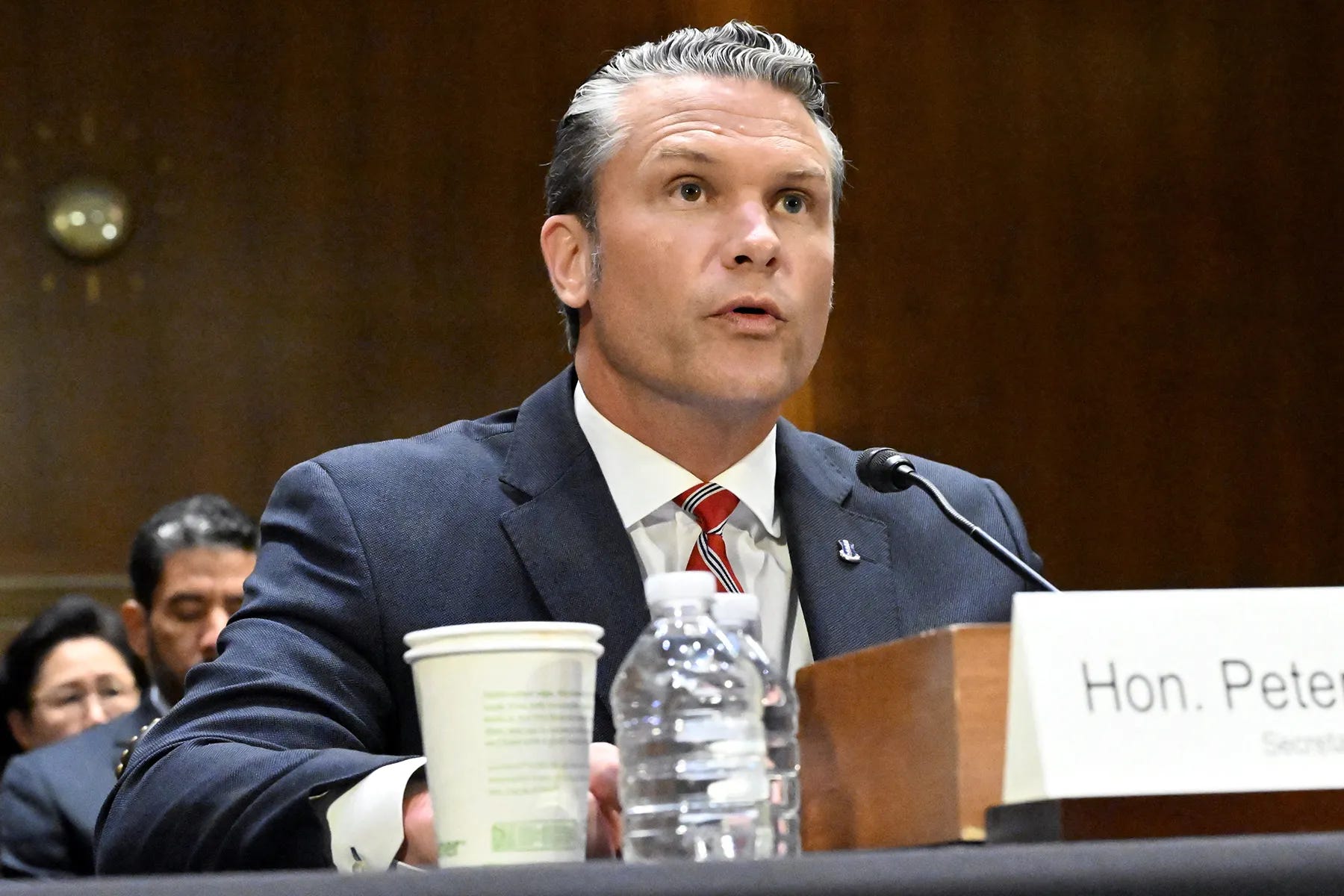
Today: Hegseth told the Senate Appropriations Committee that current and anticipated Iran war spending through September 30 totals an estimated $37.5 billion. The hearing concerned the administration’s $87.6 billion supplemental request, including about $67.1 billion for defense. A separate House Republican blueprint approaches $95 billion and combines war-related defense and intelligence spending with agriculture aid and election-law provisions. Those are related political efforts, but they are distinct vehicles, and neither number should be used as shorthand for the other. [3] [4] [10]
Last night, CENTCOM said it completed another strike round at 9 p.m. Eastern and hit Iranian command centers, maritime capabilities, missile and drone launch sites, and air defenses. Those target descriptions are military claims. Updated reporting places the American casualty ledger at 17 service members killed and roughly 430 injured since the war began in late February. The Pentagon separately said nearly 100 were injured since July 7, most with what it described as minor concussions, and that 96 percent had returned to duty. [11] [12]
Why it matters: A return-to-duty percentage cannot carry the whole meaning of a brain injury. As an Army veteran, a retired Black cop and somebody who spent twenty years on county patrol, I know an honest after-action accounting requires the full authorization chain, every injury, the mission, the continuing risk and the corrective action. Congress still needs clear answers about the operation’s legal authority, end conditions, classified spending, civilian-harm reviews and the unreleased findings concerning the deadly February strike on a girls’ school in Minab. [13]
3. Trump announces 50 percent tariffs on selected Canadian goods starting August 19
Yesterday: President Donald Trump signed three proclamations imposing an additional 50 percent duty on specified Canadian goods beginning at 12:01 a.m. Eastern on August 19. The measures rely on Section 338 of the Tariff Act of 1930 and cover categories including specified alcoholic beverages, hockey equipment and cement. Energy, potash, goods already covered by Section 232, certain fish and critical minerals are excluded. The duties were announced yesterday; they are not yet being collected. [14] [15]
Reuters estimated that the covered imports represent nearly $20 billion, or about 5.2 percent of Canadian goods entering the United States. Canadian Prime Minister Mark Carney said he would intensify talks with Trump and provincial leaders. The thirty-day runway leaves room for negotiation, exclusions or implementation changes, so firm predictions about prices and jobs would run ahead of the evidence. [16]
Why it matters: Tariffs are collected at the border from importers and can travel through distributor contracts, retail prices and employment decisions. Consumers and workers may absorb costs long after the proclamation ceremony ends. No distinct Black-community impact has yet been established, and this brief will not manufacture one. The accountability question is whether officials explain who pays, which industries receive exceptions and what happens if trade leverage turns into a household bill.
4. Appeals court vacates Mohsen Mahdawi’s release order without deciding his First Amendment claim
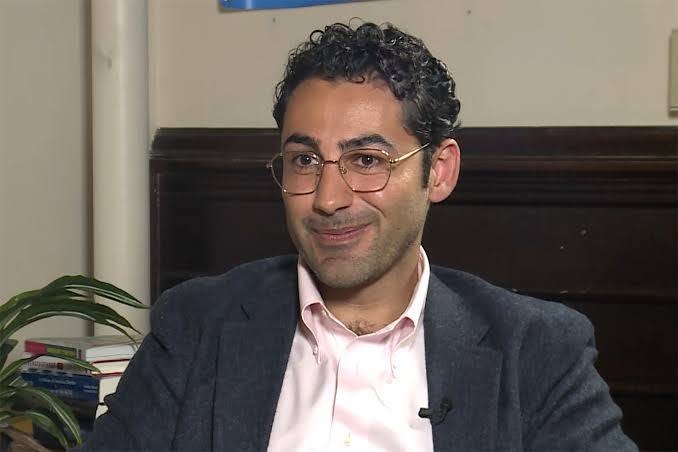
Today: The Second Circuit vacated the federal order that released Mohsen Mahdawi from immigration custody and directed the lower court to dismiss his habeas petition for lack of jurisdiction. The panel held that the Immigration and Nationality Act channels his claims through the administrative removal process and a later petition for judicial review. It did not decide whether the government detained him in retaliation for protected speech, order his immediate re-arrest or approve his deportation. [17]
Mahdawi is a lawful permanent resident and a Palestinian student activist. Reuters reported that he has not been charged with a crime. The decision changes the courthouse route available to him while leaving the constitutional merits unresolved, an important distinction in a story likely to be flattened into either victory or defeat. [18]
Why it matters: Procedure determines when a person can place a constitutional injury before an independent judge. Requiring Mahdawi to move through the same executive-branch immigration machinery he says was used to retaliate against him may delay meaningful review until after detention and removal proceedings have done their work. The opinion therefore matters beyond one activist because it defines how quickly courts can intervene when immigration power and political speech collide.
5. DOJ alleges UC San Diego’s medical school used race and proxies in admissions

Yesterday: The Justice Department issued an administrative Title VI finding alleging that UC San Diego’s medical school used racial information and proxies, including hardship groupings, to advantage Black and Hispanic applicants after the Supreme Court’s Students for Fair Admissions decision. DOJ is seeking a voluntary resolution and says it may sue if negotiations fail. No court has adjudicated a violation. [19]
UC San Diego said it is reviewing the department’s communication, applies uniform academic thresholds and remains committed to federal law. That response belongs beside the allegation because an executive-branch finding is not a judgment. The dispute will turn on what the admissions process actually measured, how any proxies functioned and whether the government can prove intentional discrimination. [20]
Why it matters: Medical-school admissions shape who becomes a physician and which communities see themselves represented inside institutions that have often failed them. The government is using Black and Hispanic applicants as the center of an enforcement theory, while the school says its academic standards were uniform. Public accountability requires the evidence, the methodology and a real adjudicative record, not a headline that treats an allegation as a completed verdict.
Stories Buried Beneath the National Headlines
6. DOJ steps away from Olmstead guidance while disability-rights law remains in force
Yesterday: The Justice Department published a notice saying its 2011 Olmstead guidance, last updated in 2020, is not independently enforceable and will no longer be used in Title II enforcement while the department reconsiders it under Loper Bright. The ADA, Section 504, integration regulations, binding Olmstead precedent, existing orders and private claims remain. The change sits in federal enforcement posture, where fewer cases or narrower theories could transfer more of the burden to disabled people, families and legal-aid organizations. [7] [8]
Why it matters: Olmstead grew from the confinement of Lois Curtis and Elaine Wilson after clinicians said community placement was appropriate. Curtis was a Black woman and artist whose fight made disability freedom part of Black freedom history. Community living still requires attendants, transportation, accessible housing, Medicaid services and an enforcer willing to act when those supports fail. [21]
7. Virgin Islands recovery failures meet a federal suspension with an uncertain reach
Yesterday: HUD suspended the Virgin Islands Housing Finance Authority from future federal transactions while its investigation continues. HUD says the territory received about $1.9 billion after Hurricanes Irma and Maria and spent roughly $570 million. Reporting found only two of 95 planned single-family rental rehabilitation projects complete, none of 329 planned single- and multifamily housing projects complete, and about 2 percent of electrical-grid recovery funding spent as of May. [5] [22]
Why it matters: Virgin Islanders have lived with documented delivery failures, and the remaining federal response must avoid making residents collateral damage. The authority may appeal, Governor Bryan is seeking the scope and duration in writing, and territorial officials say existing federal funds are not currently at risk. Accountability must reach responsible officials and contractors while preserving a path for housing and infrastructure to reach the people Congress intended to help. [6]
8. Colorado hospital faces a September contempt trial over prescriptions for transgender minors

Yesterday: Children’s Hospital Colorado pleaded not guilty to allegations that it violated an injunction covering hormone and puberty-blocker prescriptions for four transgender minors. The hospital argues that the prescribing physicians work for the University of Colorado medical school and that it cannot override their independent decisions. The families say the employment arrangement cannot become a route around the court’s order. [9]
Why it matters: No contempt finding has been made, and the case concerns prescriptions rather than surgeries. The September trial will test whether an institution can claim compliance while the structure around its clinicians leaves patients unable to receive care covered by an injunction. For the four young people involved, that organizational chart has immediate medical consequences.
9. Civil-rights groups sue for records behind the attempted child-care funding freeze
Yesterday: Civil-rights organizations filed a Freedom of Information Act lawsuit seeking HHS records about an attempted freeze of more than $10 billion in child-care and family-assistance funding across five Democratic-led states. Their March request sought internal records and communications with YouTube creator Nick Shirley, whose content advanced fraud allegations involving Somali child-care providers. The complaint says HHS had produced no responsive records by the filing date. [23]
Why it matters: The freeze was rescinded after legal challenges, so this new case concerns the decision-making trail rather than money currently being withheld. The plaintiffs describe the fraud claims as unsubstantiated and the restrictions as politically and racially motivated. The public now needs to know whether viral accusation traveled into federal policy, who validated it and why the department has resisted showing its work.
10. Black Women’s Equal Pay Day records a gap measured in paychecks and wealth
Today: It is Black Women’s Equal Pay Day. Using 2024 earnings data, Black women working full time and year-round were paid about 65 cents for every dollar paid to non-Hispanic white men. When part-time and part-year workers are included, the figure falls to about 63 cents. [24]
Why it matters: The gap compounds through rent, child care, retirement contributions, mortgage approvals and the wealth a family can pass forward. It is built from millions of decisions about pay, promotion, scheduling and which occupations receive value. Black women keep institutions running while the labor market discounts the work.
11. New Orleans gives families a fifty-five-hour window to seek project-based housing
Yesterday: The Housing Authority of New Orleans opened online pre-applications for designated project-based waiting lists at 9 a.m. Central. The window covers Riverbend Homes and Iris scattered sites, along with the Louisiana Avenue Firehouse, and closes Wednesday, July 22, at 4 p.m. Central. It is separate from the general Housing Choice Voucher list, assistance is tied to specific properties, and a pre-application does not guarantee housing. [25] [26]
Why it matters: Scarcity is being administered through a short digital window that assumes families receive the notice, have internet access and can assemble information in time. Anyone who may qualify should use HANO’s official portal before Wednesday at 4 p.m. Central. After that deadline, this item becomes a record of how narrow the opportunity was.
12. Guyana ferry death toll reaches 41 as investigators confront an unreliable manifest

Today: Guyana’s government reported 41 bodies recovered and 77 people rescued or found after the state-run MV Barima capsized. Reuters reported 179 people aboard, but the passenger record was unreliable, and search operations continued. The July 18 capsize predates this brief’s window; the criminal investigation opened July 20 and today’s recovery figures are the fresh developments. [27] [28]
Why it matters: Authorities suspended loading, dispatch and management personnel and secured wharf video as the inquiry moved forward. A manifest failure becomes an accountability failure when families cannot establish who boarded, who survived or who made the operating decisions. The counts remain fluid, and current reporting does not establish the victims’ racial identities.
13. California says state protections for emotional-support animals remain despite a narrower federal posture
Yesterday: California’s Civil Rights Department issued an alert explaining that state housing protections for emotional-support animals remain in force. HUD’s May guidance generally limits federal reasonable-cause findings to animals individually trained for disability-related work or tasks. California says it will continue accepting and investigating complaints involving untrained emotional-support animals as potential reasonable accommodations. [29]
Why it matters: The federal statutory framework has not been repealed, and service animals remain legally distinct from emotional-support animals. The practical split concerns enforcement, with a tenant potentially receiving a different response from Sacramento than from Washington. Disabled people may now need to know which agency, statute and evidentiary standard governs before challenging a pet fee, breed rule or no-pet policy.
14. Utah protests challenge monument reductions as tribal nations defend Bears Ears
Yesterday: Nearly 1,000 people reportedly joined demonstrations across Salt Lake City, Ogden, Provo, Moab and St. George opposing the July 13 reductions to Bears Ears and Grand Staircase-Escalante. The statewide actions were promoted by the Southern Utah Wilderness Alliance, and tribal representatives, including a Navajo Nation citizen who co-chairs the Bears Ears Inter-Tribal Coalition, participated. That supports saying tribal representatives joined the protests, not that every event was tribally organized. [30] [31]
Why it matters: Bears Ears holds cultural, spiritual and historical significance for tribal nations whose relationships to the land predate federal monument boundaries. The reductions could reopen large areas to extraction and other dispositions while litigation proceeds. Public-land coverage that centers acreage and presidential power without tribal sovereignty tells only part of the story. [32]
15. Fresh Ohio reporting documents crowdfunding as a survival system for LGBTQ people of color
Yesterday: The Buckeye Flame published original reporting on crowdfunding as a survival mechanism for LGBTQ Ohioans of color. The story centers Zuggie Tate, a Black transgender Cleveland organizer who had already been evicted and was struggling with food insecurity, and it includes Black queer professional voices explaining why community fundraising now fills gaps left by formal systems. The article is fresh reporting, although several circumstances and datasets inside it predate this brief’s window. [33]
Why it matters: The absence of a new Black LGBTQ court order does not mean the absence of a Black LGBTQ story. Tate’s experience shows housing and food insecurity being managed through personal networks, public vulnerability and uneven digital reach. Crowdfunding can keep somebody alive while also revealing which institutions have stopped functioning as a dependable floor.
Closing Note on Coverage Gaps
Several facts remain open tonight. The Boston order is temporary, the fee remains collectible, and August 5 concerns the request for a longer stay rather than a final merits judgment. DOJ has not explained how its Olmstead posture will affect pending investigations, future cases or settlement monitoring. HUD and Virgin Islands officials still disagree about the practical reach of the housing authority’s suspension, while Guyana’s ferry counts remain fluid and New Orleans’ housing alert expires Wednesday afternoon.
The Iran ledger also needs continued scrutiny. CENTCOM’s target descriptions remain military claims, the Pentagon’s fuller injury accounting arrived only after sustained questions, and lawmakers are still seeking the findings concerning the Minab school strike. The House’s roughly $95 billion blueprint remains separate from the administration’s $87.6 billion supplemental request. Neither the hearing nor an emergency label eliminates Congress’s duty to establish authority, objectives, end conditions and civilian harm.
The shared lesson is about the distance between a right and the machinery that makes it usable. A statute may survive while federal enforcement retreats. A recovery allocation may exist while projects remain unfinished. A protected status may remain while a work document is threatened. When government turns work, community living, housing, health care and war into permission slips, accountability has to travel back up the chain of command.
Support XVOA
Like, comment, share and restack this edition so the buried stories can travel beyond the official summaries.
Rights survive on paper only when somebody tracks who enforces them, who withdraws and who pays for the gap. This issue required following a federal court order, a Justice Department enforcement retreat, changing casualty counts, a live housing deadline and recovery money stalled between alleged local mismanagement and federal suspension. That is the desk paid subscriptions sustain: a daily record of power before fragmentation turns consequence into background noise.
Current paid subscribers made this Reader’s Cut possible. Thank you for financing the verification, context and Black historical memory that national coverage routinely leaves behind. Buy Me a Coffee remains the flexible lane for readers who do not want another recurring charge, readers who need to give less than a subscription, and paid subscribers who want to add anything from five dollars to a substantial one-time contribution.
Sources
1 Reuters, “U.S. judge blocks Trump administration from stripping immigrants of work permits”. Supports the temporary stay, affected populations, fee distinction and August 5 schedule.
2 Bloomberg Law, “Judge Blocks Policies Disrupting Immigrants’ Work Authorization”. Supports the scope of the stay and USCIS’s separate reinstatement of the 30-day processing timeline.
3 Reuters, “U.S. war in Iran has cost $37.5 billion so far, Pentagon says”. Supports the estimate, including anticipated spending through September 30, the casualty ledger and hearing update.
4 Senate Appropriations Committee, “A Review of the President’s Supplemental Funding Request of June 24, 2026”. Supports the hearing time, witnesses and administration request under review.
5 HUD, “HUD Announces Immediate Suspension of Virgin Islands Housing Finance Authority”. Supports HUD’s allegations, ongoing investigation and allocation summary.
6 Virgin Islands Consortium, “Bryan Vows Appeal of HUD’s VIHFA Suspension”. Supports the territorial response and claim that current federal funds are not at risk.
7 Federal Register, “Clarification on Department of Justice Guidance”. Supports DOJ’s non-reliance decision and planned reconsideration of the Olmstead guidance.
8 The Arc, “DOJ Opinion on Olmstead Threatens the Right of People With Disabilities to Live in the Community”. Supports the legal protections and private enforcement avenues that remain.
9 Colorado Sun, “Children’s Hospital Colorado Pleads Not Guilty to Contempt”. Supports the plea, parties’ competing arguments, treatment scope and September trial.
10 Reuters, “U.S. House Republicans face major test passing Trump priorities”. Supports the status and contents of the separate roughly $95 billion House blueprint.
11 U.S. Central Command, “U.S. Finishes Latest Strikes Against Iran”. Supports CENTCOM’s July 20 timing and target claims.
12 TIME, “Iran War Injury Toll: What the Pentagon Has Said”. Supports the recent-injury count, concussion description and return-to-duty figure.
13 Reuters, “Lawmakers demand Pentagon release findings in Iran school-strike probe”. Supports the senators’ demand and unresolved Minab investigation.
14 White House, “President Donald J. Trump Imposes Additional Tariffs on Canada”. Supports the tariff categories, legal authority and exclusions.
15 White House, “Imposing Additional Duties With Respect to Alcoholic Beverages”. Supports the August 19 effective time for the new duties.
16 Reuters, “U.S. imposes new 50% tariffs on Canadian products”. Supports the estimated trade value and diplomatic response.
17 U.S. Court of Appeals for the Second Circuit, Mahdawi v. Trump opinion. Supports the jurisdictional holding, vacatur and remand instructions.
18 Reuters, “U.S. appeals court overturns order releasing pro-Palestinian protester Mahdawi”. Supports Mahdawi’s status, the unresolved speech claim and absence of an immediate re-arrest order.
19 Justice Department, UC San Diego medical-school findings letter. Supports DOJ’s administrative allegations and requested voluntary resolution.
20 Reuters, “U.S. Justice Department says UC San Diego’s medical school favors Black, Hispanic applicants”. Supports UC San Diego’s response and the unresolved litigation posture.
21 Smithsonian American Women’s History Museum, “How Artist Lois Curtis Won Disability Rights”. Supports Curtis’s history, art and role in the Olmstead case.
22 Associated Press, “HUD suspends Virgin Islands housing authority”. Supports recovery-project completion figures, spending totals and appeal rights.
23 U.S. District Court filing, FOIA complaint concerning child-care funding restrictions. Supports the records sought, allegations attributed to plaintiffs and HHS’s alleged nonproduction.
24 AAUW, “Equal Pay Day Calendar”. Supports the July 21 observance and the two 2024 earnings ratios.
25 Housing Authority of New Orleans, official application portal. Supports the opening and closing times and named properties.
26 Housing Authority of New Orleans, “Project-Based Voucher Program”. Supports the distinction between property-tied assistance and the general voucher program.
27 Government of Guyana, “77 survivors found, 41 bodies recovered as government continues MV Barima search efforts”. Supports the July 21 official recovery figures.
28 Reuters, “Guyana ferry death toll rises to 41”. Supports the reported aboard count, manifest uncertainty and continuing search.
29 California Civil Rights Department, “Legal Alert on Protections for Emotional Support Animals in Housing”. Supports the state-federal enforcement distinction and continuing California complaint path.
30 Salt Lake Tribune, “Utahns protest Bears Ears and Grand Staircase reductions”. Supports the estimated turnout, locations and verified tribal participation.
31 Southern Utah Wilderness Alliance, statewide protest advisory. Supports the organizing role and statewide event plan.
32 Native American Rights Fund, “Bears Ears” case page. Supports the tribal nations’ litigation, sovereignty interests and land-use stakes.
33 The Buckeye Flame, “Crowdfunding has become a lifeline for LGBTQ Ohioans of color”. Supports Tate’s eviction and food-insecurity status and the broader community-fundraising analysis.


