


The video above is the evidence. This is the Reader’s Cut, edited from the full XVOA broadcast for readers who want the argument, the receipts, and the political machinery in one place.
The broadcast draws from three primary videos: Vaush’s attack on Jasmine Crockett, Angela Goss’s examination of the damage left by the Texas primary, and Clay Cane and Reecie Colbert’s discussion of Black voters, political demands, and the work James Talarico still has to do.[1][2][3] Some of the language is ugly because the language is part of the evidence. The purpose is to distinguish political criticism from racialized character assassination and examine a coalition that keeps demanding Black women’s labor while treating Black voters as property waiting to be delivered.
TLDR
Vaush is a white left-wing political streamer with a sizable audience inside the online left. His name may mean nothing to readers outside internet politics, but his influence makes his attack useful evidence of how misogynoir can be packaged as progressive political discipline.[1]
His opening joke was the confession. Vaush announced that Juneteenth had passed and his channel could return to “trashing Black women.” He then called Jasmine Crockett a bitch, demanded her professional destruction, and argued that she should be made an example of.[1]
The hostage language exposed the ownership theory. Accusing Crockett of holding the Black vote hostage assumes those votes already belong to James Talarico. Black voters belong to themselves. The nominee must persuade them, organize them, invest in them, and earn their enthusiasm.[1]
Crockett can be criticized without being treated as disposable. Publicly judging Talarico’s invitation before listening to his voicemail gave her opponents an opening. That mistake does not justify reducing her career to racial stereotypes or demanding that Democratic media destroy her life.[1][2]
Black voters sent a clear message during the primary. Talarico won statewide, but Crockett defeated him 57 percent to 42 percent across fifteen Texas counties with substantial Black voting-age populations.[2][4]
Angela Goss put the real political problem on the table. Talarico needs massive Black turnout to defeat Ken Paxton. The governing question is what the nominee has done to repair the coalition and what happens to Texas if that work fails.[2]
Clay Cane and Reecie Colbert rejected the assumption that Black voters must fall in line without negotiation. Every constituency makes demands. Black demands become “division” because the party still treats Black loyalty as unlimited credit.[3]
Reecie’s anger completed the argument. Vaush turned the humiliation of a Black woman into content. Reecie described the exhaustion of being used as a punching bag, then condemned when she finally punches back.[1][3]
The verdict: You cannot insult Black women, ignore coalition repair, erase Black political agency, and expect fear of Ken Paxton to do all the organizing. The nominee owns the repair.
Restack this piece and send it to one person who still thinks this is merely a disagreement between Jasmine Crockett and James Talarico.
If you have been reading XVOA for free and waiting for a reason to step across the line, this is the reason. Get off the fence and become a paid subscriber:
If your budget cannot carry another subscription, buy the desk a coffee instead:
Video Chapters
00:00 Intro: Vaush’s Opening Comment Was the Tell
00:18 Who Is Vaush? His Platform, Audience, and Record
04:49 The “Trashing Black Women” Joke
05:36 What the First Insult Reveals
07:45 Crockett Refuses to Campaign for Talarico
09:20 “Destroy Her Life”: Disproportionate Punishment
11:17 The Hostage Framing and the Ownership Theory
12:32 Campaign Criticism Versus Character Assassination
14:20 Petty, Catty, Bitch: Misogynoir on Display
15:52 When the Performance Swallows the Politics
16:42 Vaush Takes the Victory Lap
19:00 Nobody Solved Texas
22:00 The Money Trail: Super PAC Ads and Talarico’s Silence
28:00 Black Voters Already Sent a Message
34:00 Angela Goss Asks What Talarico Has Actually Done
38:00 Clay Cane and Reecie Colbert: Earn the Vote
43:00 “We Make Demands”: Black Political Agency Is Democracy
45:00 Jasmine Crockett Responds: “I’m Not Running”
48:00 The AIPAC Tracker Double Standard
50:30 Final Argument: Build the Coalition or Lose Texas
Who Is Vaush, and Why Does He Matter?

Vaush is a white left-wing political streamer whose show combines political debate, live reaction, ideological commentary, internet culture, gaming, and an intentionally combative performance style. He is not a household name, and many readers outside online political media have probably never heard of him. That does not make him irrelevant. Influence now moves through political subcultures, where a streamer can remain unknown to the general public while helping shape the language and emotional temperature of a large politically engaged audience.[1]
That audience largely understands itself as progressive, anti-fascist, and opposed to the political right. Vaush therefore offers more than an example of one man saying something offensive. He converted contempt for a Black woman into a lesson about progressive political responsibility. He believed he was protecting James Talarico, defending the Democratic coalition, and warning viewers about Ken Paxton, which makes his rhetoric especially revealing.
The Joke Was the Confession
Vaush announced the machinery before he began the argument. With Juneteenth barely behind us, he joked that his channel could return to its “treasured pastime” of “trashing Black women.” Then he called Jasmine Crockett a “stupid bitch,” said Democratic media should be destroying her life, and argued that she should be made an example of.[1]
He described Crockett as petty, catty, childish, stupid, emotionally immature, and professionally disposable. He accused her of holding Black voters hostage because she had failed to transfer her labor and political influence to Talarico quickly enough. The joke was never an aside. It was the confession. The political dispute could have centered on Texas, but Vaush made the emotional destruction of Crockett the center instead.
Vaush believed he was disciplining an irresponsible politician. What he revealed was a political culture that still sees Black women as labor first and political actors second. Crockett was expected to lose gracefully, endorse immediately, campaign enthusiastically, deliver Black voters, absorb every insult, and smile while doing it. Her refusal to complete the entire assignment became evidence of selfishness and sabotage.
“Destroy Her Life” Was the Point
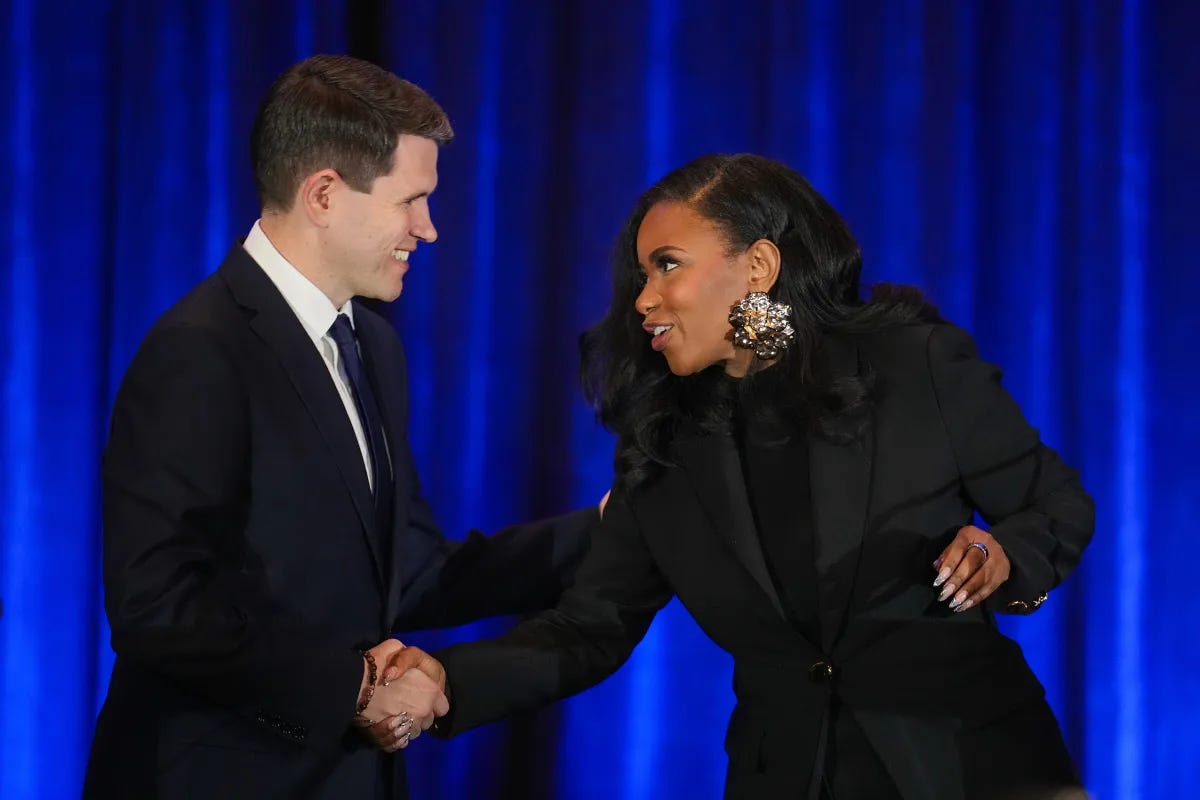
Jasmine Crockett lost the primary, expressed anger afterward, and acknowledged receiving a voicemail from Talarico that she had not listened to. She also indicated that her political energy would go toward down-ballot races rather than immediately becoming the smiling surrogate beside the man who defeated her.[1][2] Those choices deserve examination, and Crockett should have listened to the voicemail before publicly judging the outreach.
Hearing the message would have given her a stronger factual foundation for whatever decision came next. She could accept the invitation, reject it, negotiate conditions, demand a public reckoning, or continue concentrating on other races. That is political accountability. Vaush wanted punishment on another scale.
He wanted Democratic media to destroy her life, the party to exile her, and her career to become a warning to every other Black woman watching.[1] Disproportionate punishment is one of the clearest fingerprints of misogynoir. The punishment exceeds the alleged offense because the real message is larger: lose quietly, endorse immediately, deliver your voters, absorb the insult, and keep your voice pleasant.
A white male politician can sulk, disappear, delay an endorsement, nurse a grudge, and call it strategy. A Black woman displays anger and suddenly her entire career becomes a legitimate target. Vaush’s vocabulary followed the familiar script, transforming Crockett into someone loud, petty, catty, childish, trashy, stupid, and dangerous. Criticism asks a politician to explain her choices. Misogynoir demands her destruction for making them.
Black Votes Are Not Hostages
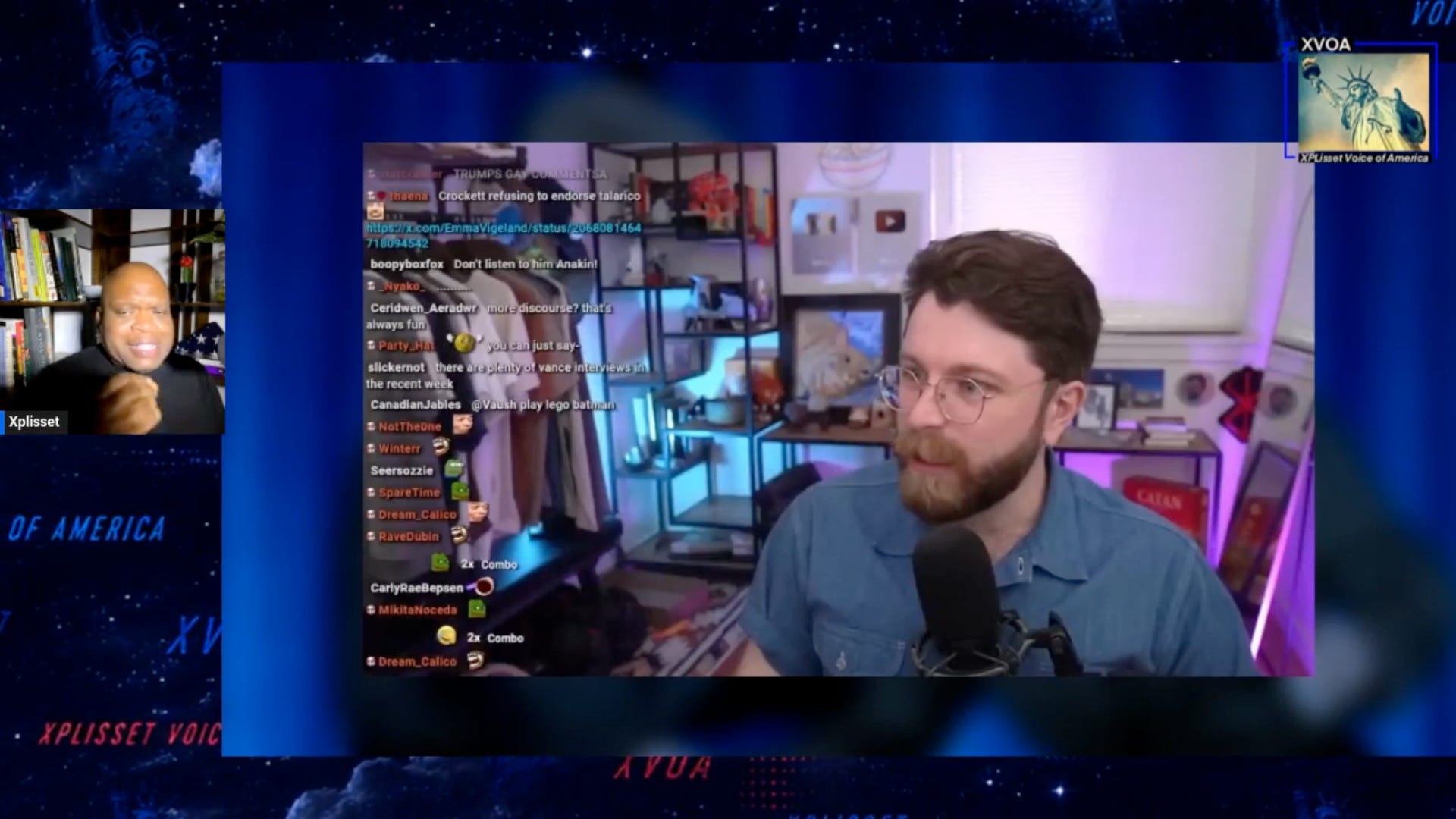
Vaush repeatedly accused Crockett of trying to “hold the Black vote hostage.”[1] That phrase reveals more than every insult he used because a hostage is something unlawfully withheld from its rightful owner. The language assumes Black votes already belong to Talarico and Crockett is standing between him and his property.
Black voters disappear inside that framing. They stop being independent political actors capable of evaluating candidates, remembering campaigns, assessing policy, responding to disrespect, and reaching conclusions without instructions from a congresswoman. Black voters belong to themselves. Crockett does not own them, Talarico does not own them, and the Democratic Party does not own them.
A nomination gives Talarico the right to make his case. It also gives him responsibility for building the coalition required to win, including organizing, spending money, creating relationships with Black media and community institutions, addressing the wounds of the primary, and showing Black Texans where they fit inside the campaign. The hostage framing erases that work and allows the nominee to remain in the background while the defeated Black woman becomes responsible for every unresolved problem.
Describing Black political agency as hostage-taking is plantation logic wearing progressive clothes. It converts a constituency into property and political demands into extortion. It also allows campaign failures to be blamed on a manipulative Black woman instead of the candidate responsible for building the coalition. That is how coalition failure gets laundered.
Crockett Is Accountable Without Being Disposable
A serious defense of Black women does not require pretending every decision made by a Black woman is wise. Crockett’s voicemail answer was weak. Calling an invitation an afterthought while admitting she had not listened to the message gave her opponents an easy opening, and her earlier statements supporting Democratic unity created a fair question about what changed.[1][2]
She owes the public clarity. She can explain the breakdown in outreach, the political conditions she expects, the harm she believes occurred during the primary, and the reasons she prefers down-ballot work. Accountability still has boundaries. One unanswered voicemail does not erase months of hostility, outside spending, campaign messaging, hostile commentary, or the treatment of Black voters whose preferred candidate lost.
Crockett can be wrong about the voicemail and right about the larger machinery. A flawed response does not turn a Black woman into public property. The political argument should remain proportional to the conduct. Vaush destroyed that proportion because humiliation had become the point.
The Money Trail Matters
Angela Goss moved the discussion away from Crockett’s personality and toward the machinery surrounding the primary.[2] The two campaigns entered the contest with radically different advertising power. AdImpact figures reported by The Washington Post found that Talarico benefited from approximately $22.1 million in advertising, compared with roughly $4.6 million supporting Crockett.[5]
That is almost five advertising dollars supporting Talarico for every one supporting Crockett. Money does not explain every vote, but it shapes the information environment in which voters make decisions. It determines whose message becomes familiar, whose image gets repeated, whose weaknesses become common knowledge, and whose campaign is treated as inevitable.
Goss also revisited Crockett’s allegation that a pro-Talarico Super PAC darkened her skin in campaign advertisements. Crockett described those ads as racist, while Talarico maintained that he did not control the outside group.[2] That distinction matters procedurally, but it does not resolve the political damage.
Intent answers one question. Benefit answers another. A candidate can lack direct control over an outside advertisement while recognizing that the advertisement helped him and harmed the coalition he now needs. Winning the primary does not erase the method by which the coalition was fractured.
Repair requires recognition, direct outreach, investment, policy commitments, and a willingness to reject tactics that made victory possible at somebody else’s expense. Every hour spent debating Crockett’s attitude is an hour that avoids examining the advertising ecosystem, institutional endorsements, campaign money, and voters who absorbed the message.
Black Voters Already Sent a Message
The primary settled the nomination, and it also revealed the coalition. Talarico received approximately 1.21 million votes to Crockett’s 1.07 million, building the broader statewide coalition and earning the Democratic nomination.[4] The Black vote told a different story.
Reuters examined fifteen Texas counties where at least one in five voting-age citizens identifies as Black. Crockett defeated Talarico 57 percent to 42 percent across those counties, while Talarico’s statewide victory relied heavily on white college-educated Democrats and Latino voters.[4] Black voters were not confused. They expressed a preference.
That preference reflected relationships, political style, policy, trust, and the belief that Crockett understood their place in the state and the party. Talarico won the nomination, but he did not inherit the emotional investment those voters placed in Crockett. Primary victories transfer ballot position. They do not transfer trust.
A competent campaign studies the gap. It asks why Black voters preferred Crockett, what her campaign communicated that Talarico’s campaign did not, which wounds remain open, which relationships need repair, and where campaign money is being spent. Insulting the voters answers none of those questions.
Angela Goss Refused the Easy Answer
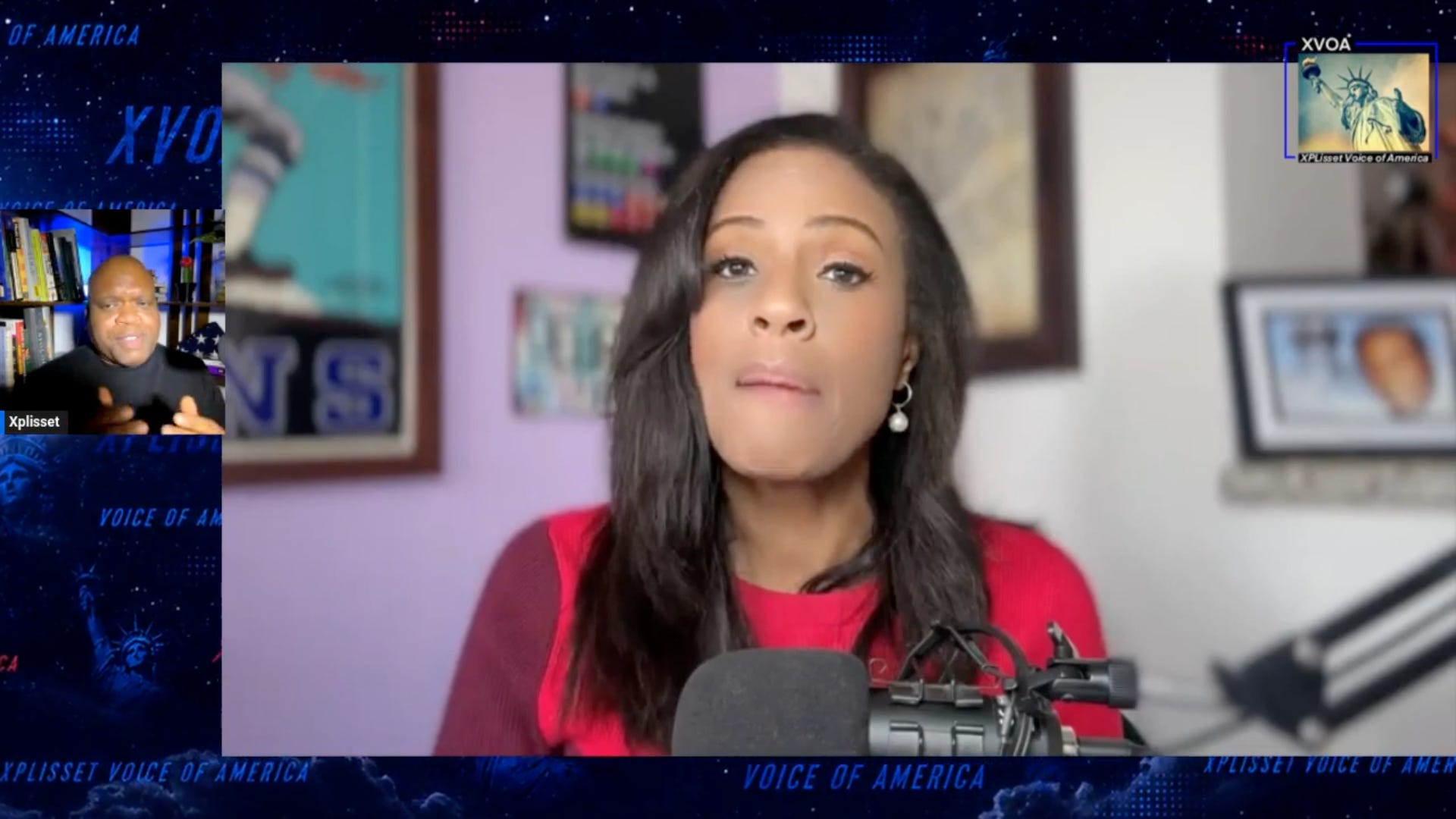
Angela Goss brought political adulthood to a conversation being consumed by anger. She acknowledged the frustration among Black voters while refusing to pretend that Ken Paxton winning the Senate seat would be harmless.[2] Her analysis held the damage of the primary and the danger of the general election in the same frame.
Talarico may need massive Black turnout in Dallas, Houston, East Texas, and other communities to defeat Paxton. The outcome could also affect control of the United States Senate.[2][4][8] Angela’s question was therefore larger than whether Crockett should campaign. She asked what Talarico had done, what his campaign had built, how he had responded to distrust, and what happens to Texas if the coalition remains broken.
Angela’s question was never “Why won’t Black voters obey?” It was “What has the nominee done, and what is the cost if he fails?” Scolding treats voters as children. Political analysis treats them as adults capable of understanding danger while still demanding respect. The choice on Election Day may become binary, but the work required to build the coalition before Election Day is far more complicated.
Talarico Has Started the Work
The record should be fair to Talarico. His campaign told Reuters that it was investing in outreach across Harris and Dallas counties, as well as rural Black communities. Talarico also said it was his responsibility to ensure Black Texans felt welcomed, represented, and proud of the campaign.[4]
At the Texas Democratic Convention, Talarico appeared before the Democratic Black Caucus, acknowledged that the party had taken Black voters for granted, and promised to work for their trust.[3][6] He recognized that there was no path to victory without Black Texans. That is an acknowledgment of the problem, but an acknowledgment is the beginning of repair.
A later Third Ward campaign stop attracted a small gathering and missed an opportunity to engage more deeply with local civic groups, churches, businesses, and nearby Texas Southern University.[7] The same report documented other outreach efforts, including Black media appearances, a Black Leaders Brunch, and visits to Prairie View A&M University. Outreach exists. The question is whether outreach has become infrastructure.
A visit is not a relationship, and a speech is not an organizing program. A promise to invest is different from showing where the money, staff, advertisements, field offices, policy commitments, and decision-making power have moved. Clay Cane added another receipt when he explained that his show had tried to secure an interview with Talarico and had not succeeded, despite its large Black audience and proven reach in Texas.[3]
Black media cannot remain an afterthought in a campaign whose path to victory runs through Black turnout.
The Winner Owns the Repair
Talarico won the nomination, which means the responsibility changed at that moment. The central question concerns what he builds between now and November. Has he met publicly and privately with Black leaders, addressed the rhetoric used against Crockett, challenged supporters who insult Black voters, and moved campaign resources toward Black media, organizers, churches, field operations, and trusted institutions?
The nominee owns those questions because the nominee needs the coalition. Fear of Ken Paxton may produce reluctant votes, but fear rarely produces the turnout operation, volunteer energy, donations, trust, and enthusiasm required to transform Texas. Paxton’s nomination created a genuine opening, and Republican strategists have warned that his candidacy could force the party to divert resources into defending a seat it normally treats as safe.[8]
The stakes make repair more urgent. They do not make Black political demands illegitimate. Talarico does not need Crockett’s submission. He needs a political agreement strong enough that Crockett and the voters who supported her can recognize themselves inside his campaign. That agreement must be earned.
Demands Are Democracy
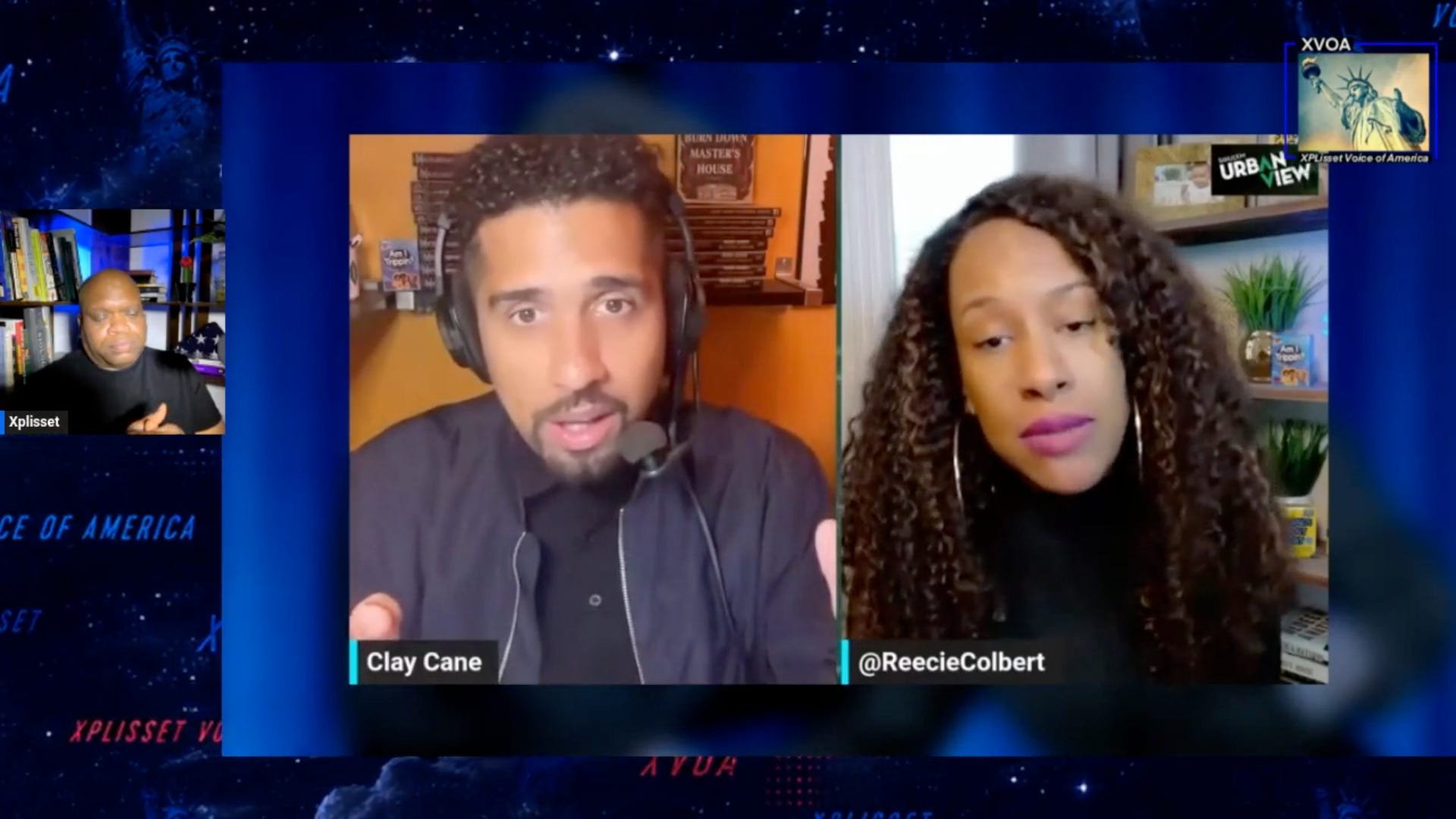
Clay Cane and Reecie Colbert supplied the clearest political correction.[3] Every constituency makes demands. Labor unions, suburban voters, veterans, rural communities, donors, activists, advocacy organizations, and industries all tell candidates what they expect in exchange for support.
Political professionals usually call that coalition building. Black people make demands and suddenly the same process gets described as division, selfishness, disloyalty, or hostage-taking. Political demands are democracy.
A constituency identifies its needs, evaluates competing offers, and uses its vote to secure representation. Removing that negotiation leaves obedience. Reecie distinguished between the conversations Black voters have among themselves about difficult electoral choices and the conversations they must have with candidates who want their support.[3]
Black voters may privately conclude that Paxton is too dangerous to risk. That does not require them to tell Talarico that disrespect carries no political cost and their votes are guaranteed anyway. A campaign exists to receive demands, answer criticism, improve its operation, and earn support. Vaush began from the assumption that Black votes were promised, while Clay and Reecie began from the assumption that Black voters possess power.
The Party Keeps Treating Black Loyalty as Unlimited Credit
Other constituencies are courted. Their concerns become strategy memos, advertisements, policy proposals, focus groups, donor meetings, and outreach plans. Black voters are too often treated as a fixed asset that will appear because the Republican alternative is worse.
When Black voters ask what they are receiving in return, the question itself becomes evidence of disunity. The Democratic coalition keeps confusing Black loyalty with unlimited credit. Black voters have repeatedly supplied the party’s most dependable margins, but that history does not erase the need for present-tense investment.
The theory surrounding Talarico’s primary campaign emphasized his ability to reach white voters, Latino voters, moderates, independents, and possible crossover Republicans.[2][3][4] After he won, some of his loudest supporters began demanding that Crockett deliver the Black constituency treated as secondary to that theory. That is the contradiction.
You chose the candidate whose theory said he could expand the map. Now prove the theory.
“I’m Not Running”
Crockett eventually entered the conversation and repeated the obvious: “I’m not running.”[2] James Talarico is. That distinction should govern the rest of the campaign.
Crockett can endorse him, appear with him, criticize him, limit her involvement, or devote her time to down-ballot candidates. Each choice carries political consequences, but none changes who owns the Senate campaign. Crockett cannot become Talarico’s entire Black outreach strategy.
Her presence may help and her absence may hurt. A serious statewide campaign still requires direct relationships with Black Texans that survive beyond one surrogate. The woman who lost has received more scrutiny than the men still running. That imbalance is part of the machinery.
The obsession with Crockett also protects Paxton. Every segment devoted to demanding more labor from the losing candidate is a segment that could be explaining Paxton’s record, the stakes of the race, and the material differences between the nominees.
The AIPAC Tracker Proved Reecie’s Point
Reecie used the recurring AIPAC tracker in political comment sections to explain what a demand looks like.[3] Some voters make campaign money connected to AIPAC a litmus test. They investigate donations, challenge candidates, flood comment sections, and withhold support when their conditions are not satisfied.
Reecie did not argue that those voters lacked the right to make that demand. She used their behavior as proof that constituencies routinely place conditions on political support. A litmus test is a demand. A funding condition is a demand. A policy requirement is a demand.
The double standard appears when Black voters make their own demands. Negotiation suddenly becomes sabotage, and skepticism becomes voter suppression. The same people who celebrate withholding support over their priority issue condemn Black voters for asking what a campaign will deliver to their communities.
Black voters possess the same democratic rights as every other constituency. They can establish conditions, examine money, demand outreach, question policy, and remember how a primary was conducted. Democracy does not become hostage-taking when Black people use it.
Reecie Was Tired of Being the Punching Bag
Reecie Colbert’s anger near the end cannot be treated as an unrelated flare-up. She was addressing people in her own audience rather than responding directly to Vaush, which makes the connection more revealing because the same machinery appeared in two different rooms.[3]
Vaush opened by turning the humiliation of a Black woman into entertainment.[1] Reecie described what it feels like to occupy the receiving end of that entertainment. She said she was tired of showing up only to become somebody’s punching bag, then connected her experience directly to Crockett’s and named the larger structure: “This whole fucking society is organized in a way that they think that Black women are supposed to be their fucking punching bags.”[3]
Black women are expected to absorb the insult, explain the issue, rescue the coalition, educate the offender, deliver the voters, keep the room comfortable, and apologize when patience runs out. The initial blow disappears, and the reaction becomes the scandal. Vaush turned the punching bag into content. Reecie explained what it feels like to be one.
Reecie said she defends Crockett because she experiences a fraction of what Crockett receives on a much larger scale. When Reecie punches back, the complaint box opens and her tone becomes the problem.[3] That pattern helps explain Crockett’s posture without excusing every choice she made.
A Black woman can spend years serving a party, raising money, defending the coalition, turning out voters, building an audience, and carrying political attacks. The moment she refuses another assignment, people ask whether she cares about democracy. The coalition cannot keep using Black women as shock absorbers and then call their refusal selfishness.
At some point, the punching bag punches back.
The Machinery Behind the Humiliation
Once the personalities are stripped away, the machinery becomes visible. Vaush benefits by converting misogynoir into entertainment, where anger creates clips, engagement, audience loyalty, and the pleasure of watching a designated enemy receive punishment.
Talarico benefits when the public conversation remains focused on Crockett’s attitude. Every hour spent debating her voicemail is an hour that avoids examining coalition repair, campaign investment, outside spending, Black media access, and the political commitments Black Texans expect.
The Democratic Party benefits when Black demands are reframed as dangerous disunity. It can continue assuming the vote while avoiding the structural work required to earn enthusiasm. Crockett absorbs the punishment, Reecie absorbs the complaints, and Black voters disappear as independent actors before reappearing as a resource somebody else is supposedly withholding.
Ken Paxton benefits most of all. Every insult makes the Democratic coalition smaller, colder, and less motivated. The people claiming to fear a Paxton victory keep feeding the fracture that could deliver one. Vaush ended his clip congratulating himself for being right about Crockett.[1]
Texas remained unsolved.
Build the Coalition or Lose Texas
Vaush’s opening joke and Reecie Colbert’s final anger form the brackets around this story. He showed us the pleasure some people take in humiliating Black women. She showed us the exhaustion produced by being expected to absorb it.
You cannot win Black voters by humiliating Black women. You cannot call a Black congresswoman a bitch, demand her destruction, describe her voters as hostages, and then announce that democracy requires their cooperation. Talarico remains the Democratic nominee against Paxton, which makes coalition repair more urgent rather than less.
Fear can produce reluctant votes. Respect produces turnout, volunteers, donations, trust, and the energy required to win. Black voters are neither emergency generators nor party property. They are a constituency with memory, interests, demands, and power.
The nominee owns the repair.
Support XVOA
This article is what XVOA means by an intelligence desk. The viral insult gets attention, but the work is tracing the machinery beneath it: the money, the electorate, the history, the psychological permission structure, the people who benefit, and the voters who get blamed when power refuses to examine itself.
If this reporting gave you language for something you already felt but had not seen explained, become a paid subscriber. Paid subscriptions are the primary support keeping this desk alive.
If your budget cannot carry another subscription, buy the desk a coffee instead.
Restack this Reader’s Cut. Forward it to one person who still believes humiliating Black women is a workable turnout strategy. Put it in the hands of the people being told that their political memory is the problem.
Sources
Primary Video Sources Used in the Broadcast
[1] The Vaush Pit, “I KNEW I WAS RIGHT TO HATE CROCKETT, WTF IS THIS.”
Primary source for Vaush’s Juneteenth opening, his insults against Jasmine Crockett, the demand that Democratic media destroy her life, the hostage framing, the disproportionate-punishment language, and the AIPAC discussion.
[2] Angela Goss Answers, “The Bad Blood Between Crockett and Talarico Just Got Worse.”
Primary source for Crockett’s “I’m not running” response, the voicemail dispute, the Super PAC advertising allegations, the primary coalition analysis, the Reuters county figures presented in the video, and the national stakes of the Texas race.
[3] The Clay Cane Show, “Is James Talarico Doing Enough To Win Over Black Voters.”
Primary source for Clay Cane and Reecie Colbert’s discussion of Black voter outreach, demands as democratic participation, Black media access, the AIPAC tracker example, the Democratic Party’s footstool problem, and Reecie’s remarks about Black women being treated as punching bags.
Reporting and Data Sources
[4] Andrew Hay and Nathan Layne, “Texas Democrat Talarico faces tough test with Black voters in Senate race,” Reuters, April 9, 2026.
Provides the primary vote totals, Reuters’s analysis of fifteen counties with substantial Black voting-age populations, Crockett’s 57-to-42 advantage in those counties, the demographic coalition behind Talarico’s victory, and reporting on his early Black-voter outreach.
[5] “Lessons from 2026’s first primary night,” The Washington Post, March 4, 2026.
Cites AdImpact figures showing approximately $22.1 million in advertising supporting Talarico and $4.6 million supporting Crockett.
[6] Jeremy Wallace, “James Talarico makes pitch to Black voters at Democratic Convention,” Houston Chronicle, June 27, 2026.
Reports Talarico’s appearance before the Democratic Black Caucus, his acknowledgment that Democrats have taken Black voters for granted, and his efforts to rebuild support after the primary.
[7] Joy Sewing, “James Talarico’s Houston campaign stop with Black voters missed a key element,” Houston Chronicle, July 7, 2026.
Examines Talarico’s Third Ward appearance, his broader outreach efforts, the need for sustained engagement with Black institutions, and the responsibility of his campaign to earn Black support.
[8] Nathan Layne and Andrew Hay, “Trump-backed candidate’s landslide in Texas gives Democrats hope in November,” Reuters, May 26, 2026.
Covers Paxton’s nomination, the national stakes of the Texas race, Republican concerns about defending the seat, and the general-election environment.


